Best Coffee Shops in the West Village: The Local Guide
Forget the ranked top-ten lists. Here's how a local actually finds the best coffee shops in the West Village, block by block, without waiting behind a stroller convoy.
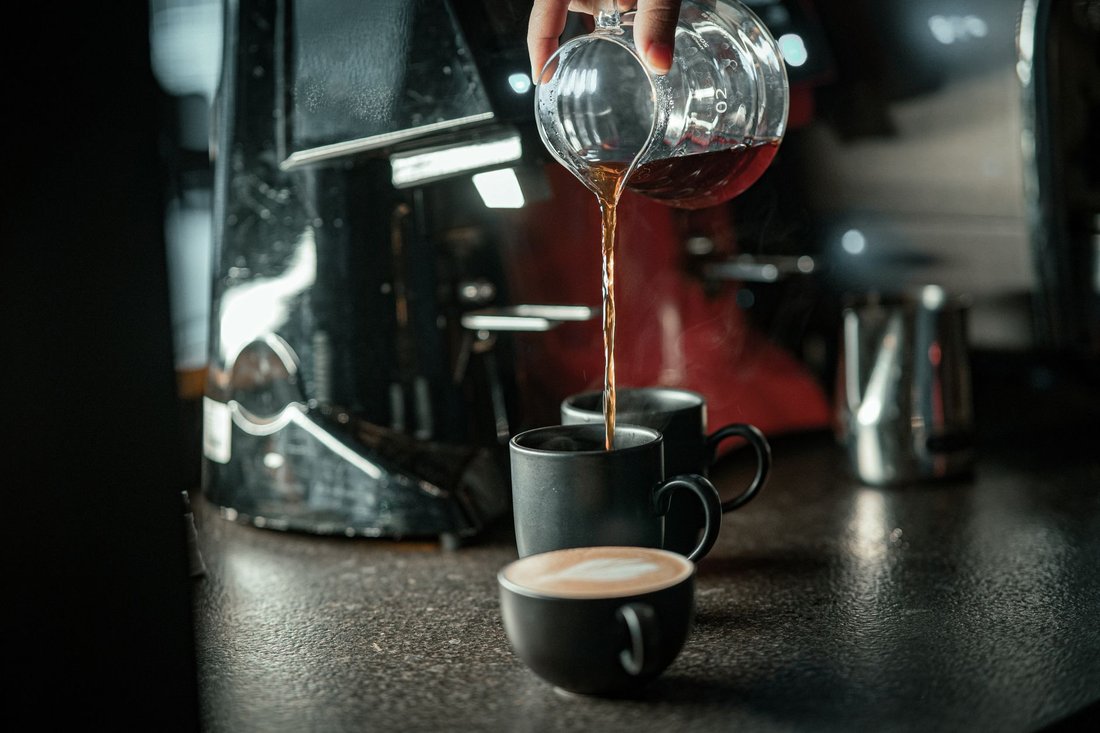
7:40 on a Tuesday and the sidewalk outside a narrow storefront on a tree-lined block is already doing its own small traffic jam. A dog walker with four leashes tangled around one wrist. A woman in scrubs checking her phone. Two guys in Carhartt jackets arguing quietly about a job site three blocks over. Nobody is talking about coffee. Everybody is drinking it, standing up, because there's nowhere to sit and nobody expects there to be.
That's the real texture of mornings here, and it's why finding the best coffee shops in the West Village takes more than a star rating. This is a neighborhood of townhouses converted into cafes with eight seats and a line that moves fast because regulars order without looking at a menu. Getting it right means knowing which blocks reward a slow morning and which ones exist strictly for the grab-and-go.
What Actually Makes the Best Coffee Shops in the West Village
Start with the building. Most West Village coffee shops operate out of ground-floor spaces built for a different century, which means low ceilings, single-file counters, and maybe one window table that everyone silently competes for. The good ones lean into it instead of fighting it. A great shop here doesn't try to be a third-wave laboratory with a twelve-item pour-over menu and a barista reciting tasting notes. It picks a lane: espresso done properly, milk steamed to an actual temperature, drip that isn't sitting on a burner from two hours ago, and a staff that can move a line without making it feel like a cattle chute.
The other tell is what's next to the register. Old-school counters here often started as bakeries or Italian specialty shops decades before espresso machines got fashionable, and some still bake in-house, which means the coffee is secondary to a case of pastries that sells out by ten. The newer third-wave bars care more about the shot pull and the milk texture, less about what's in the case. Neither approach is wrong. Knowing which one you're walking into saves you from ordering a croissant at a place that only stocks a jar of biscotti, or waiting on a flat white at a bakery that pours drip into paper cups and calls it a day.
Bleecker Street and the Tourist Math
Bleecker gets crowded, and by afternoon a chunk of that crowd is visiting rather than local. That's fine. It also means the shops on the busiest stretches optimize for volume and speed, not lingering. Morning here is efficient: order at the register, coffee's up in ninety seconds, you're back on the sidewalk. For a seat and a laptop hour, walk a block or two off the main strip, where the storefronts get smaller and the crowd thins into people who actually live upstairs.
Hudson Street's Working Rhythm
Hudson runs wider and busier with actual traffic, which changes the crowd at the counter. You get contractors, dog walkers doing their second loop of the morning, and people cutting through on their way to the PATH. Shops along here tend to move fast and skew toward the practical order: a plain coffee, a cortado, nothing over-engineered. It's a good stretch for takeout and a bad stretch to expect a hushed, ambient space to read in. Quiet-seekers should skip Hudson at 7am. Hudson at 2pm, after the rush clears, is a different story.
The Quieter Streets Off Seventh Avenue South
This is where the neighborhood earns its reputation. The blocks running west off Seventh Avenue South are narrower, quieter, more residential, and the coffee shops tucked into them behave differently. Fewer seats, but people actually use them. Baristas know the regulars' orders. There's less churn and more conversation, the kind of place where a table gets held for twenty minutes past when the coffee's finished because nobody's rushing anyone out. If you're building an afternoon wandering the Village into a coffee stop, this is the stretch to build it around.
How to Actually Get a Seat
- Go before 8am or after 10:30am. The window in between is when every stroller, dog, and laptop in a six-block radius converges at once.
- Weekday afternoons, roughly 2 to 4pm, are the calmest stretch anywhere in the neighborhood. Lunch rush is over, dinner prep hasn't started.
- If a shop has outdoor seating, take it even in cooler months. Indoor tables turn over slower and get claimed first.
- Smaller shops off the main avenues almost always have better odds of a seat than anything directly on Bleecker or Hudson.
What to Order
- At an old-school counter, order what's in the pastry case first and build the coffee order around it. These places bake early and sell out early.
- At a third-wave espresso bar, ask what's on the espresso that week before defaulting to a latte. Rotating single-origin shots are usually where the shop is putting its actual effort.
- Cortados and flat whites are the neighborhood's default order for a reason: strong enough to taste, small enough to drink standing up.
- If you've got table time, this is prime territory for a long brunch that starts with coffee and doesn't rush toward the check.
The neighborhood doesn't need a definitive ranked list, because the ranking depends entirely on what you're doing at 8am versus 2pm, and on Bleecker versus three blocks west of it. Learn the rhythm of each stretch, show up at the right hour for what you actually want, and the best coffee shops in the West Village reveal themselves without much effort. The regulars already know this. Now you do too.