Best Brunch in the West Village for 2026
How to actually get a table in the West Village this weekend, block by block, without wasting your Sunday on a waitlist.
By 10:40 on a Sunday, the host stand outside a corner spot on Hudson Street already has a laminated sheet and a line curling around the stoop next door. A woman in a barn coat writes her name down, checks her phone, and walks off toward Bleecker to kill forty minutes before her table opens up. This is the actual mechanics of brunch here: you put your name in, you wander the neighborhood, you come back. Anyone searching for the best brunch in the West Village needs to understand that reservation apps and walk-in waits are two different games, and this neighborhood plays both, block by block, depending on where you land.
The West Village is not one brunch scene. It is six or seven of them stitched together by streets that refuse to run in straight lines, which is part of the charm and most of the confusion. A visitor who wanders off the PATH train expecting a grid will end up circling the same brownstone twice. A local knows that Bleecker means one thing, Bank Street means another, and the blocks around Sheridan Square mean something else entirely once the mimosa carafes come out. This guide walks the neighborhood the way you'd actually walk it on a Saturday, area by area, so you land in the right spot for the day you're having.
Best Brunch in the West Village: How the Neighborhood Actually Works
Start with reservations, because they decide everything else. The high-demand tables along the main brunch corridors take bookings through the usual apps roughly two to four weeks out, and prime Saturday and Sunday slots between 11 and 1 disappear fast. Without that lead time, your options narrow to a very early seating, a very late one, or a walk-in strategy that treats the wait as part of the outing rather than an obstacle to it.
The smartest window most weeks is 9:30 to 10:15. Kitchens are fully staffed and the coffee is fresh off the first batch, and the crowd skews toward dog walkers and early risers rather than the group that's still finishing a bottle of prosecco. Push past 11:30 on a Sunday and you're competing with everyone else who slept in, plus every group booking a bottomless package that runs two hours and holds the table the whole time. If your group insists on a noon start, expect a 20 to 45 minute wait even with a reservation, because turnover slows once bottomless seatings lock in.
Sidewalk versus indoor is its own decision. Outdoor cafe seating is protected under the city's permanent open restaurants program, so warm-weather sidewalk tables are a fixture here from April through October, not a pandemic leftover. They're also the loudest, most exposed-to-passersby seats in the house, which some people want and others don't. For catching up with one friend where you actually want to hear them, ask for an indoor two-top. To see and be seen while a dog parade goes by, take the sidewalk instead.
The Sceney Stretch: Bleecker, Christopher, and the Blocks Around Sheridan Square
This is the part of the neighborhood built for groups, birthdays, and anyone who wants brunch to double as an event. Bleecker Street between Seventh Avenue and Christopher carries the highest concentration of sidewalk cafes with the longest waits and the loudest playlists, plus the most reliable bottomless mimosa and bloody mary programs in the area. Reservations here fill first and cancellations get snapped up within minutes, so set an alert if you have your heart set on a specific Saturday.
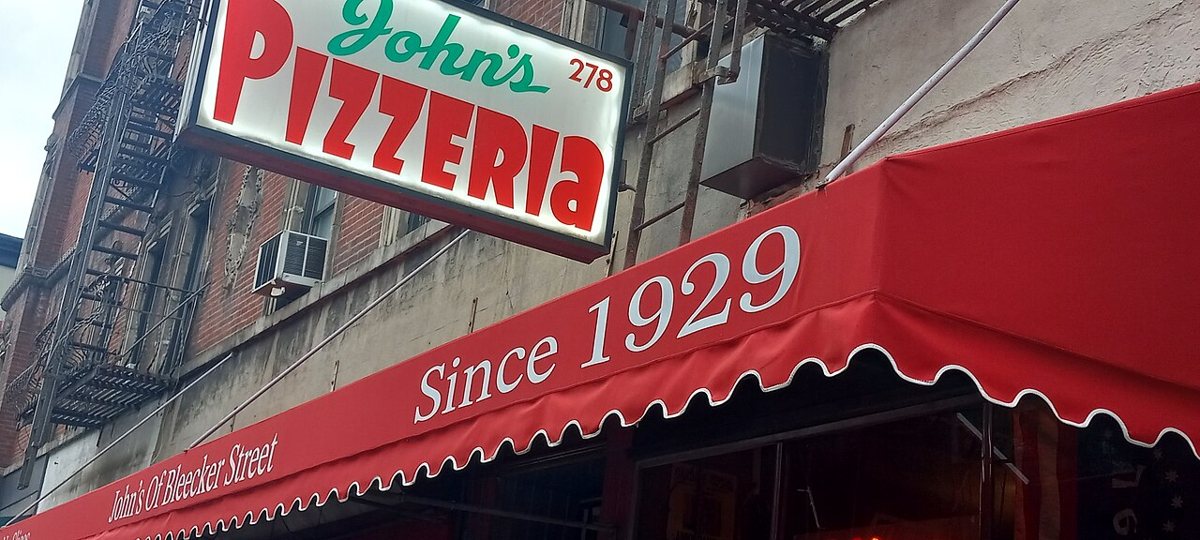

Groups of six or more should call ahead rather than rely on an app, since many of these rooms cap online bookings at four and hold larger tables for phone reservations. Expect a two-hour turn policy on weekend mornings if you're on a bottomless package, and expect the staff to enforce it once the second hour starts.
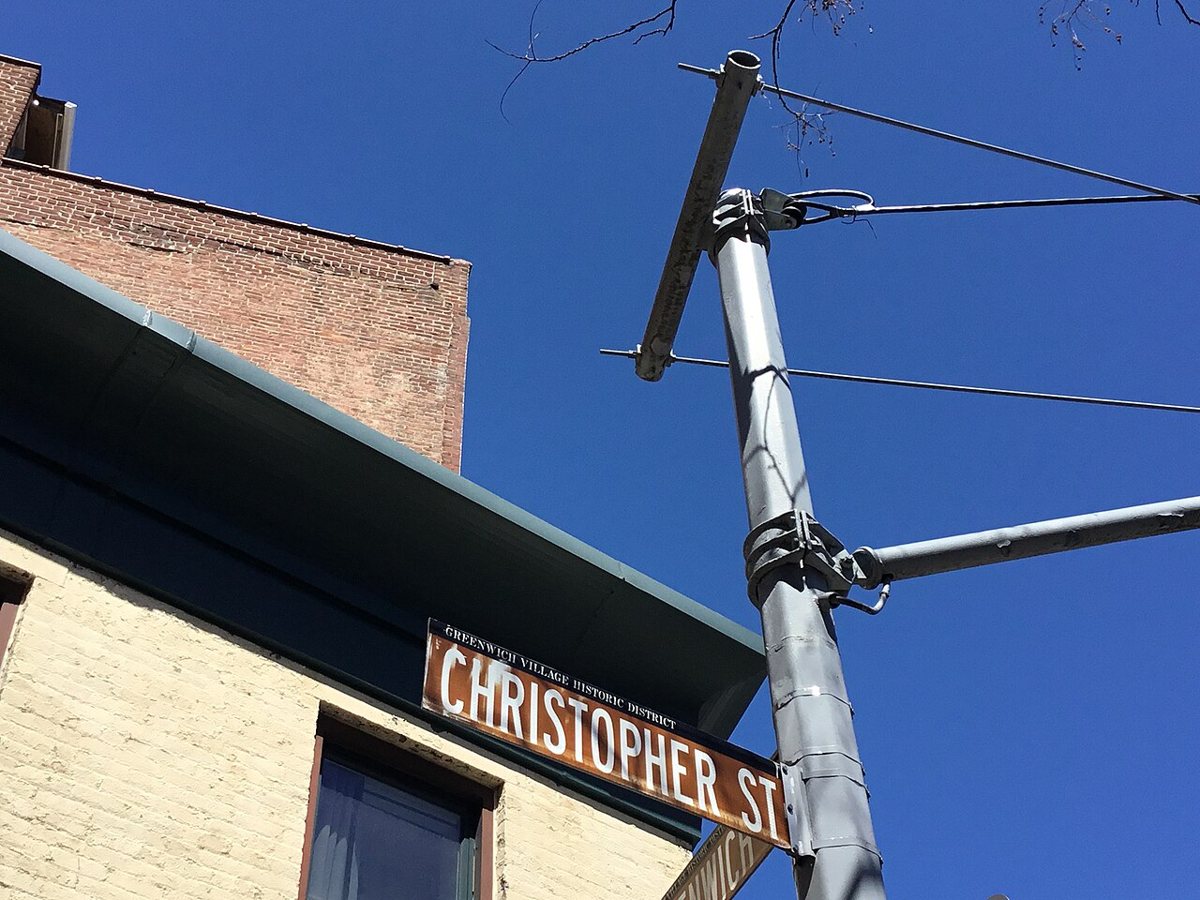
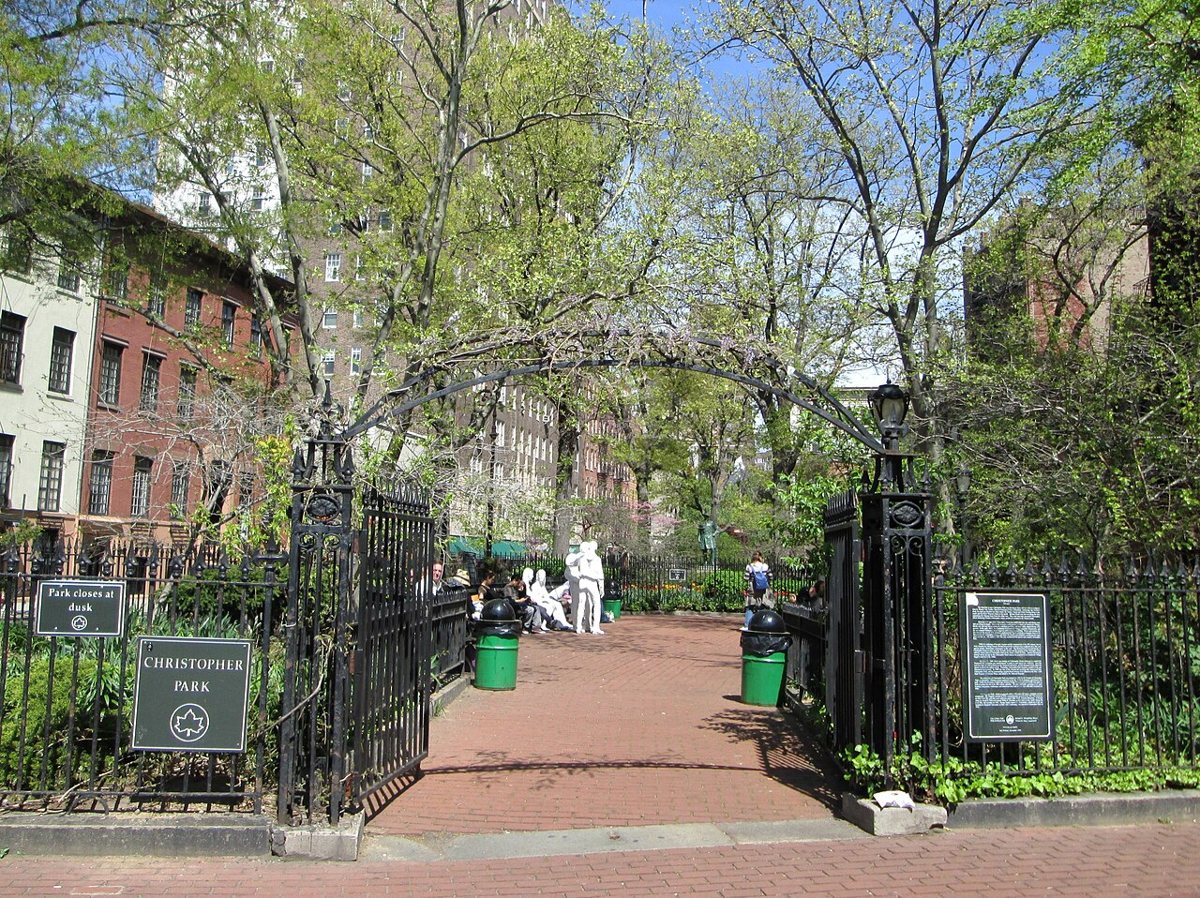
One block over, Christopher Street carries a different energy entirely. It runs east-west from Sixth Avenue toward the Hudson and threads through the heart of the neighborhood's LGBTQ history, past the block where the modern gay rights movement effectively began. Brunch along here mixes longtime residents catching up over coffee with visitors paying quiet respect to the block's history before they eat.

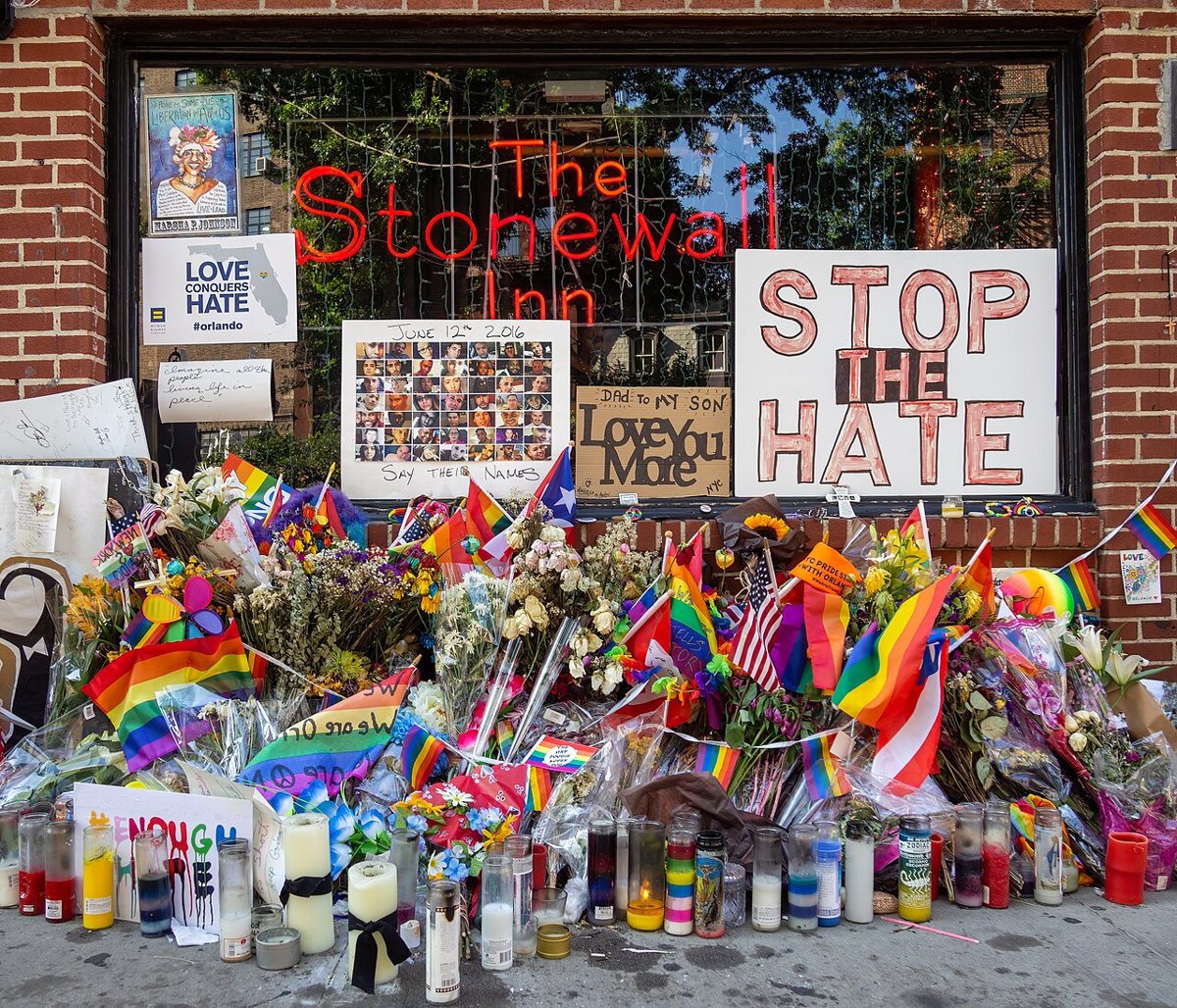
The Stonewall Inn anchors that history at the small triangular park where Christopher Street meets Grove Street and Waverly Place. It's a National Monument now, and the plaza around it stays quiet most mornings, which makes it a good five-minute stop before or after you eat, not a photo op to rush through.

Sheridan Square itself, the small park where Christopher, Grove, West Fourth, and Washington Place all converge, is the closest thing this part of the neighborhood has to a central meeting point. Tell someone in your group to "meet at the square" and everyone here knows exactly where that means, which is useful if your party is splitting up between a bakery run and a table wait.

Quiet Corners: Bank Street, Grove Court, and the Low-Key Brunch
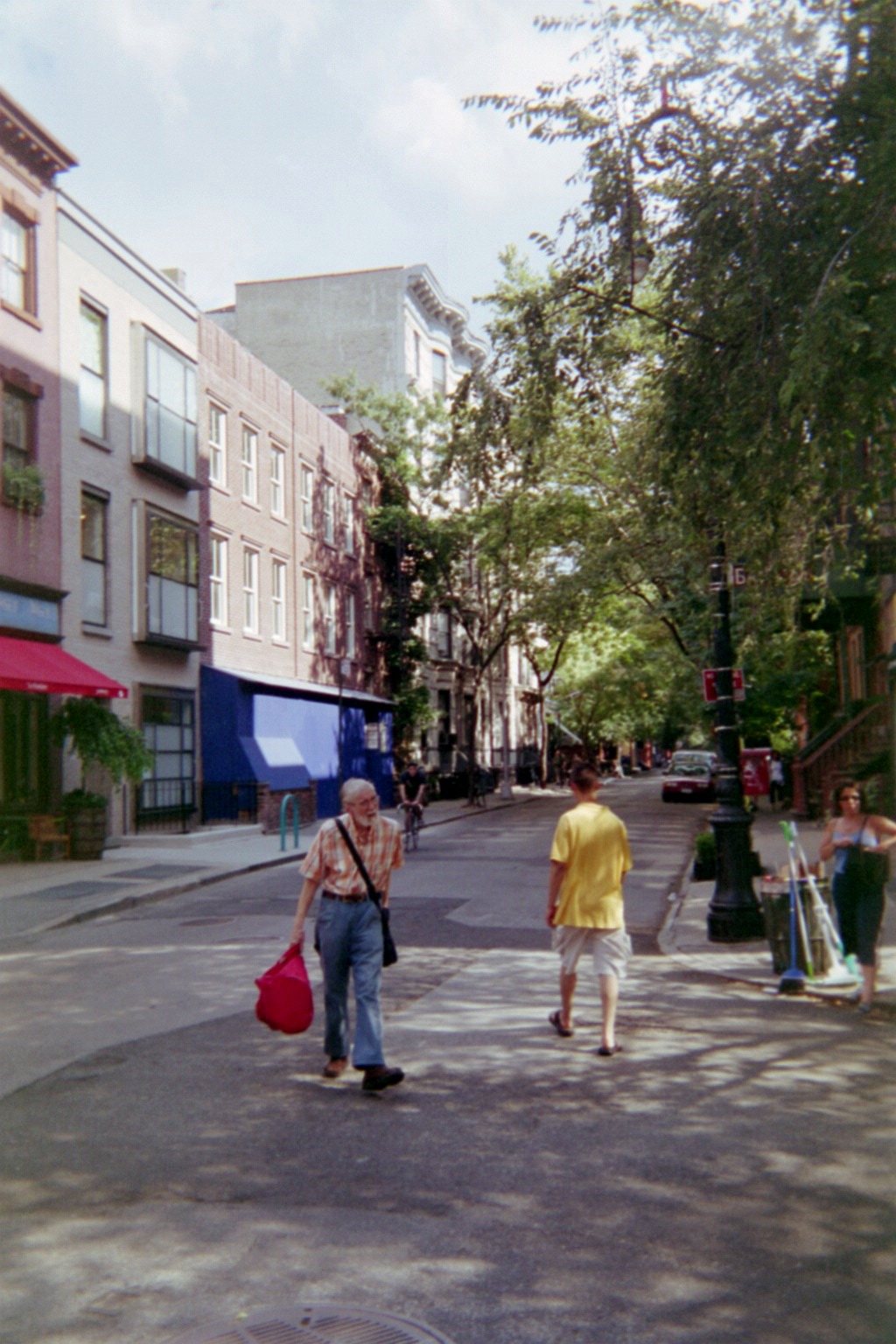
Not every brunch here needs a wait list and a DJ. Walk north and west from the square and the neighborhood downshifts fast. Bank Street, running between Greenwich Avenue and the river, is lined with brownstones and townhouses that have barely changed in decades, and the handful of cafes tucked into its ground floors serve a brunch built for two people who actually want to talk. Reservations move faster here because the rooms are smaller and turnover is quicker, no bottomless package holding a four-top hostage for two hours.

A few blocks southeast, Grove Court is the kind of find that stops first-time visitors mid-step: a gated, tree-lined mews set back from the street, ringed by rowhouses from the 1850s. It's private, residential, and not a brunch destination itself, but standing at the gate and looking down that little courtyard is the kind of five-minute detour that explains why people fight to live in this neighborhood at all. Fold it into your walk between a coffee stop and your actual table.
This end of the neighborhood is where a low-key brunch actually lives: a shared plate at a small table and a good bottle of natural wine poured by the glass even before noon, with no line spilling into the crosswalk. It's where you take someone you've been dating for a month and want to actually hear them talk, not shout over a bachelorette party three tables down.
Bagels, Bacon-Egg-and-Cheese, and the Bakery-Cafe Route
Not every good brunch in this neighborhood involves a menu and a server. New York runs on two things that don't need a reservation: a real water bagel with a proper schmear, and a bodega bacon-egg-and-cheese wrapped in foil before 9 a.m. Both exist in the West Village in abundance, and both are the correct answer if you want to eat well without planning two weeks out.
Hudson Street, the neighborhood's western spine running from Abingdon Square down past the old Jefferson Market corner, carries the highest concentration of bakeries and coffee counters, along with old-school delis doing exactly this kind of food. Grab a bagel and a coffee and eat it standing at the counter or walking, the way it's meant to be eaten, and you've had a better breakfast than most people waiting forty-five minutes two blocks over.
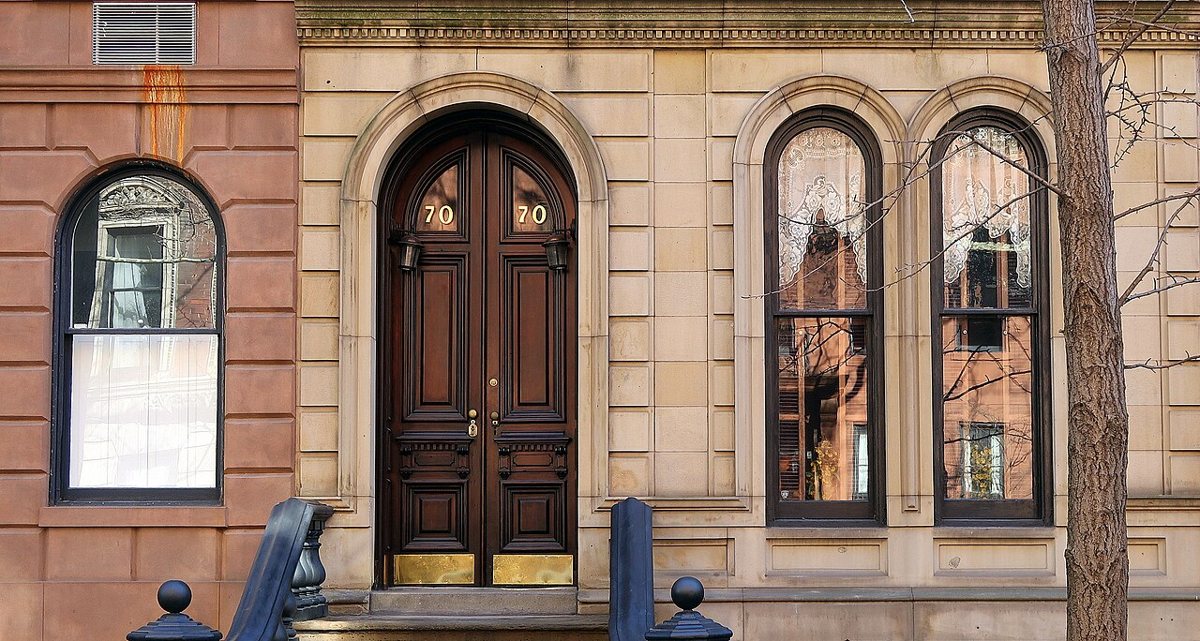
The brownstone-lined side streets that branch off Hudson are worth a slow walk with your coffee in hand. This is the West Village most people picture when they picture it at all: low-rise, tree-shaded, ironwork railings, stoops that have hosted the same flowerpots for years. If you want a good local coffee shop for the bagel-and-bacon-egg-and-cheese route rather than a sit-down table, a good local counter on this stretch will do more for your morning than any brunch line.

Anchoring the Walk: Washington Square Park to the River
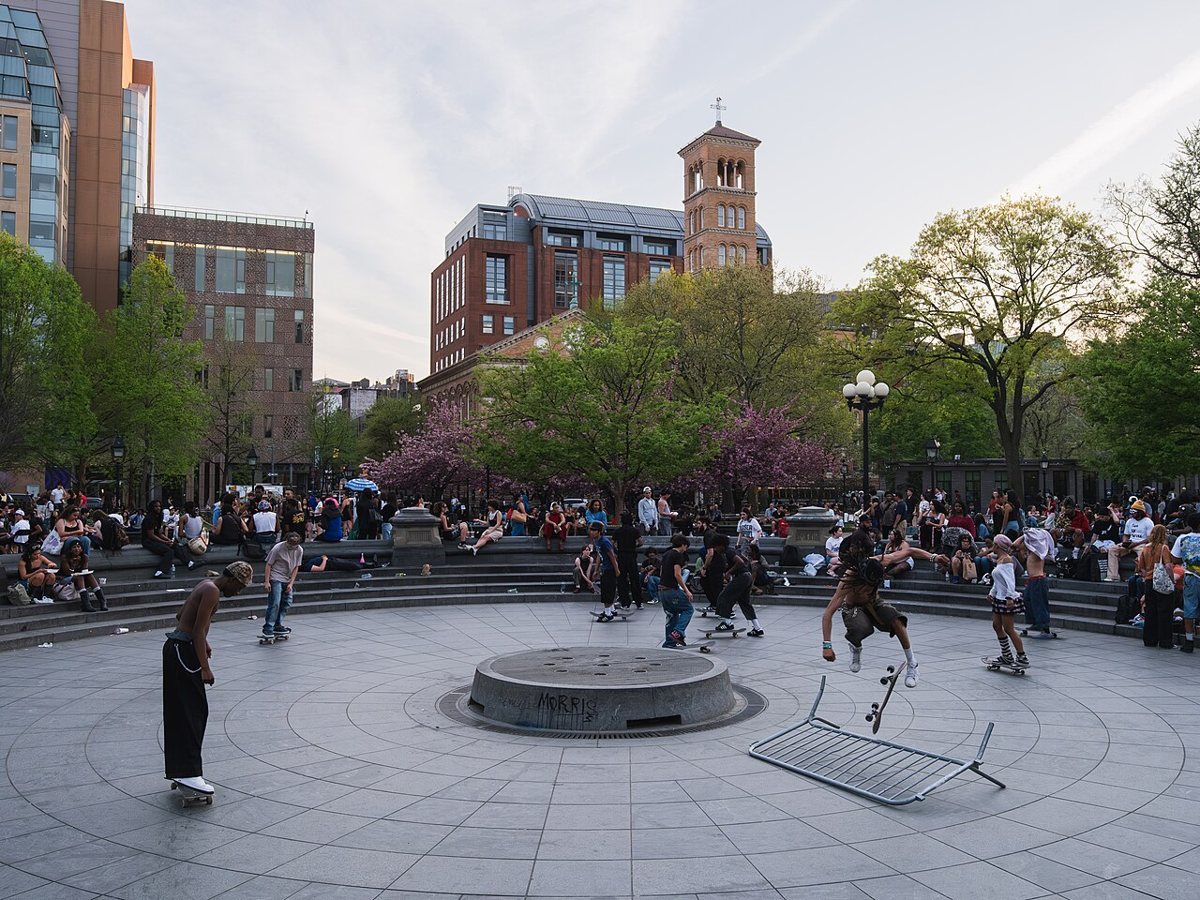
The eastern edge of the neighborhood, where the West Village meets the top of Greenwich Village proper, is anchored by Washington Square Park. The arch, the fountain, the chess tables, and the NYU crowd all live here, and it's a legitimate meeting spot before a brunch reservation further west, especially if half your group is coming from downtown or from the subway lines that stop nearby.

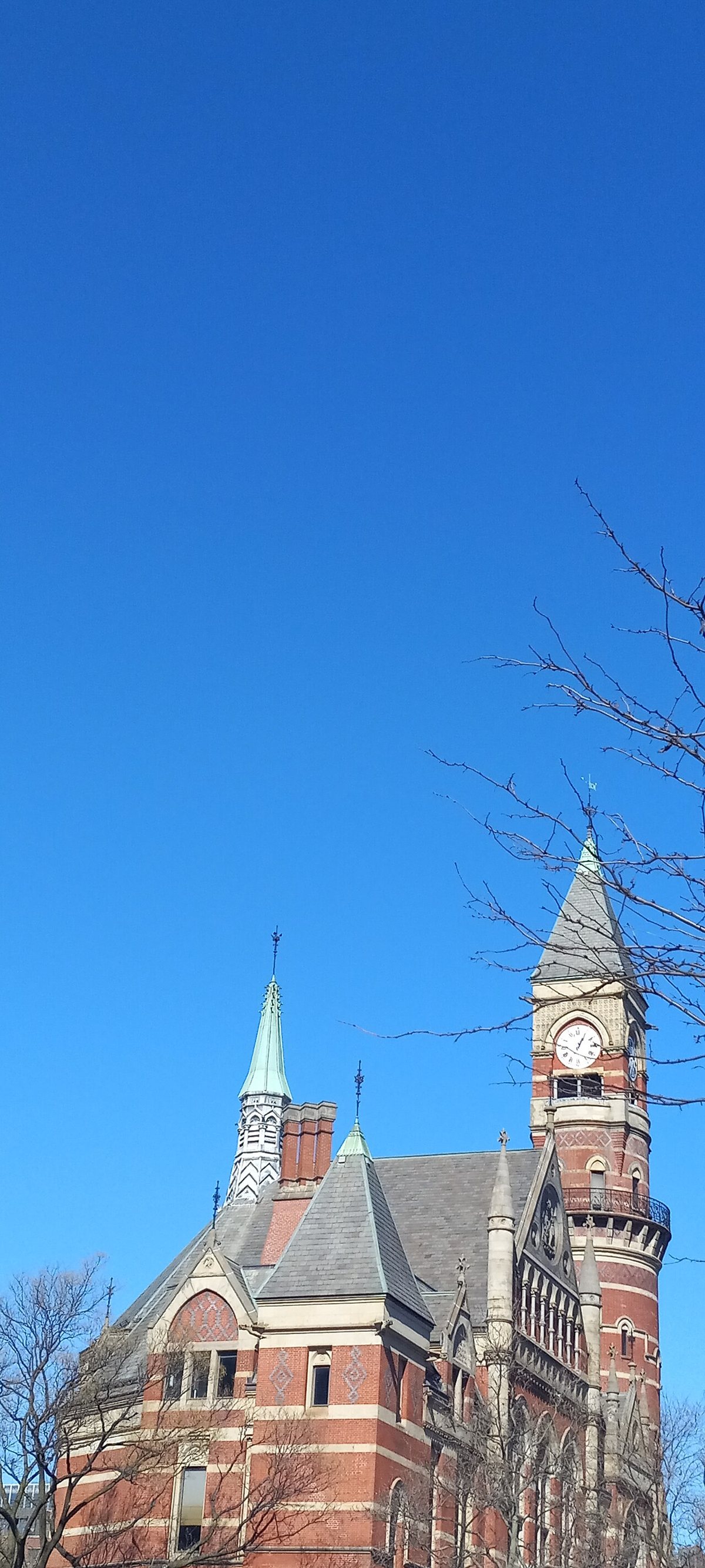
Cut northwest from the park along Sixth Avenue and you'll pass Jefferson Market Library, the red-brick Victorian tower with the clock face that used to be a courthouse and now holds a branch of the public library. It's one of the few buildings in the neighborhood tall enough to use as a landmark from three streets away, useful when you're trying to redirect a friend who's gotten turned around on the diagonal blocks nearby.

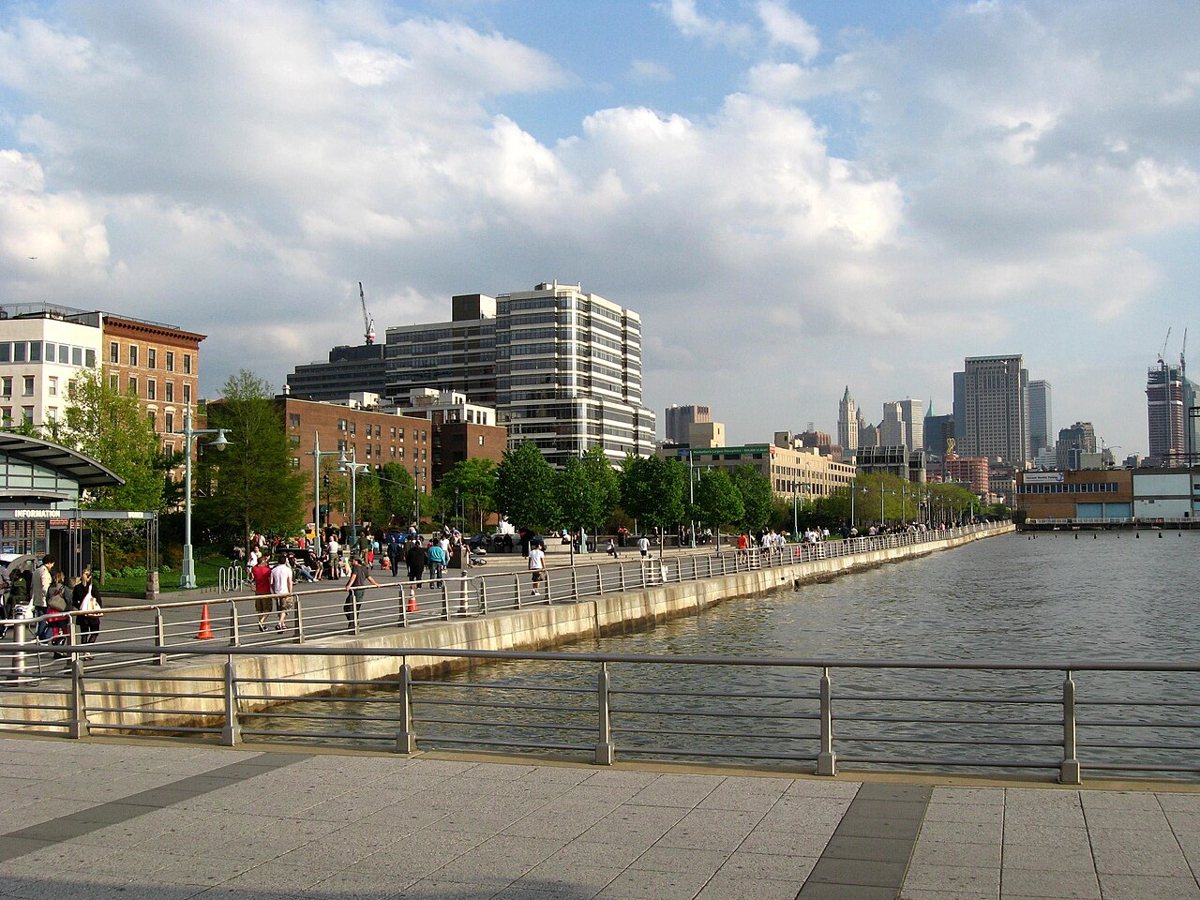
Push all the way west past Hudson Street and Washington Street and the neighborhood ends at Hudson River Park, a strip of green and paved paths running the length of Manhattan's western edge. It's the best place in the neighborhood to walk off a heavy brunch: benches facing New Jersey across the water and a greenway full of cyclists and runners, with none of the crowd noise from the tables you just left.

Getting There and Getting Around
The West Village is one of the harder parts of Manhattan to navigate by train, which surprises people who assume the whole island is easy. The 1 train stops at Christopher Street-Sheridan Square, right in the middle of the sceney corridor, and it's the single most useful stop for anyone heading to Bleecker. The A, C, E, B, D, F, and M lines converge at West Fourth Street on the neighborhood's eastern edge, a short walk from Washington Square Park but a longer one from the river. Coming from New Jersey, the PATH train's Christopher Street stop drops you close to the western blocks.
Once you're on the ground, the diagonal streets do their best to confuse you. The grid breaks down entirely west of Sixth Avenue, so West Fourth Street can cross West Tenth, and numbered streets stop behaving the way they do uptown. A phone map helps, but the better trick is anchoring on a tall landmark like Jefferson Market Library's clock tower and orienting from there. Give yourself an extra ten minutes over what the map claims, because a wrong turn on Bank or Perry Street will cost you that and then some.
Seasons and the Patio Calendar
Brunch here changes character with the weather more than most neighborhoods. From late spring through early fall, the sidewalk seating is the whole draw, and the sceney blocks operate at full volume with every outdoor table spoken for by late morning. That's the season for the see-and-be-seen version of the neighborhood, and also the season with the longest waits.
Winter flips the equation. The outdoor tables mostly disappear, the crowd thins, and the small indoor rooms on the quieter blocks become the best seats in the neighborhood. A cold Sunday in January is the easiest time to walk into a good table without a three-week reservation, and a warm room with a coffee while snow falls on a brownstone block is its own kind of perfect. The holiday stretch between Thanksgiving and New Year's runs busy again, so book ahead for those specific weekends even in the off-season.
Who a West Village Brunch Actually Suits
A date
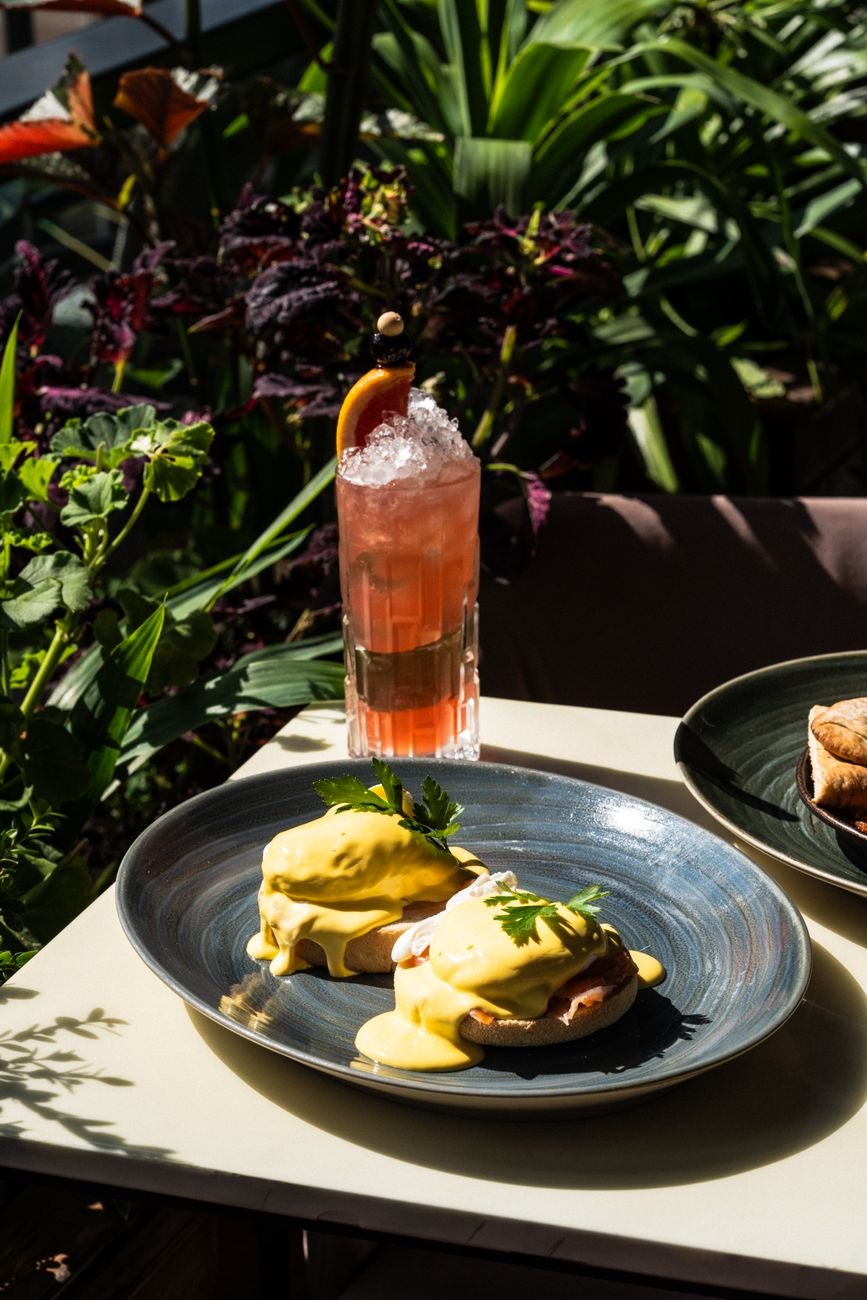
Skip the bottomless package. Book a small indoor table on Bank Street or one of the quieter side streets off Hudson, aim for a 9:30 or 10 a.m. slot, and order something you can share without wrestling over silverware. Eggs benedict works here because it's rich enough to justify splitting and slow enough to eat that you're not staring at an empty plate ten minutes in.
A group
Head straight for the Bleecker corridor and call ahead for anything over four people. Confirm the bottomless policy before you sit down: most rooms cap it at two hours, and many enforce one drink at a time rather than a full carafe. Almost none let you split a bottomless order across only part of the table.
Solo
This is bagel-and-coffee territory. Walk Hudson Street, find a counter, eat standing or on a bench in Hudson River Park, and spend your morning walking rather than waiting. It's the single best way to see the neighborhood without spending an hour staring at a phone for your table alert.
Out-of-towners
Anchor the day at Washington Square Park, walk the diagonal blocks toward Christopher Street and Sheridan Square, stop at Grove Court, and land at a table on or near Bleecker for the full sidewalk-cafe experience the neighborhood is known for. It hits the landmarks and the food in one loop that takes about two hours end to end, not counting the wait.
Price Reality and How to Order
Brunch in the West Village runs expensive relative to most of the city, and the sceney blocks run expensive relative to the rest of the neighborhood. A sit-down plate with coffee lands well above what the same dish costs in most other parts of town, and a bottomless package adds a flat fee per person on top of the food, regardless of how much anyone actually drinks. Tax and an automatic gratuity for larger parties add more. Know that going in and you won't be surprised by the check.
A few ordering habits separate a good morning from a frustrating one. Ask about the bottomless cutoff time before you commit, since some rooms stop pouring at 1 or 1:30 regardless of when your table sat down. Eggs benedict, when it's on the menu, is usually the kitchen's showcase dish and a fair test of quality. A proper bacon-egg-and-cheese from a deli counter, wrapped tight in foil, remains one of the best five-dollar breakfasts in the entire city and nobody should feel like ordering one instead of a sit-down table is a downgrade. And if the hostess quotes a 45-minute wait on a Saturday at noon, believe her and go take a walk around the neighborhood rather than standing on the sidewalk watching the door.
Where I'd Actually Send You
People treat brunch here like a single decision, one restaurant, one reservation, one outcome. It isn't. The neighborhood gives you a menu of entire mornings: loud and bottomless on Bleecker, quiet and unhurried on Bank Street, a bagel eaten on a bench facing the river, a table booked around a group of eight who all want mimosas and nobody wants to be the one checking the clock. The mistake first-timers make is picking a spot off a list without picking the version of the morning they actually want first. Decide who you're with and what kind of two hours you're after, then let the geography answer the rest. That's the whole trick, and it's the only one that actually works here.