Best Parks in New York Locals Recommend
Fourteen real parks across five boroughs, from the Great Lawn to a Bronx forest older than the street grid, mapped by locals who actually use them.
Six-fifteen on a July morning and the Long Meadow at Prospect Park already has its regulars: a woman running sprints between two maple trees, a man walking a three-legged dog past the tennis house, two kids on bikes who clearly know this park better than their own block. Nobody here is a tourist. Nobody is checking a map. This is what a park sounds like when a neighborhood actually owns it, and it's the closest thing to a working definition of what makes the best parks in new york worth crossing a bridge or a river for. Ask five New Yorkers for their favorite park and you'll get five different boroughs, five different trains, and five people who will argue passionately that the other four are wrong.
That argument is the point. New York doesn't have one great park, it has dozens of them, each stitched into a specific neighborhood's daily rhythm. This guide moves borough by borough and type by type, covering the flagship parks that anchor the city's identity, the neighborhood greens where locals actually spend their Tuesday evenings, the botanical gardens worth the admission, and the waterfront stretches that turned old industrial shoreline into some of the best public space in the country.
The Big Ones: Flagship Parks Every Borough Claims
Every borough has at least one park that functions as its heart, the place locals default to when someone visits from out of town or when a Saturday needs no plan beyond showing up.
Central Park (Manhattan)
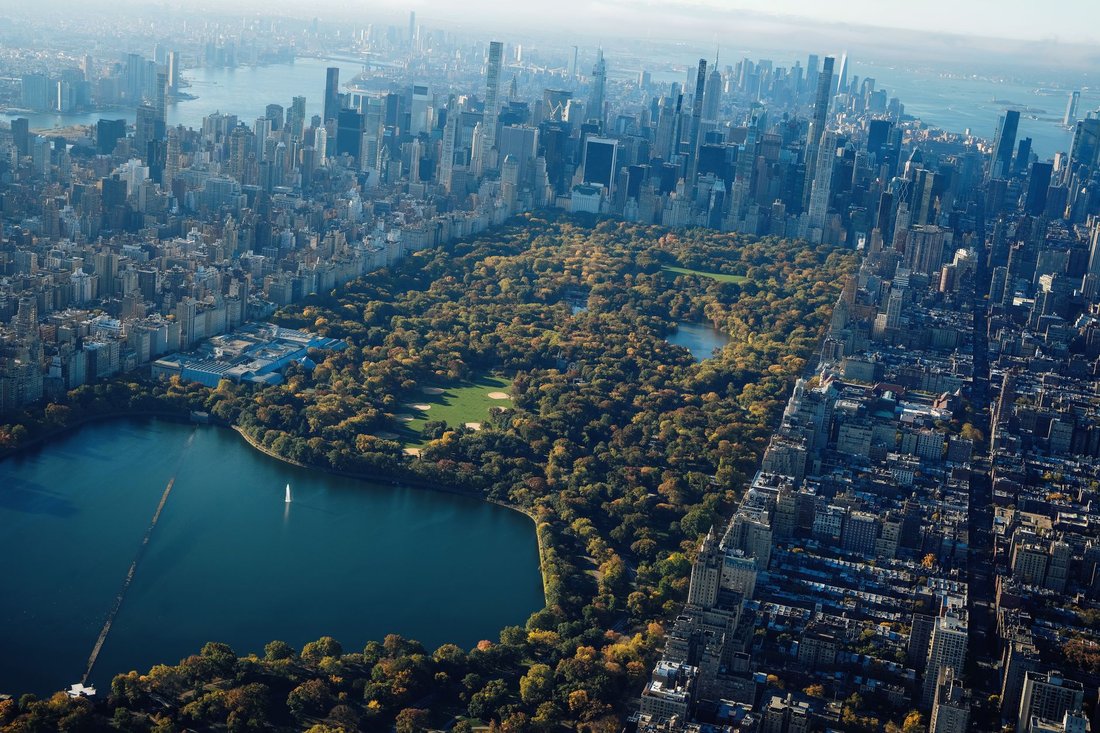
Central Park earns its reputation honestly, even if outsiders reduce all of New York's green space to this one rectangle. It runs from the 59th Street entrances up past 110th, and inside those 843 acres are distinct worlds: the Ramble's tangled paths favored by birders, the Great Lawn where softball leagues run all summer, the Reservoir loop where half of the Upper East and Upper West Side does its morning miles, Belvedere Castle, the Conservatory Garden tucked into the northeast corner and skipped by nearly everyone who doesn't live nearby. Regulars don't wander the whole thing at once, they claim a corner and return to it. The insider move is entering from the north, at 110th or 106th, where the crowds thin out fast and the park still feels like a park instead of a photo backdrop. Reachable from nearly every north-south train line, though the B and C running local along Central Park West put you closest to the quieter entrances.
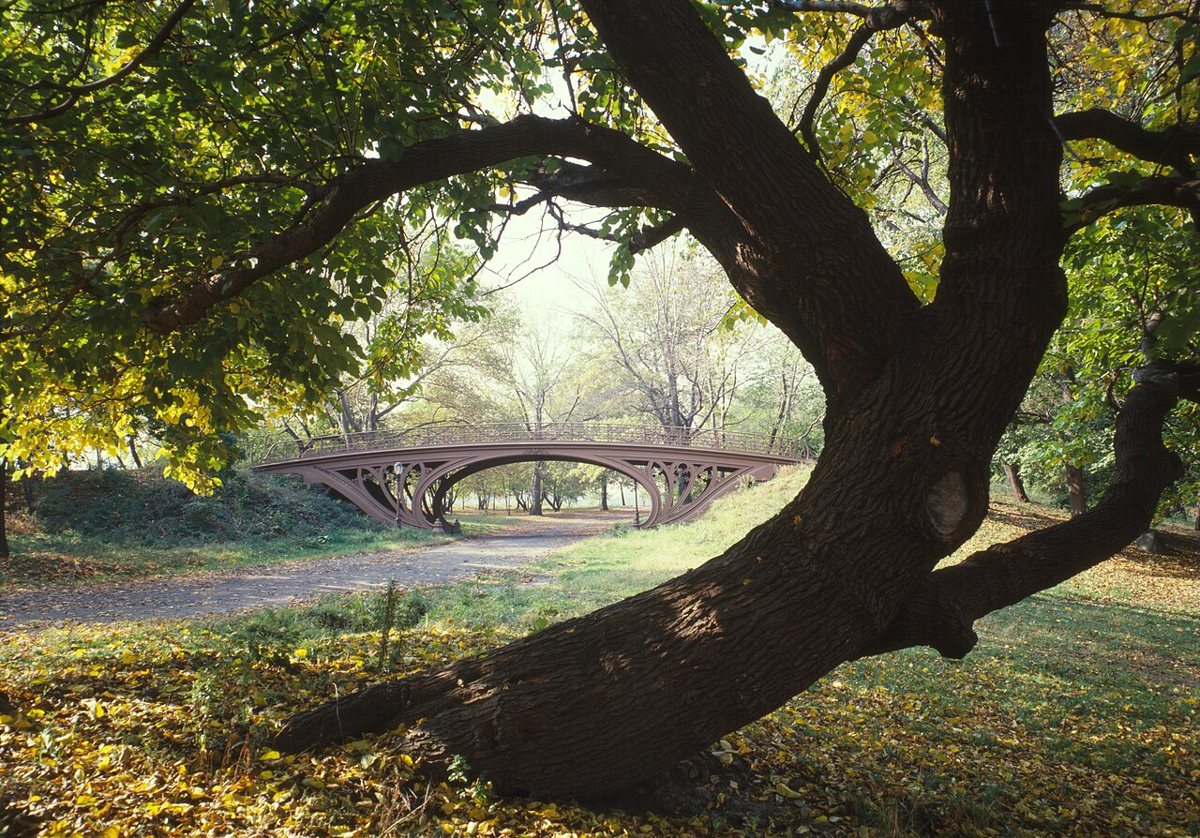

Central Park is the reason so many first-time visitors think the best parks in new york all sit in Manhattan, and it's worth saying plainly: they don't.
Prospect Park (Brooklyn)
Frederick Law Olmsted and Calvert Vaux, the same team behind Central Park, considered this their better work, and plenty of Brooklynites agree. The Long Meadow stretches nearly a mile, the longest unbroken green space of its kind in any American city park, and it's flanked by a genuine forest, the Ravine, that gets forgotten because most visitors never leave the meadow. There's a zoo, a bandshell that hosts a well-loved summer concert series, a boathouse on the lake, and Prospect Park Alliance-run nature programs that draw serious birders during migration season. People from Park Slope, Windsor Terrace, Flatbush, and even Crown Heights all treat this as their backyard, which means it never feels like one neighborhood's turf. The move: enter near Grand Army Plaza and walk toward the Ravine instead of stopping at the meadow. Reached easily by the 2, 3, B, or Q depending which side of the park you're aiming for.

Van Cortlandt Park (Bronx)
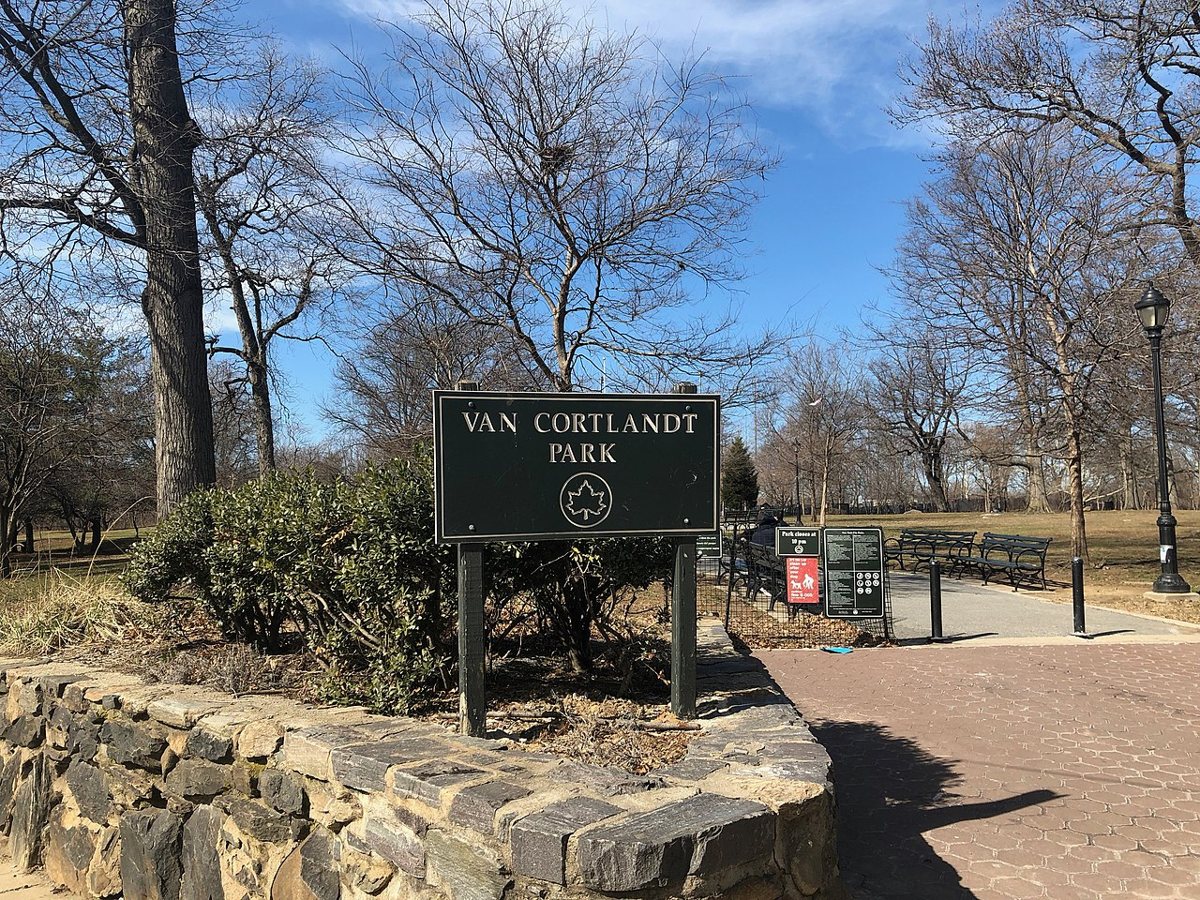
The Bronx's biggest park doesn't get the citywide press that Central and Prospect do, and Bronx locals mostly prefer it that way. It has the city's oldest golf course, a genuine freshwater wetland, cross-country running trails used by nearly every high school track team in the borough, and woods dense enough that you can lose the sound of traffic within a few minutes of walking in. Van Cortlandt House, a colonial-era building, sits near the park's southern edge and gives the whole place a layered sense of history that predates the city grid entirely. The parade ground hosts cricket matches most weekends, a reminder of how many of the Bronx's Caribbean and South Asian communities have made this their park. Take the 1 train to its final stop and you're close.

Best Parks in New York for Neighborhood Life: Where Locals Actually Go
The flagship parks get the tourism copy, but ask a local where they actually spend their weekday evenings and you'll hear about a smaller park two blocks from their apartment.
Fort Greene Park (Brooklyn)
This is a neighborhood park in the truest sense: a hill, a war memorial column visible from blocks away, a farmers market on weekends, and a community that treats the lawns as an extension of their living rooms. It's compact compared to Prospect Park, which is exactly why it works, easy to cross on a lunch break, easy to find a friend already sitting there. The stairs up to the Prison Ship Martyrs Monument give one of the better free views in Brooklyn. The C train drops you close.
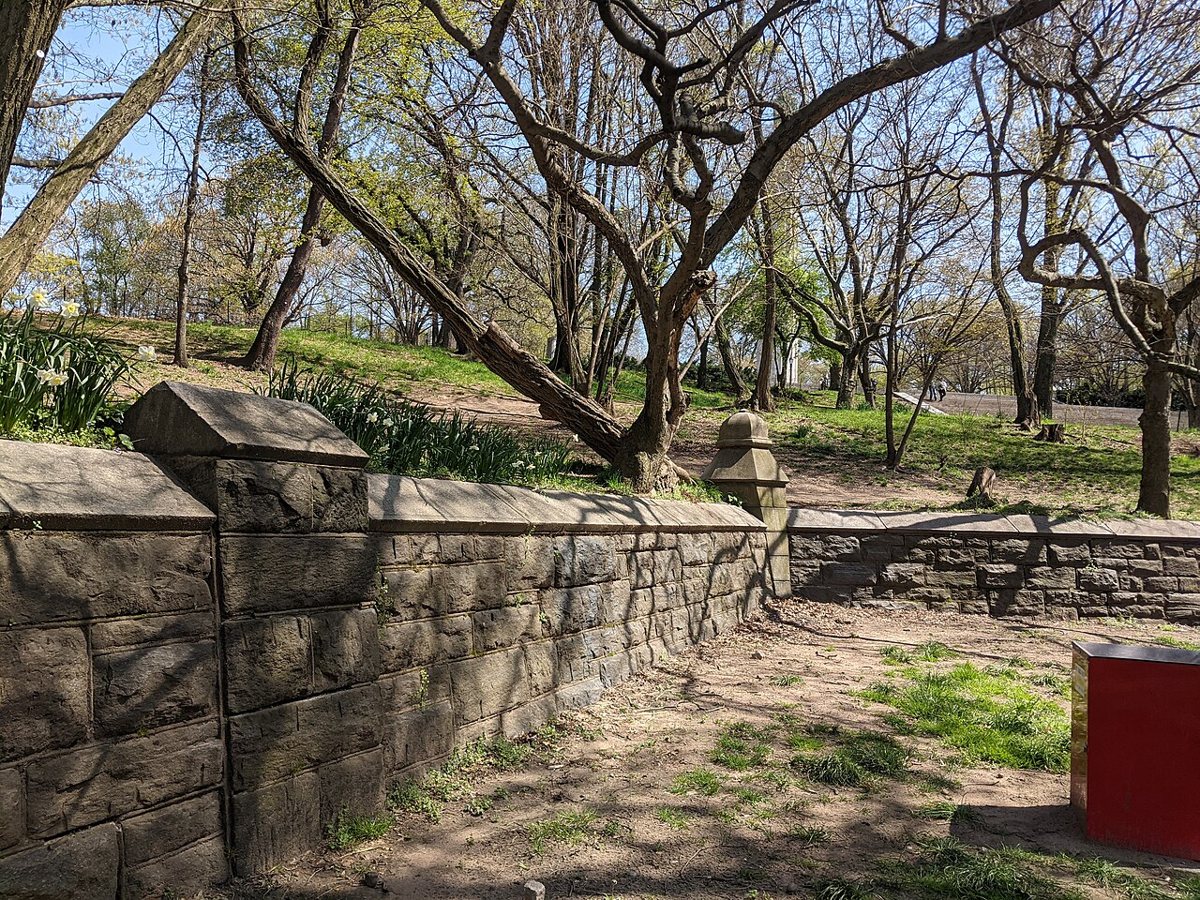

Fort Tryon Park (Manhattan)
Way up at the northern tip of Manhattan, Fort Tryon feels like nothing else in the borough, all rolling hills and heather gardens overlooking the Hudson, with the Cloisters, the Met's medieval art branch, sitting at its highest point. Washington Heights and Inwood locals use it the way other neighborhoods use their corner bodega: often and without much ceremony. The views north toward the Palisades are genuinely dramatic, and on a clear day you can see well up the river. Take the A train to 190th and ride the elevator up, a detail that surprises people who don't already know it.
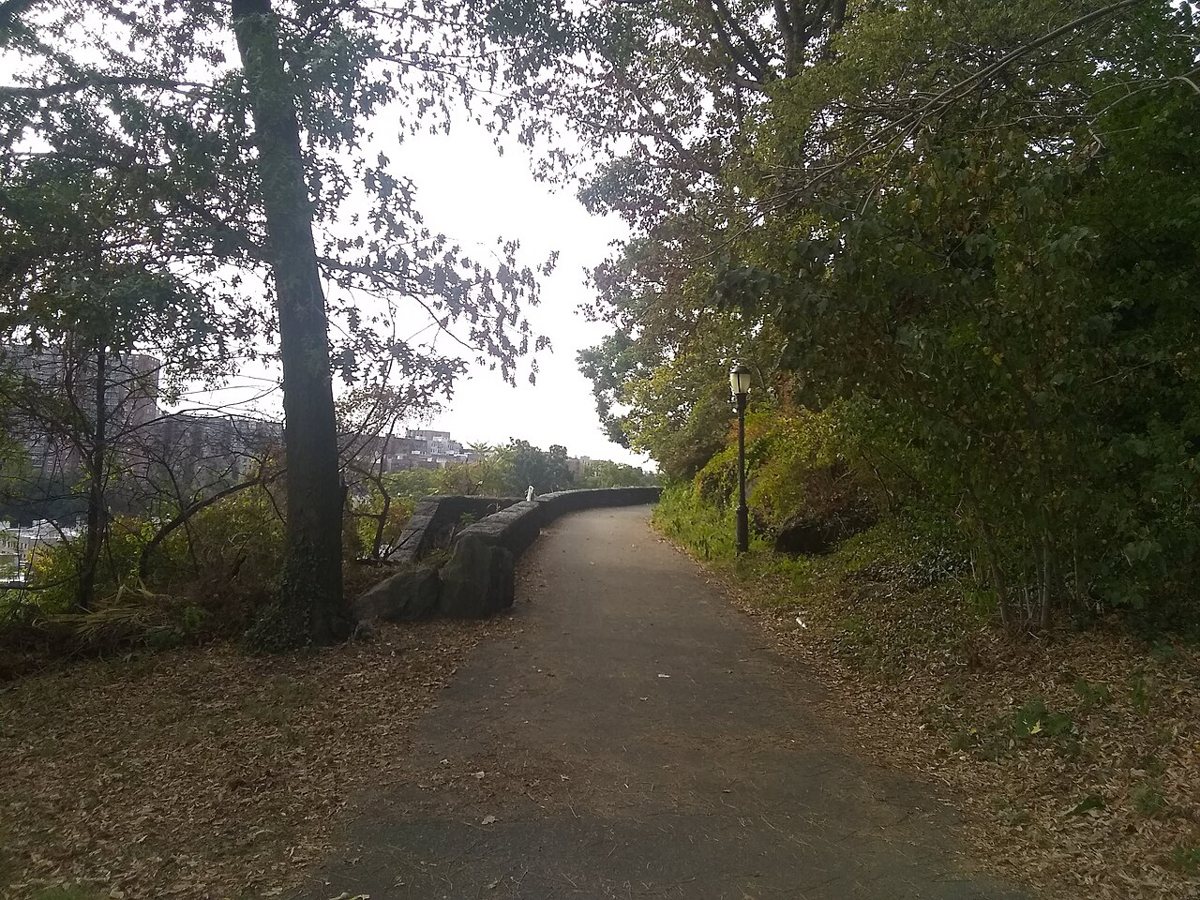

Astoria Park (Queens)
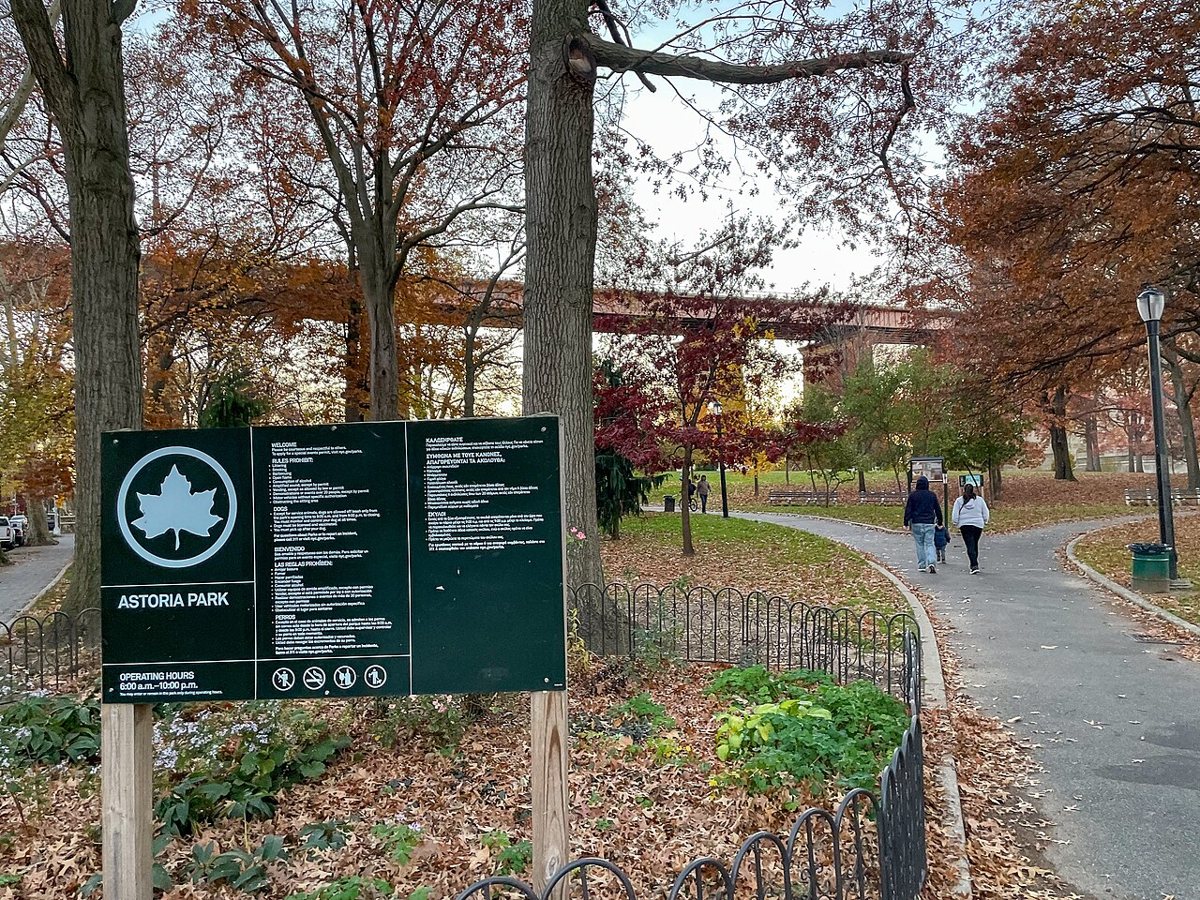
Astoria's park sits directly under the Hell Gate and Triborough (RFK) bridges, which sounds like it shouldn't work and somehow works beautifully. There's a public pool that's one of the largest in the city, a running track, and unobstructed views across the East River to Manhattan's skyline that rival anything from the Brooklyn side. Greek and increasingly diverse crowds from Astoria and Jackson Heights fill the benches most evenings, and the riverside path is genuinely one of the better sunset spots in the city that most Manhattan-based visitors never think to visit. The N or W train to Astoria Boulevard gets you close, then it's a walk west toward the water.

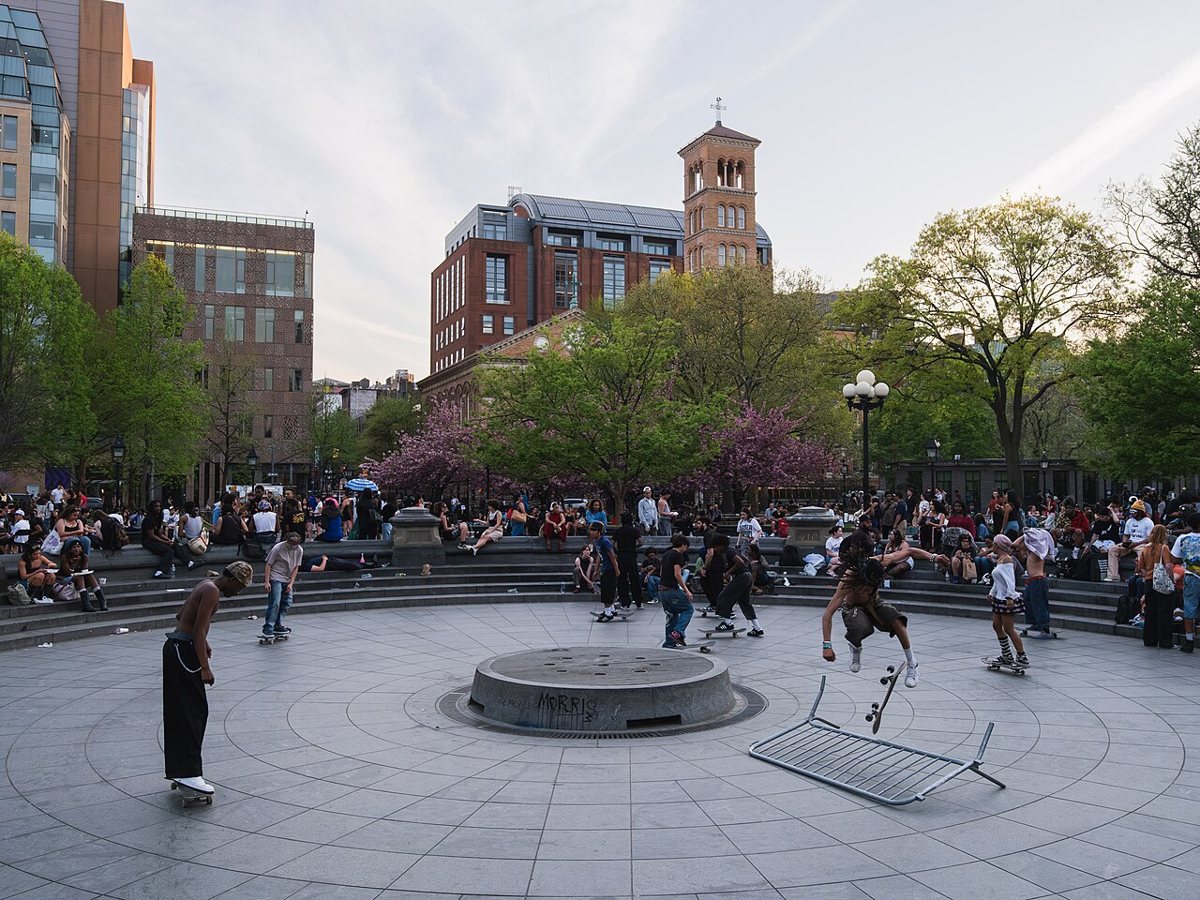
Washington Square Park (Manhattan)
The arch, the fountain, the chess tables, the NYU students spilling out of nearby buildings, the occasional impromptu concert: Washington Square earns its status as one of downtown's real public living rooms, not a tourist stop dressed up as one. Locals from the West Village and the surrounding blocks treat the fountain plaza as a meeting point the way other neighborhoods use a specific bar. It's small compared to the parks further uptown, which is part of the appeal, everything is visible at once. The A, C, E, B, D lines plus the F and M all land within a short walk.

Botanical Gardens: The Best Parks in New York for Slowing Down
Not every green space in the city is free lawn and open sky. The botanical gardens charge admission and reward the visit with something closer to a quieter escape.
New York Botanical Garden (Bronx)
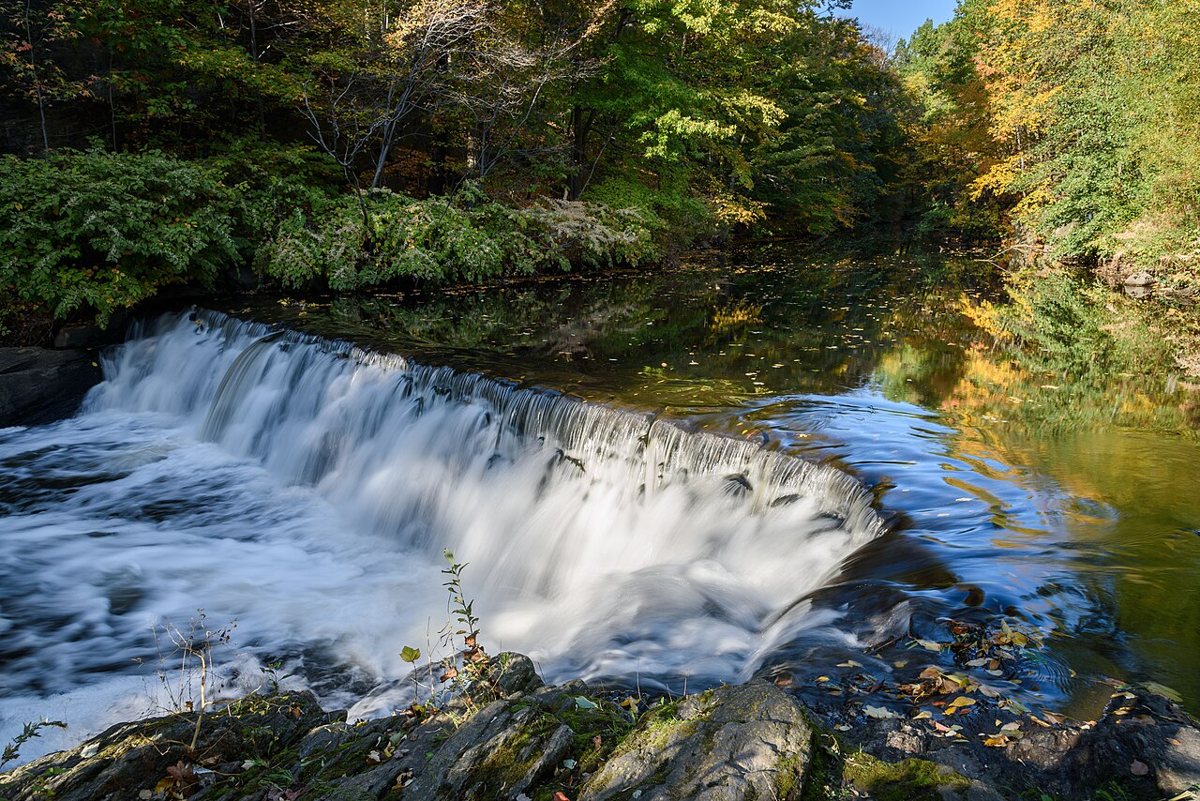
250 acres in the Bronx that include an honest-to-goodness old-growth forest, the last remaining uncut tract in the city, plus a conservatory, rose gardens, and seasonal exhibitions that draw visitors from every borough. The scale here catches people off guard, this isn't a garden you finish in an hour. Locals with memberships treat it as a rotating destination, coming back for the orchid show one month and the fall foliage the next. The Metro-North Harlem line stops right at the entrance, or take the B or D train and transfer to a bus.

Brooklyn Botanic Garden (Brooklyn)
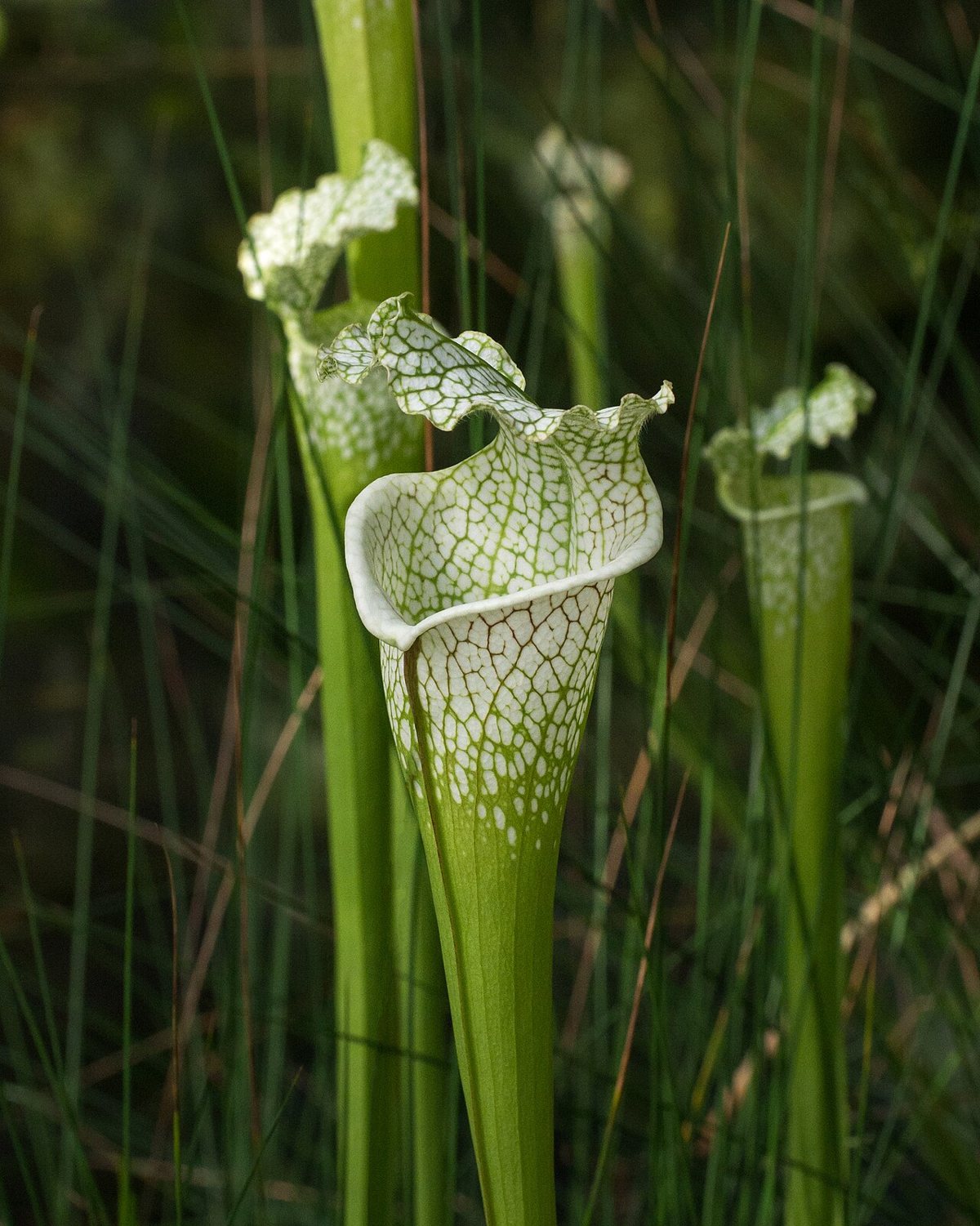
Smaller and more walkable than its Bronx counterpart, the Brooklyn Botanic Garden sits right next to Prospect Park, which means a lot of locals treat the two as one long outing. The cherry blossom collection draws real crowds each spring, but the Japanese garden and the fragrance garden hold up in every season. It charges admission most of the year, though it's worth checking current policy on free days. Reachable by the 2 or 3 to Eastern Parkway-Brooklyn Museum.

Waterfront Parks: The City Reclaiming Its Edges
Some of the strongest additions to the city's park system over the last two decades have turned old rail lines, piers and industrial shoreline into public waterfront.
The High Line (Manhattan)
Built on a raised freight rail line that once carried meat to the Meatpacking District, the High Line runs between Gansevoort Street and Hudson Yards, threading between buildings at a second-story remove from the street. It's become among the most visited attractions in the city, which means locals now go early or late to avoid the crush, but the plantings, chosen to mimic what grew wild on the abandoned tracks, still make it worth the walk regardless of crowd. The A, C, E, and L trains all put you within reach of an entrance.

Brooklyn Bridge Park (Brooklyn)
Stretching along the East River from the Manhattan Bridge down past Atlantic Avenue, this park turned a stretch of derelict piers into six distinct sections, each with its own personality: a roller rink and lawn at one pier, a marina and picnic point at another, a renovated carousel under a glass pavilion near the Brooklyn Bridge itself. The views of lower Manhattan across the water are about as good as they get, and DUMBO and Brooklyn Heights locals use the lawns for everything from yoga classes to birthday picnics. The F train to York Street or the A/C to High Street both work.

Domino Park (Brooklyn)
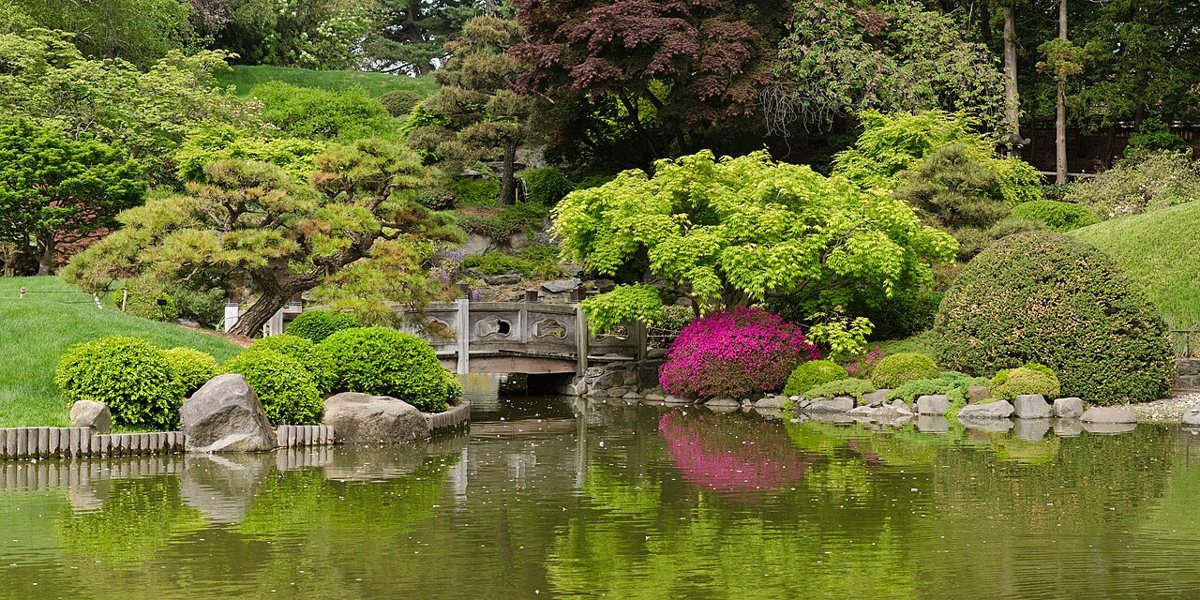
Built on the old Domino Sugar Refinery site along the Williamsburg waterfront, this newer park kept pieces of the factory's industrial machinery as sculpture and turned the rest into a boardwalk, a dog run, and a lawn that faces the Manhattan skyline dead-on. It's smaller than Brooklyn Bridge Park but does a lot with its footprint, and it's a rare Williamsburg destination that draws just as many Greenpoint and South Williamsburg locals as it does the crowd the neighborhood is known for elsewhere. The L train to Bedford Avenue gets you there with a short walk east.
Getting There, Timing It Right, and What's Free
Nearly every park in this guide is free to enter, the exceptions being the two botanical gardens, which charge for general admission but are worth planning around if you want the full conservatory or seasonal exhibit experience. Early mornings, especially on weekdays, are the best window for having flagship parks like Central and Prospect mostly to yourself before the crowds build by midday. Weekend afternoons are peak everywhere, which isn't a reason to avoid them, just a reason to expect company. The subway gets you within walking distance of every park listed here, and a Citi Bike often closes the last gap faster than a bus would, particularly along the waterfront parks where bike paths run the length of the shoreline. Pack water in summer regardless of which park you're headed to, shade is inconsistent even in the biggest ones, and bathroom access varies enough by season that it's worth checking a park's current facilities before setting out, especially at the smaller neighborhood spots.
For more ways to spend a day outside once you've picked your park, or for a broader sense of which neighborhood might become your favorite, there's plenty more ground to cover.
The Real Case for New York's Parks
The mistake outsiders make is treating a New York park as a single stop on an itinerary, something to check off between a museum and a dinner reservation. That's not how locals use them. A park here is closer to infrastructure, a place woven into a weekly routine, the spot where a Bronx cricket league has played for decades, where an Inwood family takes the same bench every Sunday, where a Bushwick or Bed-Stuy resident cuts through on the walk home because it's faster and better than the sidewalk. The best parks in new york aren't ranked by acreage or Instagram traffic, they're ranked by how deeply a neighborhood has absorbed them into daily life. Pick one borough, walk its park slowly, and come back to a different one next weekend. That's the only way to actually see this city's green space for what it is.