Best Museums in New York You Shouldn't Miss
Twelve real New York museums, sorted by borough and by what kind of day you actually want, from the Met's Egyptian wing to the Noguchi Museum's quiet garden in Queens.
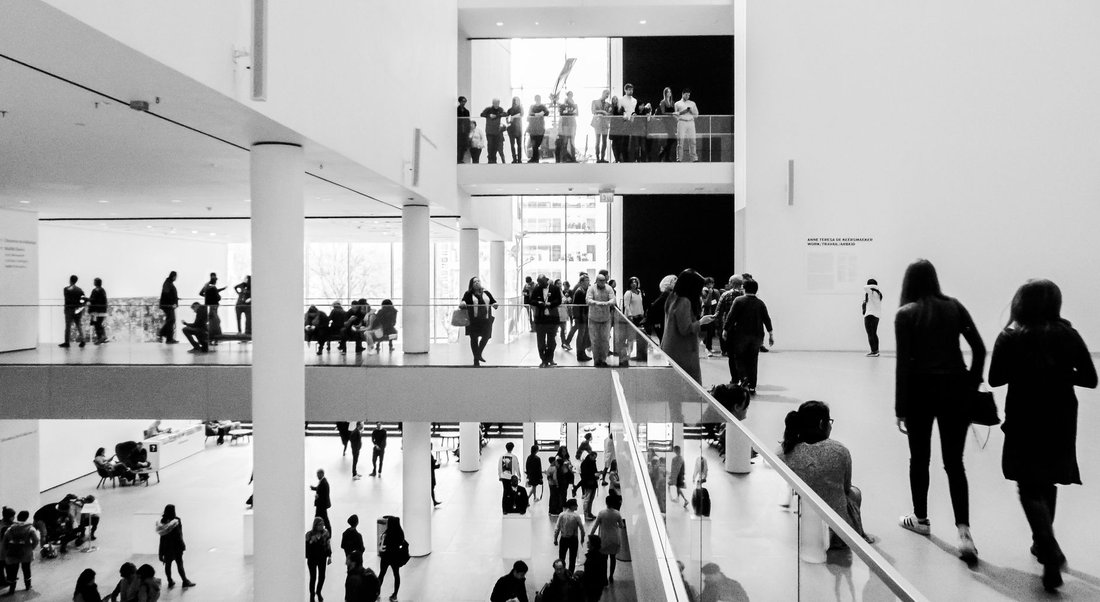
The doors at the Metropolitan Museum of Art open at ten, and for the first twenty minutes or so, before the tour groups and the field trips catch up, the Temple of Dendur room is nearly empty. Just you, a sandstone gateway shipped in from Egypt, and a security guard checking his watch. That window, small and easy to miss, is the closest thing this city offers to time travel, and it is one of a dozen reasons New York's museums outclass every other collection in the country. Ask ten New Yorkers for the best museums in New York and you will get ten different answers, split by borough, by the decade they moved here, by whether they think the Guggenheim's ramp is a masterpiece or a headache. This guide covers the real contenders, not just the ones that fit on a postcard.
What Makes the Best Museums in New York Different From Everywhere Else
Most cities have one or two institutions worth clearing an afternoon for. New York has dozens, spread across five boroughs, and the mistake visitors make constantly is treating a trip to the Met or MoMA as the whole assignment. Manhattan holds the biggest names, sure, but Brooklyn has its own encyclopedic museum older than most people realize, Queens has a sculptor's entire life's work tucked into a converted factory, and Harlem has an institution that shaped how American museums think about Black art. A serious museum trip here means picking a lane: the marble-floored giants, the specific and personal house museums, the history that still has dust on it, or the contemporary spaces where the art was made last year instead of last century. Below is a working list, organized so you can build a day, a weekend, or a whole itinerary around it. Skip the temptation to rank them against each other; a house museum built around one collector's taste and an encyclopedic museum built to hold the whole ancient world aren't competing for the same job, and judging one by the other's standard misses what makes each worth the trip. For a broader sense of how museum-going fits into a larger visit, a full day out usually pairs one big museum with a walk through the neighborhood around it.
The Encyclopedic Giants
These are the collections built to hold everything, spanning continents and millennia under one roof. They reward repeat visits because no single trip covers them.
Metropolitan Museum of Art
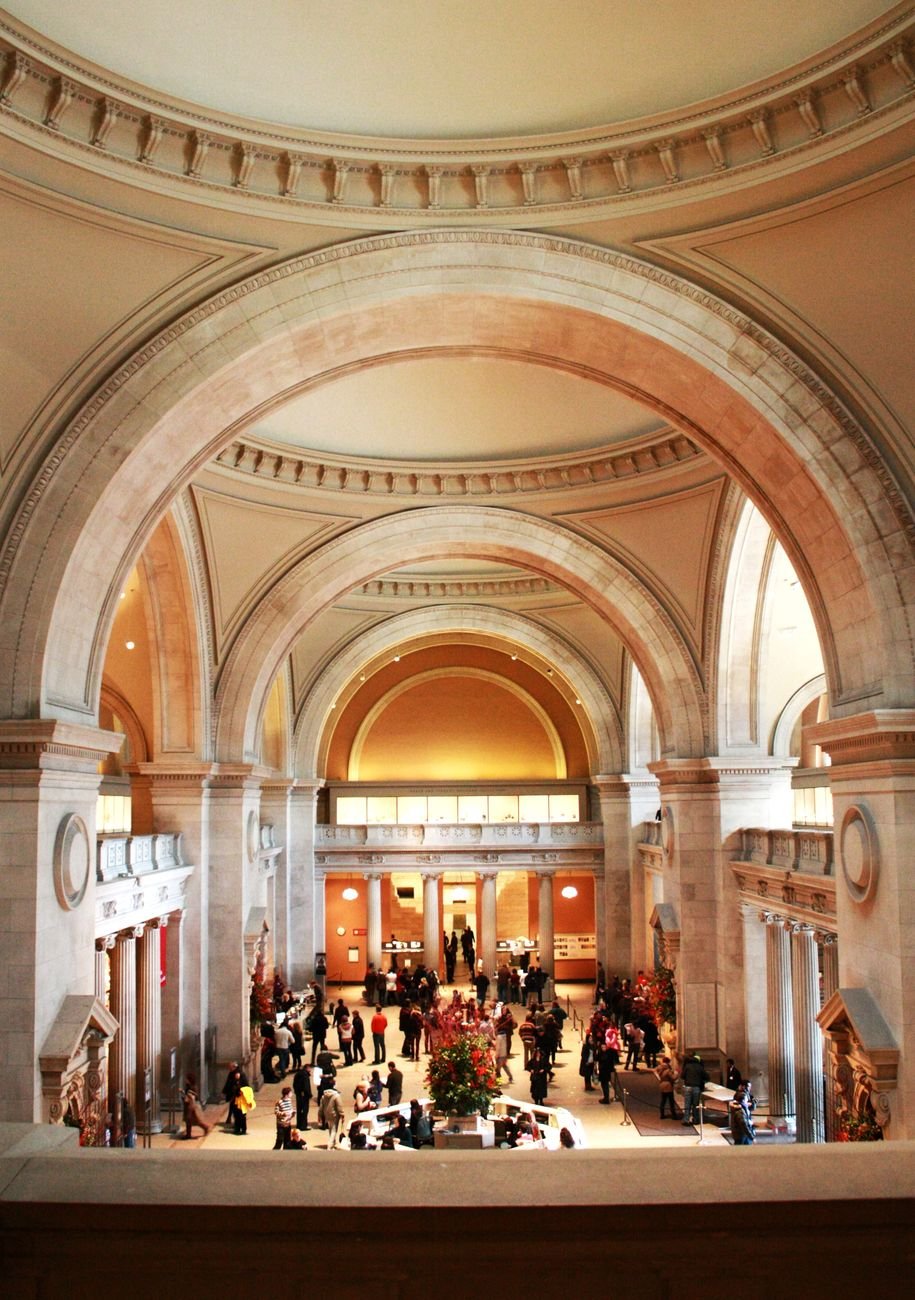
The Met is the largest art museum in the country, and its Fifth Avenue building alone could swallow a full day without anyone noticing the time. First-timers gravitate toward the Egyptian wing and that Temple of Dendur room, but the European paintings galleries, the arms and armor hall that quiets down even restless kids, and the rooftop garden in warmer months all deserve equal billing. The Costume Institute's exhibitions draw their own crowds separate from the permanent collection. Locals tend to pick one wing per visit rather than attempting the whole building, and the busiest stretch is almost always midday on weekends, so an early or late visit thins the crowd considerably. The Great Hall alone, with its soaring arches and rotating flower arrangements, sets a tone that most other museums in the country simply can't match on entry. It sits on the Upper East Side, across from Central Park, and the walk up or down Museum Mile afterward is part of the experience.
American Museum of Natural History
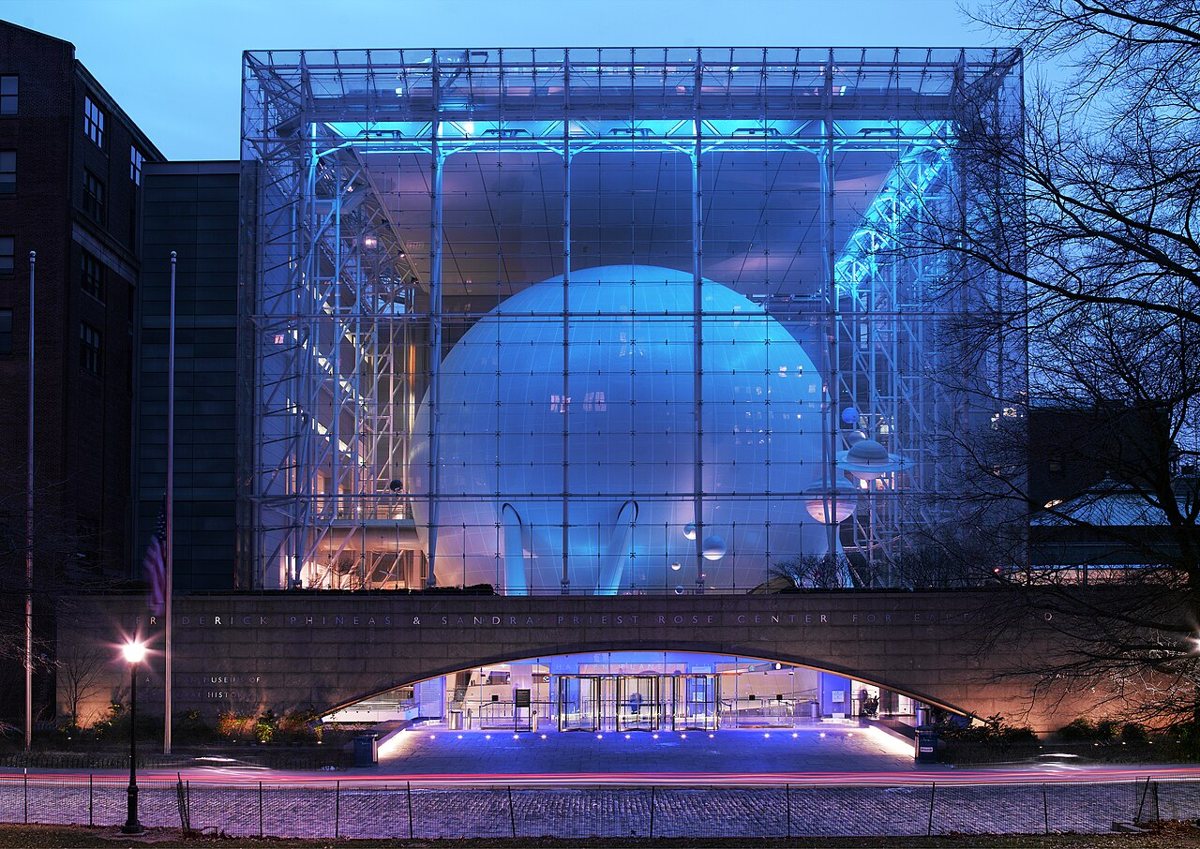
Across the park on the Upper West Side, the American Museum of Natural History has been the reason generations of kids fell in love with dinosaurs, and the fossil halls still deliver on that promise. The Milstein Hall of Ocean Life, with its suspended blue whale, and the Rose Center for Earth and Space, home to the planetarium, are the two spots that stick in memory longest. This is a museum built for families, but the dioramas of the Hall of North American Mammals hold up for adults who haven't thought about taxidermy since a school trip decades ago. Weekend mornings bring school groups by the busload, so a weekday visit or a late-afternoon arrival makes the halls far more walkable. Check current hours and admission policy before heading over, since the museum has shifted between suggested and fixed pricing at various points.

Museum of Modern Art (MoMA)
MoMA reopened its expanded Midtown building with more gallery space and a rehung collection that finally lets pieces breathe. Van Gogh's "The Starry Night," Picasso's "Les Demoiselles d'Avignon," and a rotating roster of major twentieth and twenty-first century work anchor the sixth and fifth floors. The design and architecture galleries get overlooked by visitors racing toward the famous canvases, and that is a mistake, since they hold some of the most inventive objects in the building. Members get early access on certain mornings, and that early slot is genuinely the best way to see the top-floor galleries without shoulder-to-shoulder crowds. The museum sits a block off Fifth Avenue, an easy walk from Rockefeller Center and, honestly, from nearly anywhere in Midtown.

Contemporary and Modern, Beyond the Big Name
New York's contemporary art scene lives in a handful of buildings that argue, loudly, against the idea that "modern art museum" means only one address.
Whitney Museum of American Art
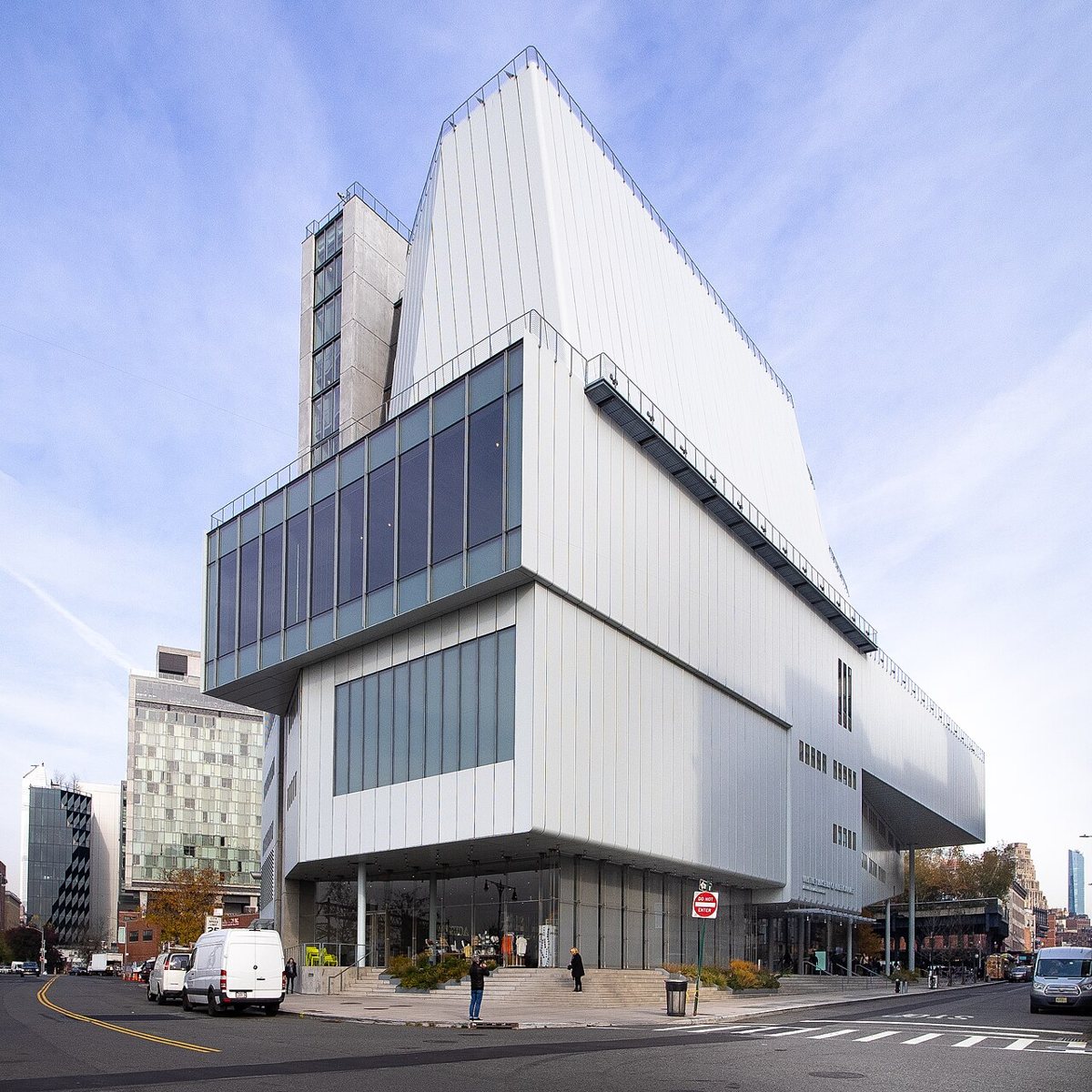
The Whitney's Gansevoort Street building, designed by Renzo Piano, sits at the base of the High Line in the Meatpacking District, and its outdoor terraces looking toward the Hudson River are worth the visit even before you reach the galleries. The collection focuses entirely on American art, with deep holdings in Edward Hopper and a rotating biennial that tends to define which younger artists get talked about for the next two years. The building's stacked terraces mean you're moving between indoor galleries and open-air river views throughout the visit, which makes it feel less like a march through rooms and more like a walk. Weekday evenings, when the museum stays open late, are noticeably calmer than weekend afternoons.

Guggenheim Museum
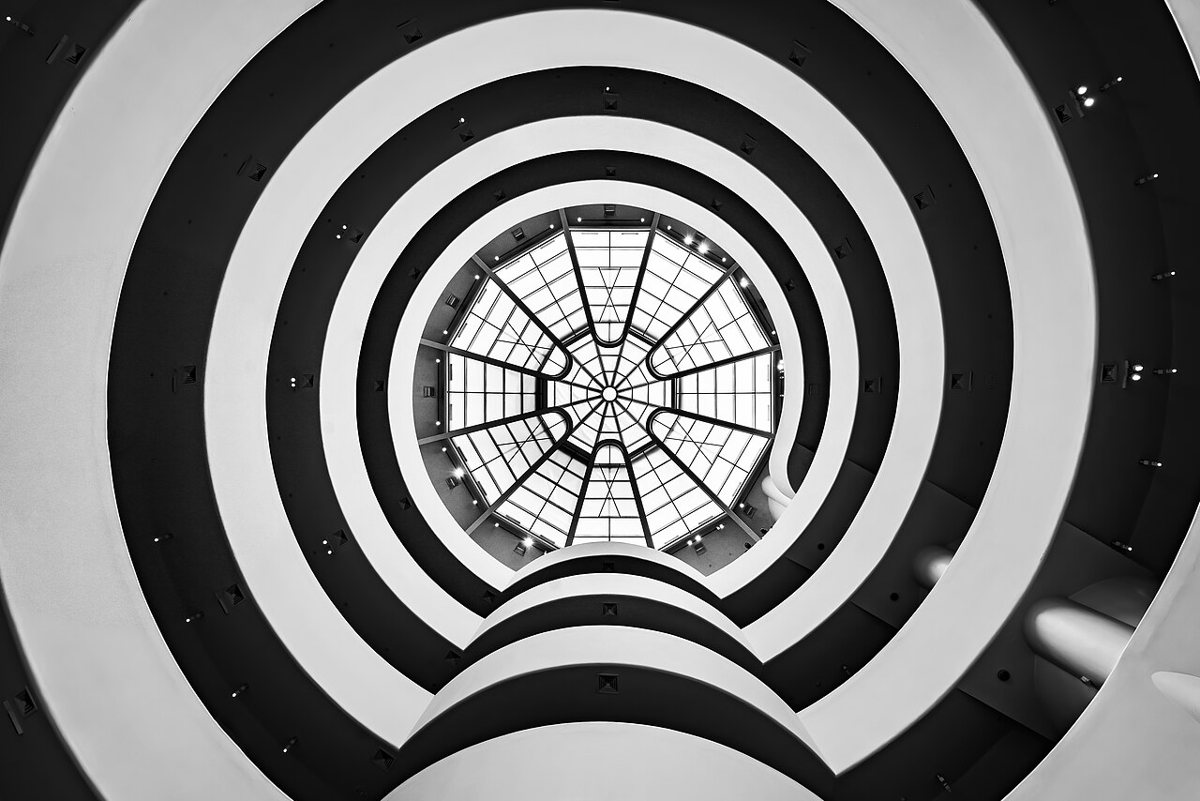
Frank Lloyd Wright's spiral building on Fifth Avenue is, for a lot of visitors, the destination itself, before a single piece of art enters the conversation. The continuous ramp winds up through the rotunda, and the collection leans heavily on Kandinsky, Impressionist and early Modern works, alongside changing special exhibitions that fill the tower galleries. Some longtime New Yorkers find the sloped floors more interesting architecturally than the art hung on them, and that tension is part of the fun. It gets crowded fast because the building itself is a draw, so arriving right at opening avoids the worst of the bottleneck at the base of the ramp. It's on the Upper East Side, a short walk north of the Met, making the two an easy pairing for one heavy museum day.

Brooklyn Doesn't Need Manhattan's Permission
Brooklyn Museum gets filed under "day trip" by people who have never lived here, which misreads the place entirely.
Brooklyn Museum
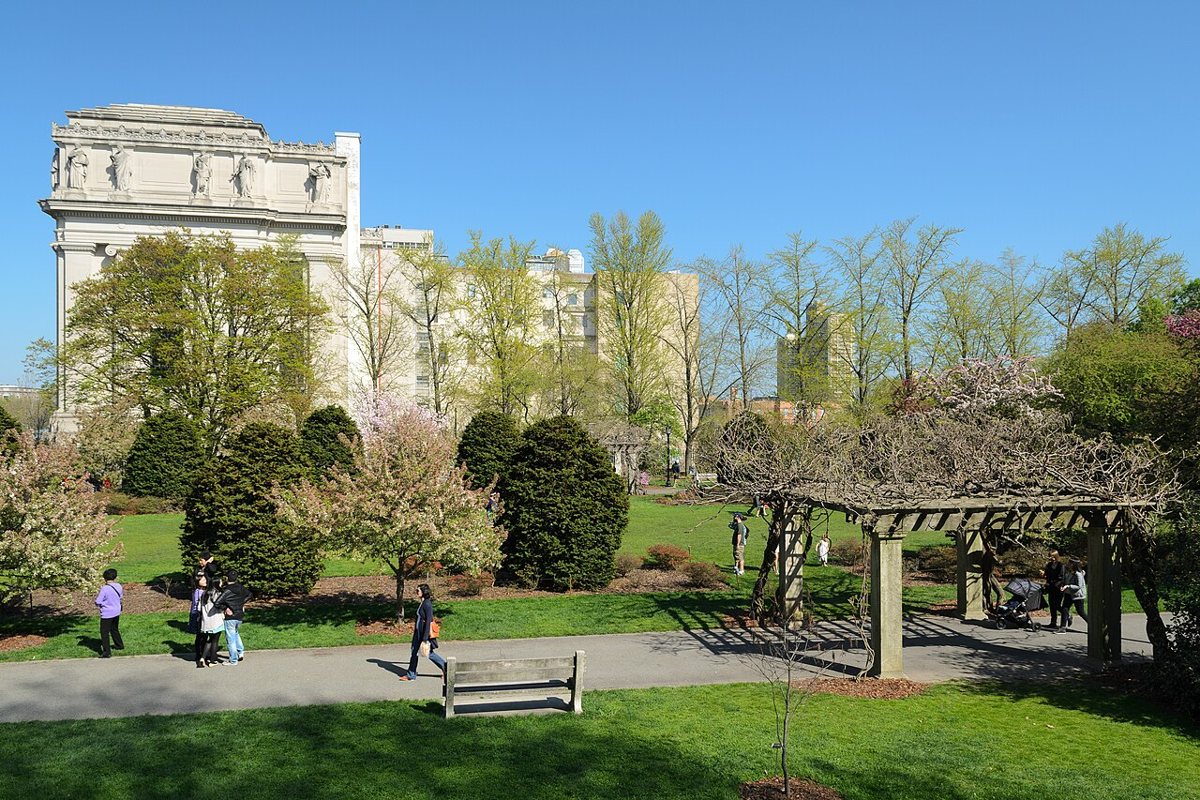
This is the second-largest art museum in New York City, full stop, not a satellite branch of anything in Manhattan. Its Egyptian and Classical collections rival what's uptown, its Judy Chicago-anchored feminist art center is one of the only dedicated spaces of its kind in the country, and the American art galleries trace the country's visual history with less crowding and more room to actually look. The building sits at the edge of Prospect Park in Prospect Heights, and the plaza out front hosts a well-loved outdoor market on weekends that turns a museum trip into a full afternoon. First Saturdays, when the museum runs extended evening hours with music and programming, draw a crowd that looks nothing like a typical Tuesday, so pick your timing based on whether you want quiet galleries or a party. People who grew up in Crown Heights or Flatbush will tell you this was their school field trip museum long before it became anyone's tourist recommendation, and that history shows in how comfortably the building fits into the neighborhood instead of towering over it.

The House Museums: Smaller Rooms, Sharper Focus
Not every great collection needs a building the size of a city block. These three prove a tightly focused, human-scaled museum can hit just as hard.
Frick Collection
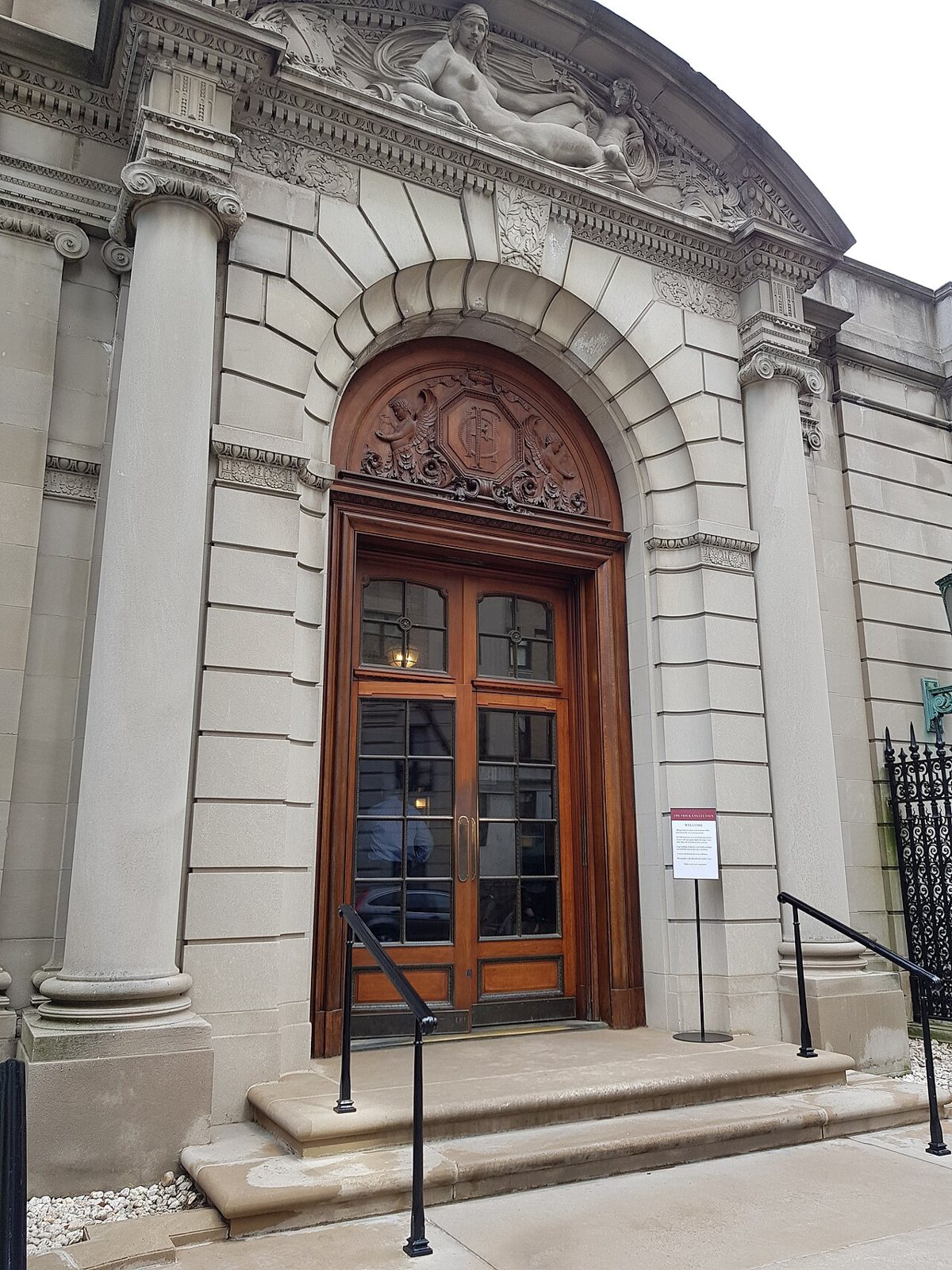
Henry Clay Frick's former Fifth Avenue mansion holds an unusually concentrated collection of Old Master paintings, including Vermeer and Rembrandt alongside Bellini, displayed in rooms that still feel like a home rather than a gallery. The garden court, with its skylight and quiet fountain, is the kind of space that makes people lower their voices without being told to. Because the museum limits how many people move through at once, it never feels like the crush you get at the bigger institutions, and that pacing is exactly the point. It's a short walk from the Met and the Guggenheim, on the Upper East Side, and pairs naturally with either as a lighter second stop.

Morgan Library & Museum
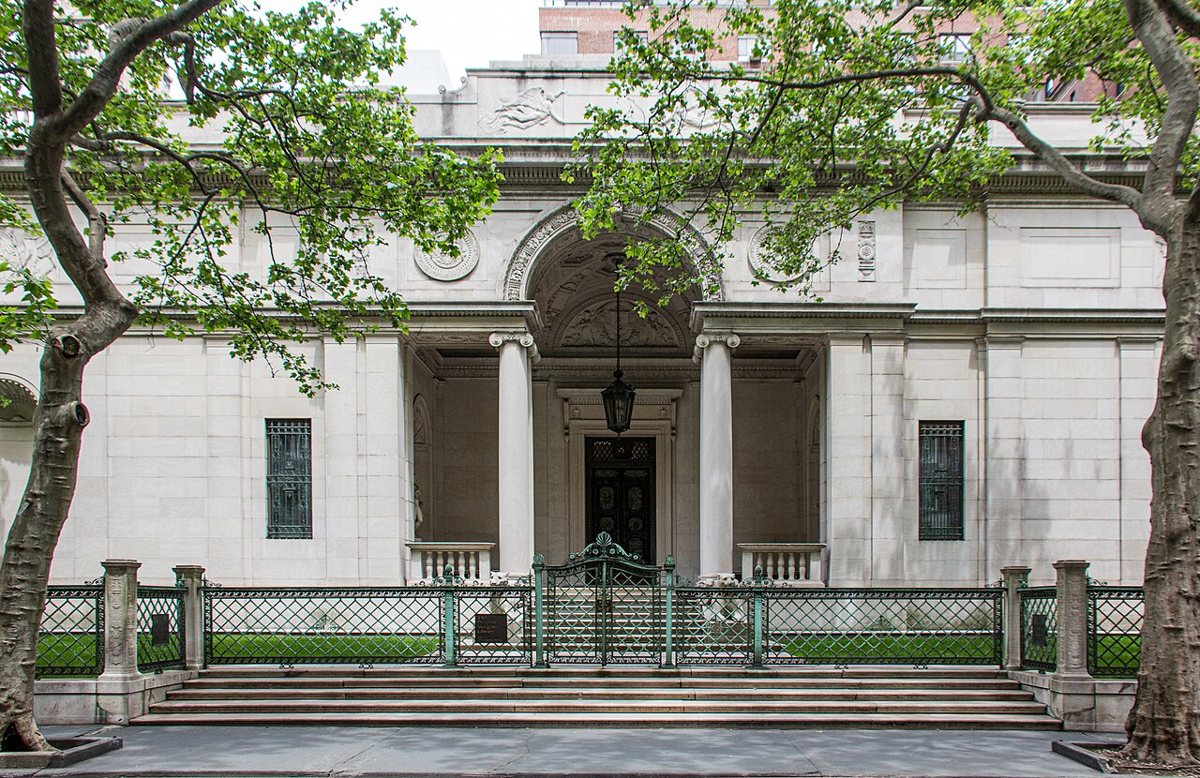
J.P. Morgan's private library, near Murray Hill, holds illuminated manuscripts, a Gutenberg Bible, and literary manuscripts from writers whose handwriting you can actually study up close. The original library room, with its three-tiered bookshelves and painted ceiling, looks less like a museum and more like the private study of someone who never had to compromise on ambition, because he didn't. Special exhibitions rotate through drawings and rare books that rarely travel elsewhere, and the scale of the whole place means a visit rarely takes more than two hours, making it an easy add to a day that includes something bigger. Weekday afternoons tend to be the emptiest window.

The Cloisters
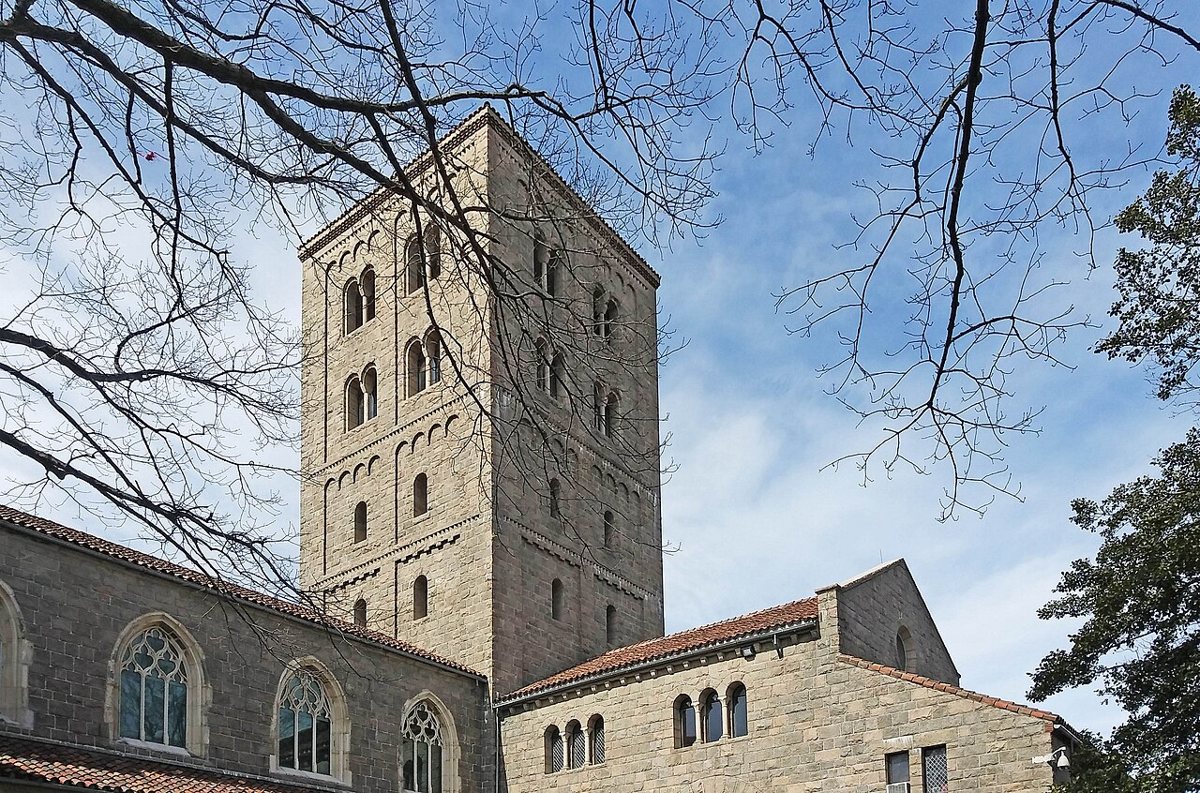
At the northern tip of Manhattan, in Fort Tryon Park, the Met's medieval art branch is built from actual monastic architecture shipped over from Europe and reassembled around cloistered gardens. The unicorn tapestries are the famous draw, but the herb gardens, the stone archways, and the views over the Hudson from the surrounding park make this feel like a day trip rather than a museum visit, even though it's still Manhattan. Getting there takes real effort on the subway or a scenic bus ride, and that distance is exactly why it stays calmer than almost anything downtown. Go in October when the park around it turns and the whole trip becomes as much about the walk as the collection.

History You Can Walk Through
Some of this city's most affecting museums aren't about art at all. They're about the buildings themselves.
Tenement Museum
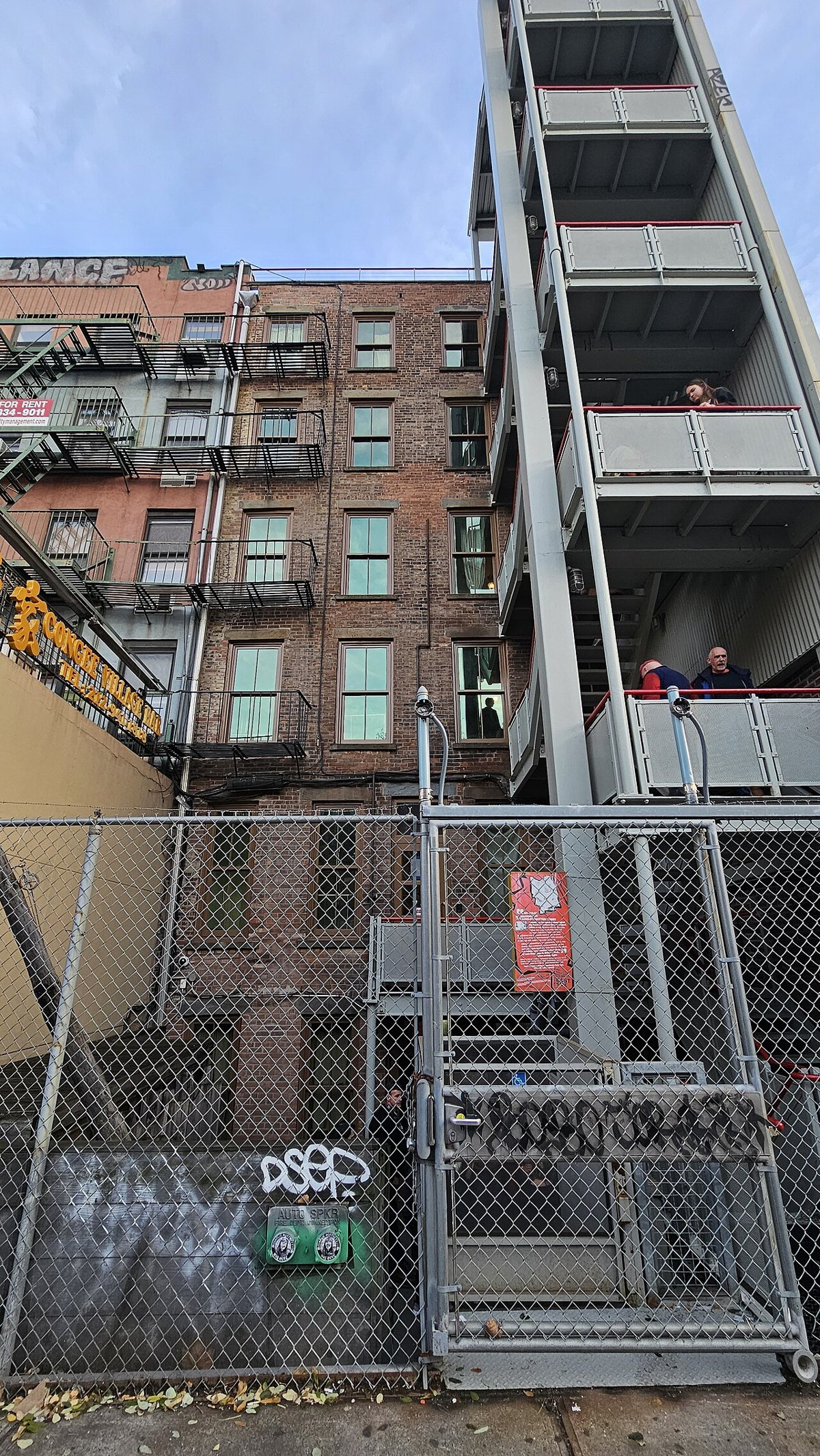
On the Lower East Side, the Tenement Museum operates almost entirely through guided tours of restored apartments inside actual 19th- and 20th-century tenement buildings, recreating the cramped, layered lives of the immigrant families who lived there. There's no wandering galleries at your own pace here; tours are timed and guided, which is genuinely the point, walking through kitchens and bedrooms preserved or rebuilt to match specific families who lived in these exact rooms. It's a sharper, more physical way to understand immigrant New York than any placard-and-painting museum could manage. Tours sell out, especially on weekends, so booking ahead matters more here than at almost any other museum on this list.

Queens and Harlem: The City Beyond Midtown
Manhattan's blockbusters get the tourist buses. These two don't, and that's exactly why they're worth the trip.
Noguchi Museum
In Long Island City, Queens, sculptor Isamu Noguchi converted a former photo-engraving factory into a museum showing his own life's work, and he designed the space himself before his death, so the building and the sculpture argue with each other in exactly the way he intended. The indoor galleries of stone and metal and carved wood open onto an outdoor garden that changes character with the seasons, and the whole museum moves at a pace no Manhattan institution can match, because almost nobody rushes through it. It's a short walk from the Queensboro Bridge and near Socrates Sculpture Park, so the two make a natural pairing for an outer-borough art afternoon that most first-time visitors never think to plan.
Studio Museum in Harlem
The Studio Museum has spent decades as the anchor institution for contemporary art by artists of African descent, and its influence on how American museums collect and show Black artists reaches well past its own walls on West 125th Street. Its Artist-in-Residence program has launched careers that later show up in the Whitney and MoMA collections, which makes a visit here feel less like catching up on history and more like watching where the next wave is coming from. The museum has operated out of a temporary space during a major rebuild of its home building, so checking the current location before heading up is worth the extra minute. Harlem itself rewards the trip regardless, with its own restaurants and architecture worth building an afternoon around.

Getting Around, Timing It Right, and What "Pay What You Wish" Actually Means
New York's museums are spread wide enough that trying to hit three in one day, across boroughs, usually backfires. A smarter approach groups museums by neighborhood: the Upper East Side cluster (Met, Guggenheim, Frick) can realistically be two stops in one day; Brooklyn Museum pairs well with a Prospect Park walk; the Cloisters and Noguchi Museum each deserve their own dedicated half-day given the travel involved.
- Subway is almost always faster than a car in Manhattan and Brooklyn during museum hours; check the specific line for each museum before leaving, since transfers add up quickly across boroughs.
- Weekday mornings, right at opening, are consistently the least crowded window across nearly every museum on this list, above all at the Met and MoMA.
- Several museums offer suggested donation, pay-what-you-wish, or free admission during specific windows, but these policies shift, so check current admission policy directly on each museum's website before a visit rather than relying on secondhand information.
- Membership passes at MoMA, the Whitney, or the Met can pay for themselves within two or three visits if a longer stay in the city is planned, and they typically include early or after-hours access.
- Coat check and bag policies vary widely, and several museums restrict large bags entirely, so traveling light saves real time at the entrance.
Worth knowing too: this list only scratches what's out there. The New Museum keeps the Bowery honest with contemporary shows that move fast and take real risks. The Museum of the City of New York and the Neue Galerie both sit along the same Upper East Side stretch as the Met, one tracing the city's own civic history, the other holding a tight, exceptional collection of German and Austrian art including major Klimt paintings. Downtown, the 9/11 Memorial & Museum handles its subject with a gravity that sets it apart from every other institution here, and it deserves an unhurried visit rather than a stop squeezed between two lighter destinations. None of these needed a full section to earn a place on any serious New Yorker's list. If a weekend trip includes a meal after, a proper dinner nearby rounds out the day better than rushing to a fourth museum.
The Bottom Line
People who visit once and call the Met, MoMA, and the Guggenheim "New York's museums" aren't wrong, exactly. They're just working with a fraction of the picture. The city's real strength is how differently these institutions behave from one another: the Met wants a full day, the Frick wants ninety unhurried minutes, the Tenement Museum wants your full attention on a fixed schedule, and the Noguchi Museum wants you to slow down entirely. Pick two or three that match the kind of day you actually want, not the ones that show up first on someone else's list, and build outward from there. Locals who have lived here for decades still make return trips to institutions they think they already know, because a museum this size never really finishes revealing itself in one visit, or even in twenty. That's how this city's museums are meant to be used, borough by borough, on your own terms, with the outer boroughs treated as the main event rather than an afterthought tacked onto a Manhattan weekend.