Best New Restaurants in New York: A Local's Guide
Finding the best new restaurants in New York means chasing openings across five boroughs before the write-ups land, not waiting for a headline in Manhattan.
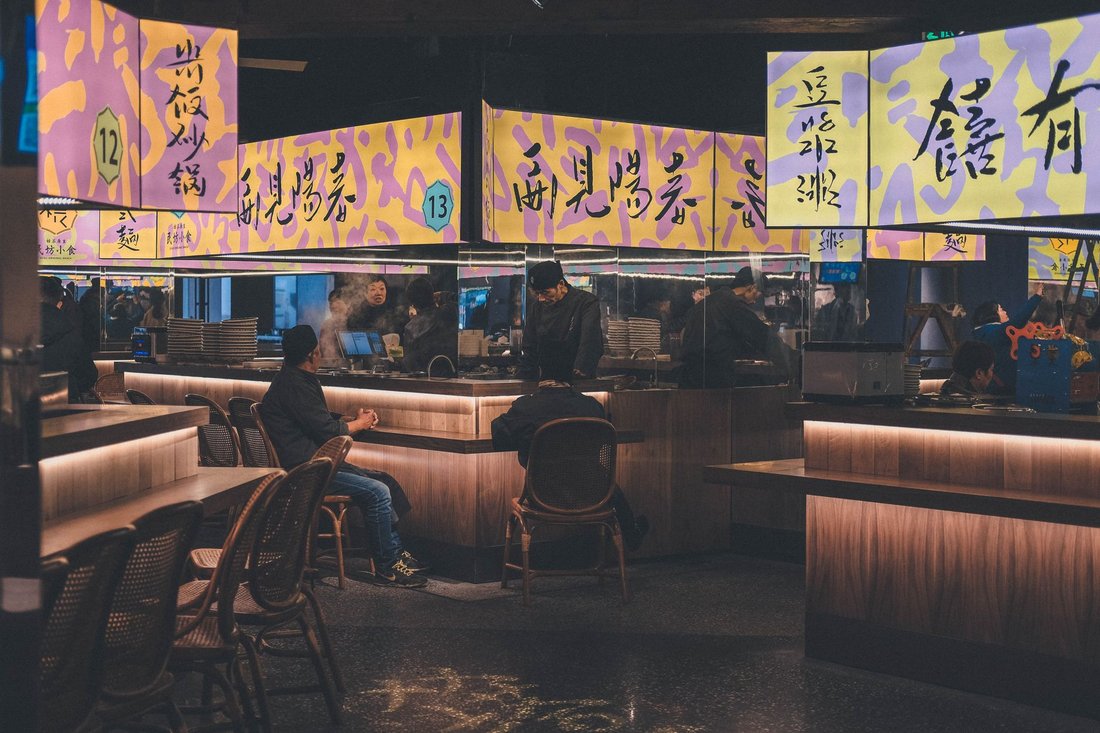
Nine o'clock on a Tuesday and the plan was three stops. A bar counter in Astoria that had just started running small plates alongside the ouzo. A noodle counter in Sunset Park that still smelled like fresh paint. A wine bar in Bed-Stuy, open eleven days, no sign up yet, just a taped piece of paper with the hours. That's the actual job of finding the best new restaurants in New York. Not waiting for a headline. Showing up while the paint is still wet, riding the train from one borough's opening week into another's, comparing notes with a bartender about what just opened two blocks from where they used to work.
Manhattan gets the press releases. The rest of the city gets the restaurants. A serious search for what's new starts with the assumption that Queens, Brooklyn, the Bronx, and Staten Island are opening just as much, just as fast, and often better, because rent pressure and immigrant entrepreneurship have always driven this city's food forward more than any tasting menu in Chelsea.
Finding the Best New Restaurants in New York Before Everyone Else Does
Locals don't discover new restaurants through roundups. They notice construction paper over a storefront window on a block they walk every day. They watch which liquor license notices get taped to lampposts. They hear it from a line cook who's leaving one kitchen to help open another. This is slower than scrolling a list, and it's the only method that actually works, because by the time a place is famous enough to appear on ten different sites at once, the opening-week kitchen has already changed twice.
The geography matters as much as the method. Astoria keeps producing Greek and broader Mediterranean spots that don't need to perform for anyone, because the neighborhood already knows what good tastes like. Jackson Heights, as diverse a stretch of ground as there is anywhere, turns over new Latin American, South Asian, and Southeast Asian counters constantly, most of them announced by nothing more than a hand-lettered sign. Flushing keeps expanding what dim sum and regional Chinese cooking can mean in this city, often ahead of what gets written about it. Washington Heights does the same for Dominican food. The South Bronx and Arthur Avenue keep their own steady rhythm, old-guard red sauce next to newer arrivals that respect what came before instead of ignoring it. None of this requires a reservation app. It requires walking the actual street.
Anyone building a real map of what's new should be spending as much time on the Queens food scene as on anything south of 14th Street. The borough openings usually cook harder for the money, because there's no midtown lunch crowd subsidizing the rent.
How to Tell a Good New Spot From Hype
A short, edited menu is a better sign than a long one. New kitchens that know what they're doing pick a handful of dishes and get them right instead of trying to prove range in week one. Watch who's actually eating there past the first month. Opening week draws people chasing a post. Week six draws the neighborhood, and the neighborhood doesn't tip generously for mediocre food out of politeness.
Price should track the block, not the algorithm. A new restaurant charging Manhattan tasting-menu prices in a neighborhood that's never supported that kind of spending is either about to fail or about to alienate the people who'd otherwise become regulars. The ones that last tend to price for the neighborhood they're actually in.
Some other signals worth trusting over a five-star average from opening week:
- An open kitchen where the same cooks are working service after service, not a rotating cast
- A staff that can talk about the neighborhood, not just the wine list
- A line made up of families and regulars rather than people holding phones up before they've taken a bite
- A kitchen that's willing to say a dish sold out instead of padding the menu with filler
- Consistency between a Tuesday lunch and a Saturday dinner, which says more than either one alone
When to Actually Go
Skip week one entirely. Kitchens are still finding their rhythm, servers are still learning the floor plan, and the reviews that come out that fast are reviewing chaos, not food. Week three or four is usually the sweet spot, once the line cooks have run the same ticket enough times to stop thinking about it.
Weekday lunch is the most honest test of a new restaurant. No hype crowd, no six-deep bar, just the kitchen doing its actual job at half capacity. If the fundamentals hold up then, they'll hold up on a packed Friday too. This is the same logic that applies to judging a legacy spot. Nobody needs a press release to confirm that a classic slice still works after forty years; the fold tells you everything. New restaurants earn that same trust the same way, one unremarkable Tuesday at a time, not one glossy opening-night photo.
Worlds, Not a List
The mistake most guides make is treating New York like it has one food scene with one center of gravity. It has dozens, and they run on different clocks. A new Greek taverna in Astoria answers to a different set of expectations than a new natural wine bar in Bushwick or a new hand-pulled noodle spot in Flushing. Chasing the best new restaurants in New York means accepting that there's no shortcut that covers all of it at once, and that a subway ride is still the best research tool the city offers.
The real takeaway is simple: read less about restaurants and walk more blocks. The best new openings in this city rarely announce themselves loudly, and the ones that do are usually not the ones still open in a year. Trust the kitchen that's still working hard on an ordinary Tuesday, not the one that only shows up well on a screen.