Best Italian Restaurants in New York You'll Actually Love
Italian food in New York is not one tradition but several, spread across a hundred years and a few dozen neighborhoods.
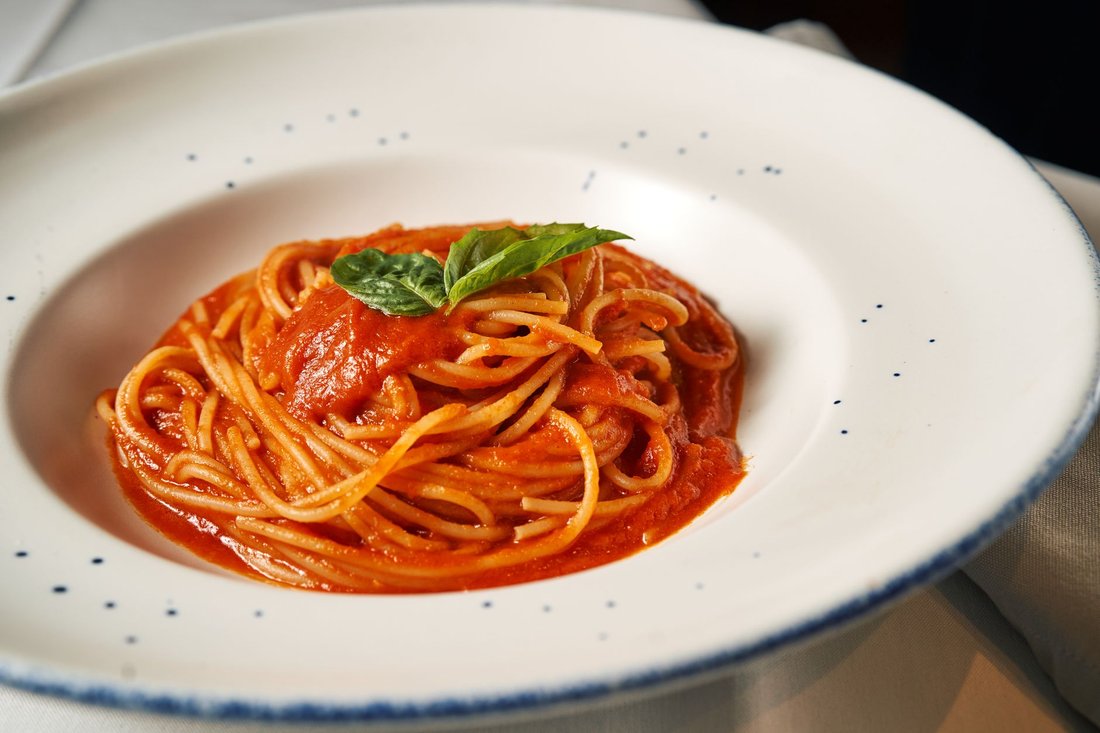
The argument starts before you sit down. Someone at the table insists the best Italian food in New York died with their grandmother, someone else swears by a place in Carroll Gardens they've been going to since college, and a third person won't stop bringing up a trip to Bologna. All three of them are, in their own way, correct. This city does not have a single Italian food tradition. It has several overlapping ones, each rooted in a different wave of immigration, a different borough, a different set of loyalties. Finding the best italian restaurants in new york means accepting that the category spans about a hundred years of history and a few dozen neighborhoods.
What the Best Italian Restaurants in New York Actually Have in Common
Forget stars and press. The restaurants worth your time share a few qualities that have nothing to do with how they photograph. The pasta is made that day or within a few days. The menu is short enough that you suspect everything on it is actually good. The room has some age to it, or at least some conviction. The server knows the food. And somewhere in the kitchen, someone cares whether the sauce breaks.
Beyond that, the markers shift depending on which tradition you're eating from. Old-school red-sauce Italian-American is a different discipline from contemporary Roman cooking, which is different again from southern Italian seafood or Sicilian street food. Treating them as one thing, ranking them against each other, is the kind of mistake a tourist makes.
The Bronx: Where the Tradition Is Oldest and Least Performative
Arthur Avenue in the Belmont neighborhood of the Bronx is the place serious eaters point to when they want to locate the Italian-American tradition at its most intact. The butchers, the bakers, the pasta shops, the retail market inside the covered hall: the infrastructure that once supported Italian households across multiple boroughs mostly vanished elsewhere. Here it held. The restaurants on and around Arthur Avenue are not trying to be anything other than what they are, which is exactly the point. You eat well, you pay a reasonable amount, and you do not need a reservation three weeks out.
The dish to order in this world is whatever comes with Sunday gravy, the long-cooked tomato sauce with braised meat, served over rigatoni or a cut the cook prefers. It is not subtle. It is not supposed to be.
Manhattan: The West Village and the Contemporary End
The West Village has more Italian restaurants per block than almost anywhere else in Manhattan, and the quality range is enormous. The neighborhood attracts both serious operations and expensive tourist traps, sometimes in adjacent storefronts. The tell: look at what the pasta costs relative to everything else on the menu, and look at whether the kitchen is running a seasonal special that isn't also listed on twelve other menus nearby. Restaurants doing real work change things when ingredients change.
Contemporary Italian cooking in New York, the kind shaped by the past twenty years of American chefs actually going to Italy and working there, shows up most consistently in the West Village and in parts of the East Village that haven't been fully turned over to bars. This is handmade pasta in formats you might not recognize, aggressively seasoned vegetables, careful sourcing, wine lists built around small producers. It is good. It is also expensive in a way the Bronx is not, and you should know what you're paying for.
For a deeper look at how New York's food neighborhoods are shifting, see our guide to the city's best pizza by borough.
Brooklyn: The Neighborhood Version
Carroll Gardens and Cobble Hill still have the bones of the old Italian-American Brooklyn, though the demographics have shifted. What remains are a handful of restaurants that have been in operation long enough that the neighborhood grew up around them, changed, and started coming back in a different form. These places are worth finding. They don't pursue press, and they've been reviewed to death by people who discovered them fifteen years ago and then moved on.
Elsewhere in Brooklyn, in Bed-Stuy, in Crown Heights, even in parts of Bushwick, you'll find a newer category of Italian-ish restaurant: small, independent, often natural-wine-forward, with menus that draw on Italian cooking as a framework rather than a rulebook. Some of it is very good. Some of it is a wine bar that happens to make pasta. Both can be fine depending on what you want.
What to Order, and How to Think About It
In red-sauce Italian-American, start with something fried, move to pasta, and consider the veal or the chicken parm if the room is the kind of room where people have been ordering it for forty years. Skip the salad unless someone insists.
In contemporary Italian, trust the pasta course above everything else. Order the vegetable dishes, since they're usually where the kitchen is showing off. The desserts are often an afterthought; the cheese course, if offered, rarely is.
In both traditions, ask what came in. A restaurant that changes the menu based on what arrived that morning is paying attention. Brooklyn's food scene rewards this kind of legwork more than most.
The Honest Truth About Lists
Any ranked list of Italian restaurants in New York is, within about eighteen months, partially wrong. Places close. Chefs leave. A restaurant that was essential three years ago can coast, and something that opened quietly in Astoria or Jackson Heights can become the most interesting thing in the borough before anyone writes a long feature about it. The more useful skill is knowing what to look for: the short menu, the daily pasta, the server who can actually tell you what's in the braise. Those signals hold up longer than any ranking.
New York's Italian food is worth arguing about. That's the point.