Best Hikes near New York You Shouldn't Miss
Twelve real trails across four states, from the scramble everyone's heard of to the quiet ridge nobody mentions, sorted by how you'll get there and the kind of day you want.
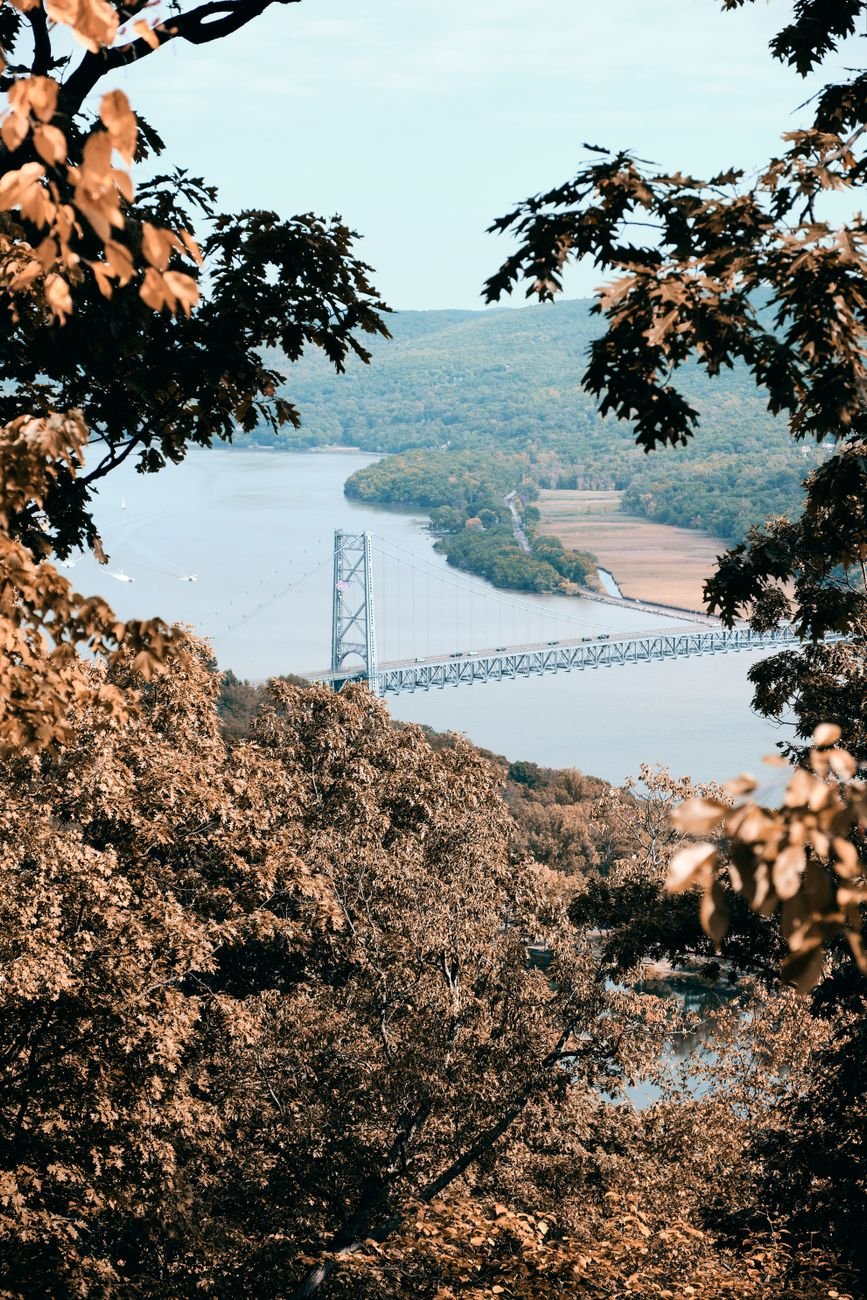
By 8 a.m. on a clear Saturday, the northbound platform at Cold Spring station is already a scrum of hiking boots and trekking poles, half the crowd having sprinted off the same train out of Grand Central. Twenty minutes later they're strung out single file up a wall of exposed rock, hauling themselves toward a view of the Hudson that has nothing to do with skyline and everything to do with river cutting through mountain. This is the case for the best hikes near New York in one image: you don't need a car, a guide, or a week off. You need a train ticket, a full water bottle, and the will to leave Manhattan behind for a day.
Ask ten New Yorkers where to hike and you'll get answers scattered across four states, because that's the honest shape of it. These hikes aren't clustered in one spot. They run up both banks of the Hudson, deep into Harriman's sprawling forest, along the cliffs of the New Jersey Palisades, and out to the Shawangunk Ridge that everyone local just calls the Gunks. Some are reachable in an hour by train. Others take a rental car and a full day, and are worth it as an easy day trip from the city. Here's the whole map, organized the way people who actually do this every weekend think about it: by region, then by who it's for.
The Hudson Highlands: Where Most New Yorkers Start
The Hudson Highlands, roughly an hour north of the city by Metro-North, are where the Hudson River carved through a mountain range instead of around it, and the result is the closest thing to genuine mountain scenery on a direct commuter line. This is the region behind most of what people picture when they search for the best hikes near New York, and for good reason.
Breakneck Ridge
Breakneck is the one everyone's heard of, and the crowds prove it. It's a steep, hands-on rock scramble up an open ridge in Hudson Highlands State Park, with river views that open up almost immediately and keep getting better. It is not a stroll. Expect to use your hands on real rock within the first fifteen minutes, and expect company, especially on fall weekends. The payoff is a string of overlooks down onto the river, the railroad, and Storm King across the water. Do it early on a weekday if you can, or descend via the Notch/Undercliff side rather than backtracking down the scramble, which gets dangerously congested when two-way traffic tries to share a rock face. Metro-North's Hudson Line runs a seasonal weekend stop right at the trailhead; otherwise it's a walk up Route 9D from Cold Spring.
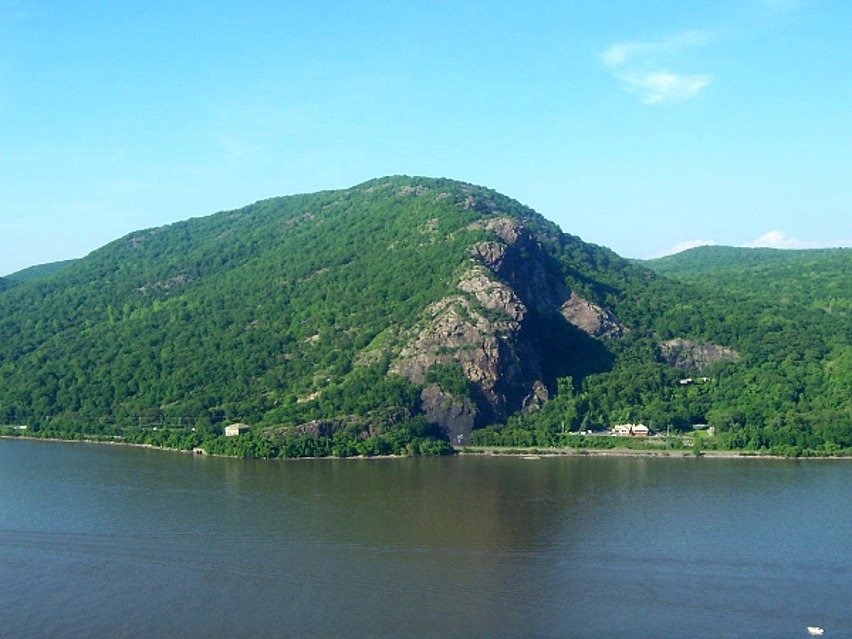

Bear Mountain State Park
Bear Mountain is the grand old dame of the region, a full state park with a stone tower at the summit, a lake, a small zoo, and a genuinely storied piece of the Appalachian Trail running straight through it. It's more built-out than Breakneck, more forgiving underfoot, and better for a group with mixed fitness levels. Climb to Perkins Memorial Tower for a 360-degree view that takes in the river, the bridge, and on a clear day the skyline itself, small and distant to the south. The insider move is to pair it with a walk across the Bear Mountain Bridge to Anthony's Nose for a two-summit day. Buses run direct from Port Authority on weekends and holidays; by car it's the Palisades Interstate Parkway.
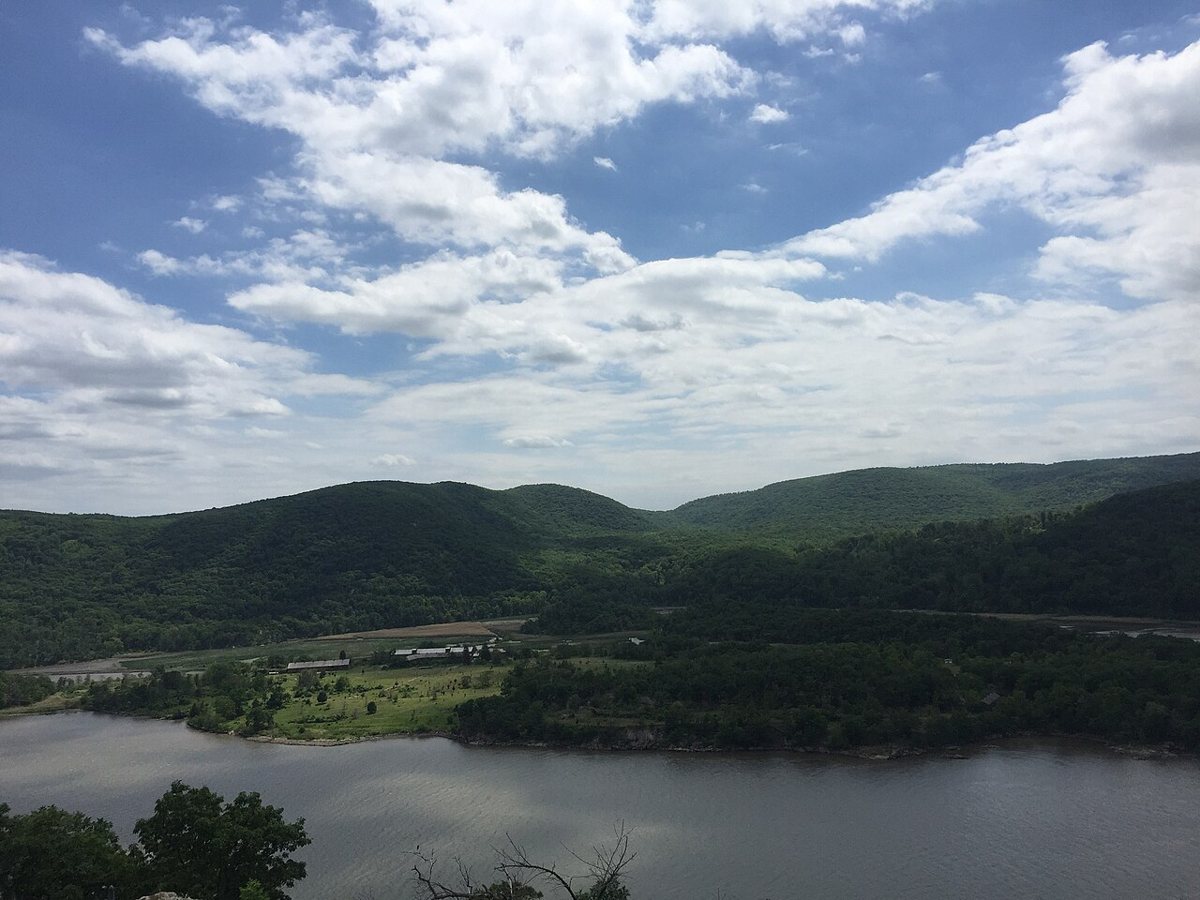

Anthony's Nose
Directly across the river from Bear Mountain, Anthony's Nose gets a fraction of the foot traffic and hands you arguably the better photo: the Bear Mountain Bridge itself, arcing over the water below. It's a shorter, steeper climb than its famous neighbor, and it rewards people who want a real workout without committing a whole day to it. Access is via the Appalachian Trail from the Bear Mountain Bridge walkway, or from a small pull-off on Route 9. Go in late afternoon for the light on the water. The Manitou stop on the Hudson Line is a flag stop, meaning you have to signal the conductor to get off, which locals know and out-of-towners often don't.
Cold Spring and Hudson Highlands State Park Preserve
Cold Spring itself is worth the trip before you've even hit a trail: a walkable river village with antique shops and a promenade that locals treat as a warm-up lap. It's also the launch point for Mount Taurus, sometimes called Bull Hill, a less crowded alternative to Breakneck with comparable Hudson views and a fraction of the crowd. Little Stony Point, right on the river just north of the village, is a flat riverside spot to picnic or swim before or after a harder climb. Consider Cold Spring the low-stress base camp for the whole Highlands region, and the Metro-North station drops you in the middle of it.
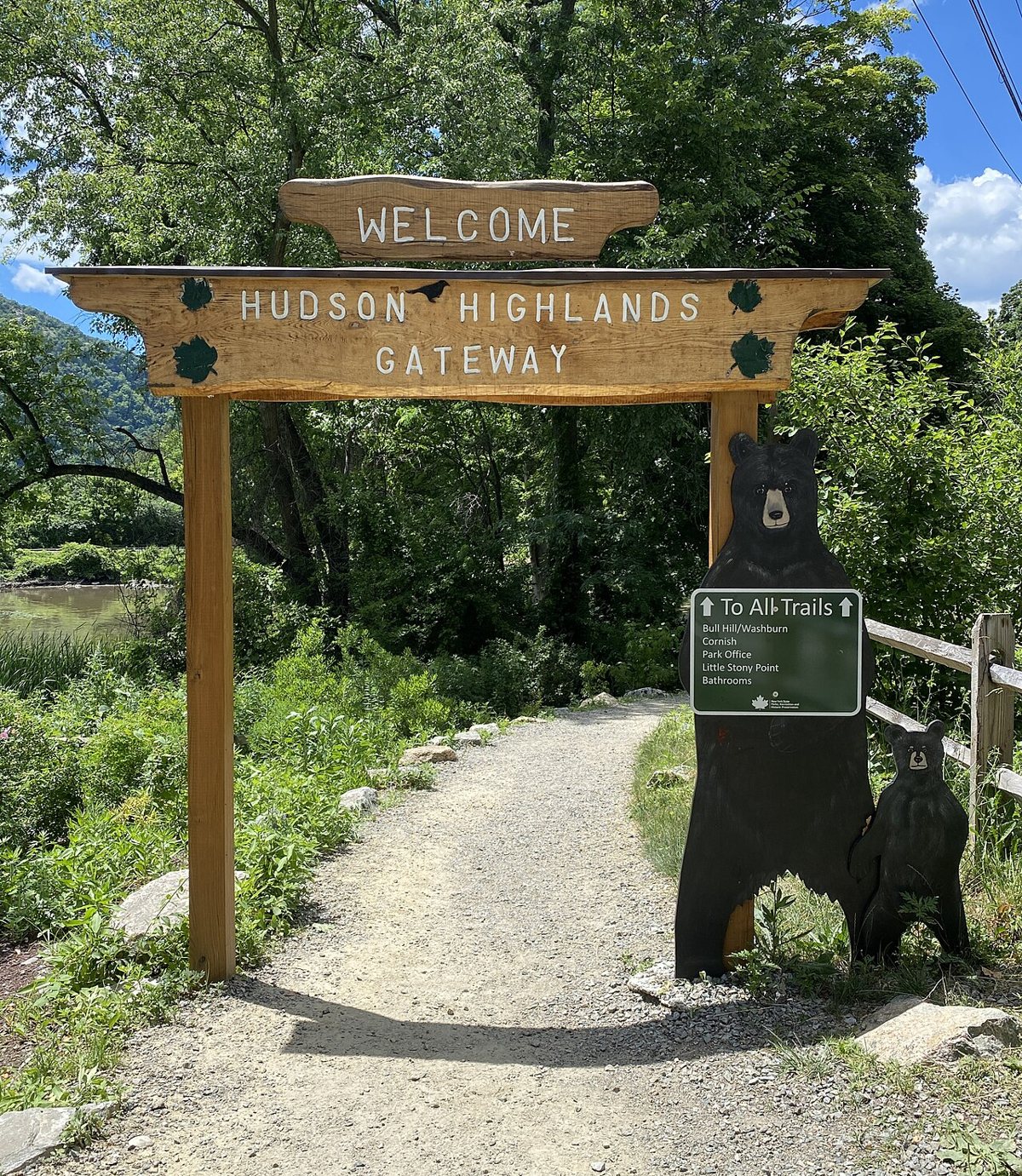

Fahnestock State Park
Fahnestock is what Breakneck would be without the crowds: a big, quiet state park a bit further from the train, built around Canopus Lake, with a network of trails that includes a stretch of the Appalachian Trail. Summer brings swimming at the lake beach and canoe rentals; the rest of the year it's just a good place to walk for hours without seeing the same twenty people you passed at the Breakneck trailhead. It's harder to reach without a car, since it sits a few miles east of the Cold Spring station, but a short taxi or rideshare closes that gap. Locals treat it as the reward for owning a car or having a friend who does.
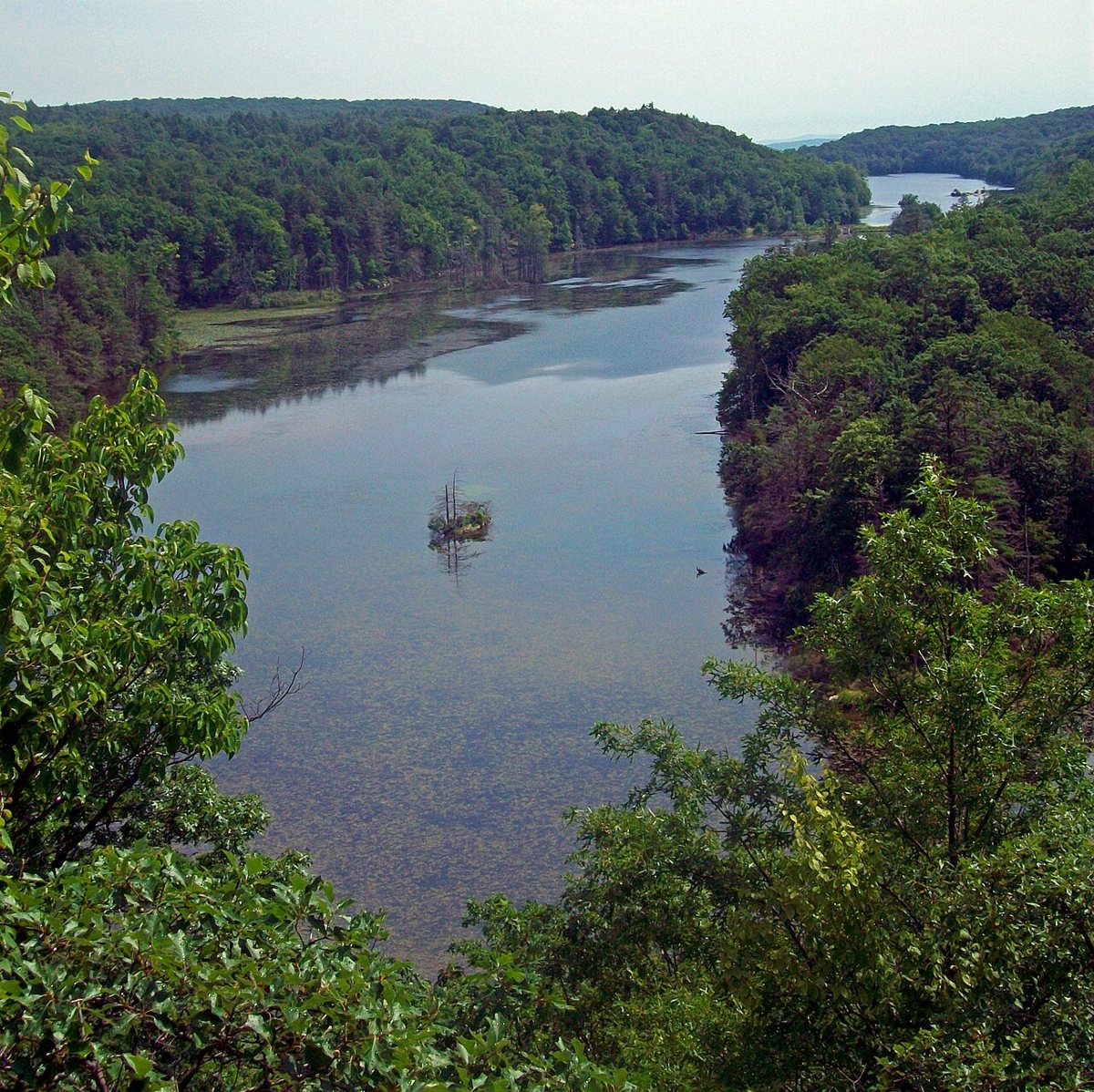

Harriman and Sterling Forest: The Big Wilderness West of the River
Cross to the west side of the Hudson and the scale changes entirely. Harriman State Park alone covers ground measured in tens of thousands of acres, laced with old carriage roads, glacial lakes, and enough trail junctions that a paper map or a downloaded offline route actually matters here.
Harriman State Park
Harriman is the size of a small wilderness, one of the largest parks in the entire state system, and it swallows crowds the way Breakneck never could. Lake Tiorati and Lake Sebago anchor swimming and picnic areas in summer, while the interior trails climb past glacial erratics and old iron-mining ruins that most hikers walk right past without noticing. Treat it as a park to explore in pieces over multiple visits rather than conquer in one trip. Trail blazing is inconsistent in spots and cell service disappears fast, so bring a real map. Coach buses run to trailhead towns like Sloatsburg and Tuxedo, and it also connects directly to Bear Mountain on foot for anyone building a longer traverse.

Sterling Forest
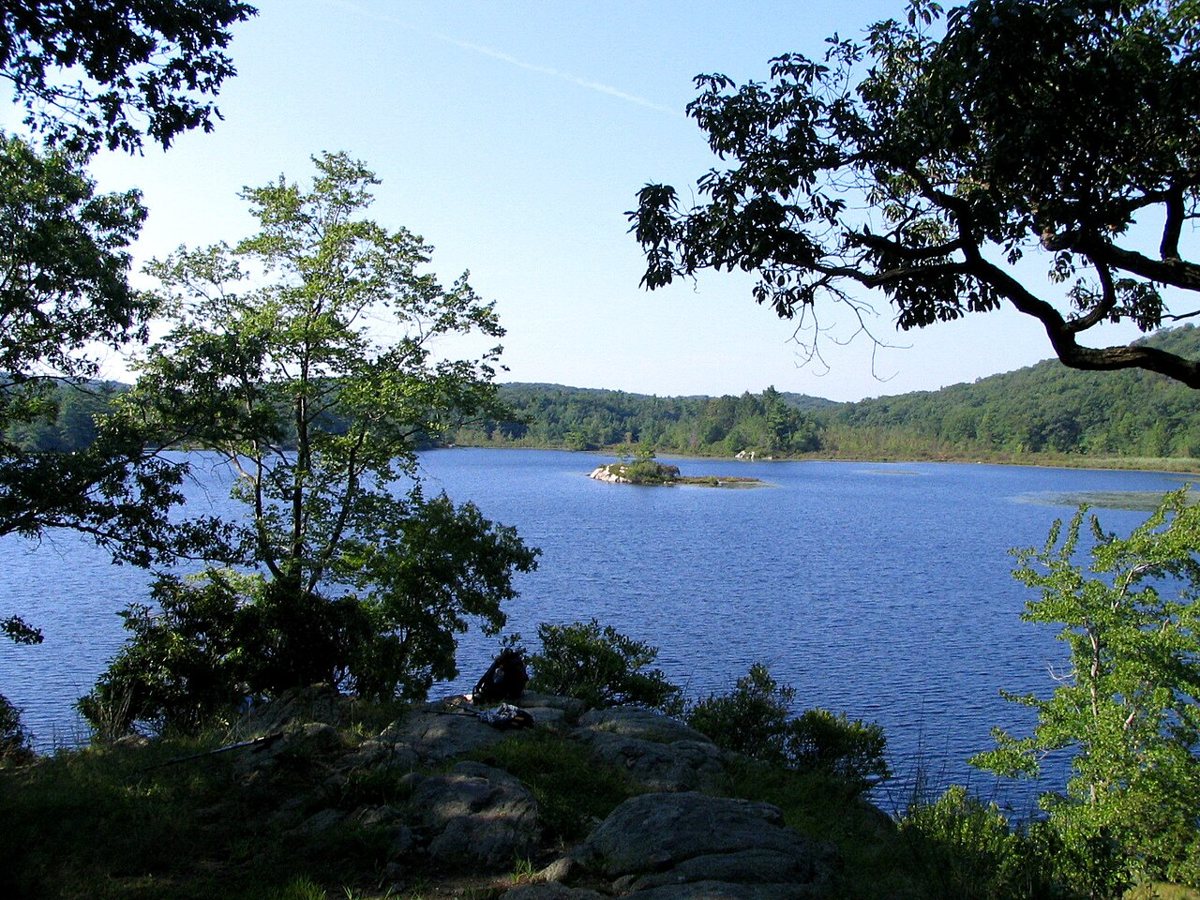
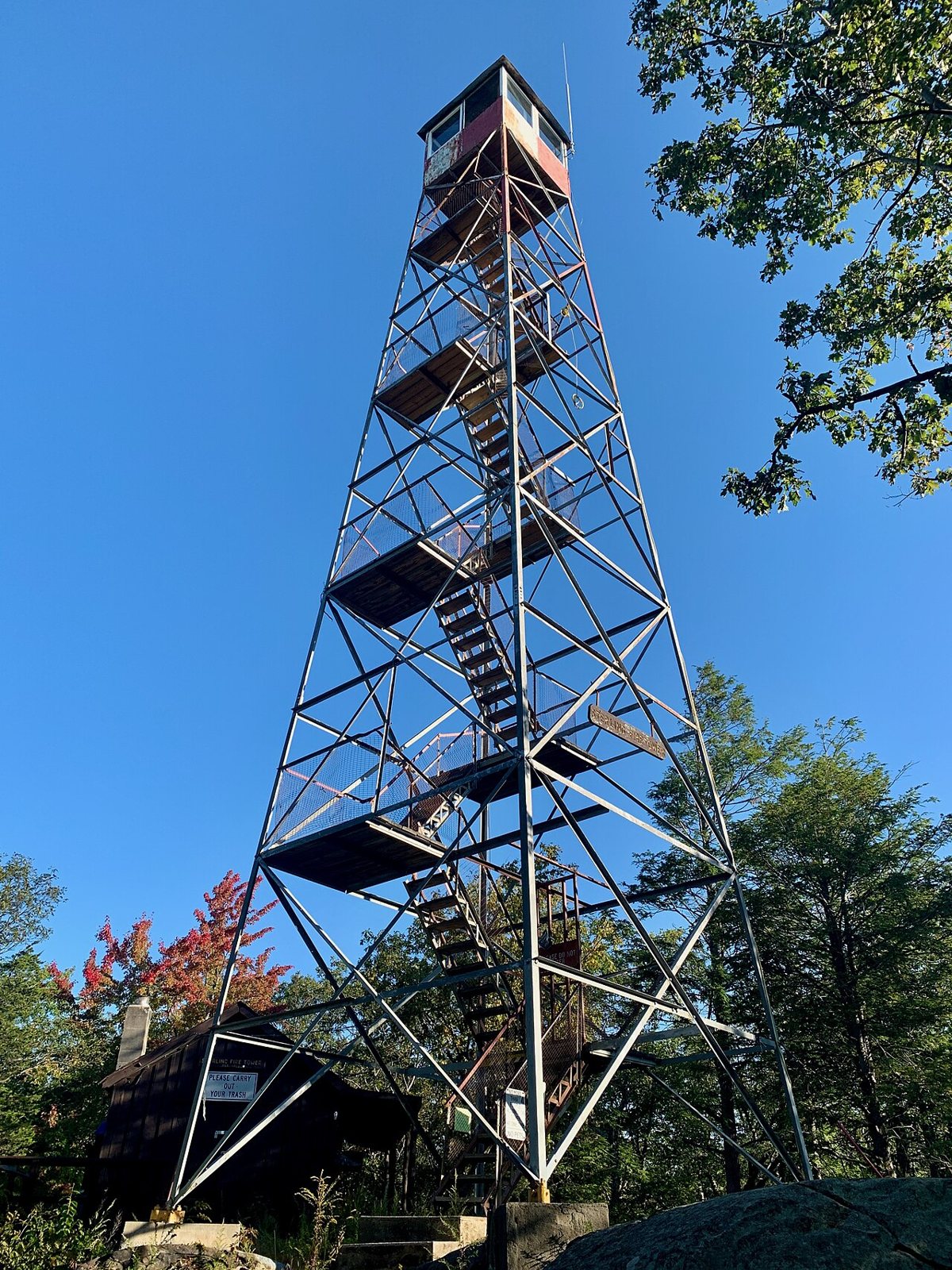
Sterling Forest sits just west of Harriman, straddling the New York-New Jersey line, and gets overlooked by exactly the people who'd love it: hikers tired of parking-lot scrums. Sterling Lake anchors the park, and a fire tower along one of the ridgelines delivers a view that easily rivals its more famous neighbors. Spring is the strongest season here, when the understory fills with wildflowers before the tree canopy closes in. It's a car-trip destination more than a transit one, though Short Line buses reach Tuxedo with a longer walk-in from there.

The Gunks: Cliffs, Sky Lakes, and the Longest Views in the Region
Keep heading up the Hudson Valley and you hit the Shawangunk Ridge, the white conglomerate cliff band everyone who climbs or hikes here just calls the Gunks. It's further out, roughly a two-hour drive, but it delivers scenery that flatly doesn't exist closer to the city: sky lakes, waterfalls, and cliff-edge views over the entire Hudson Valley.
Minnewaska State Park Preserve
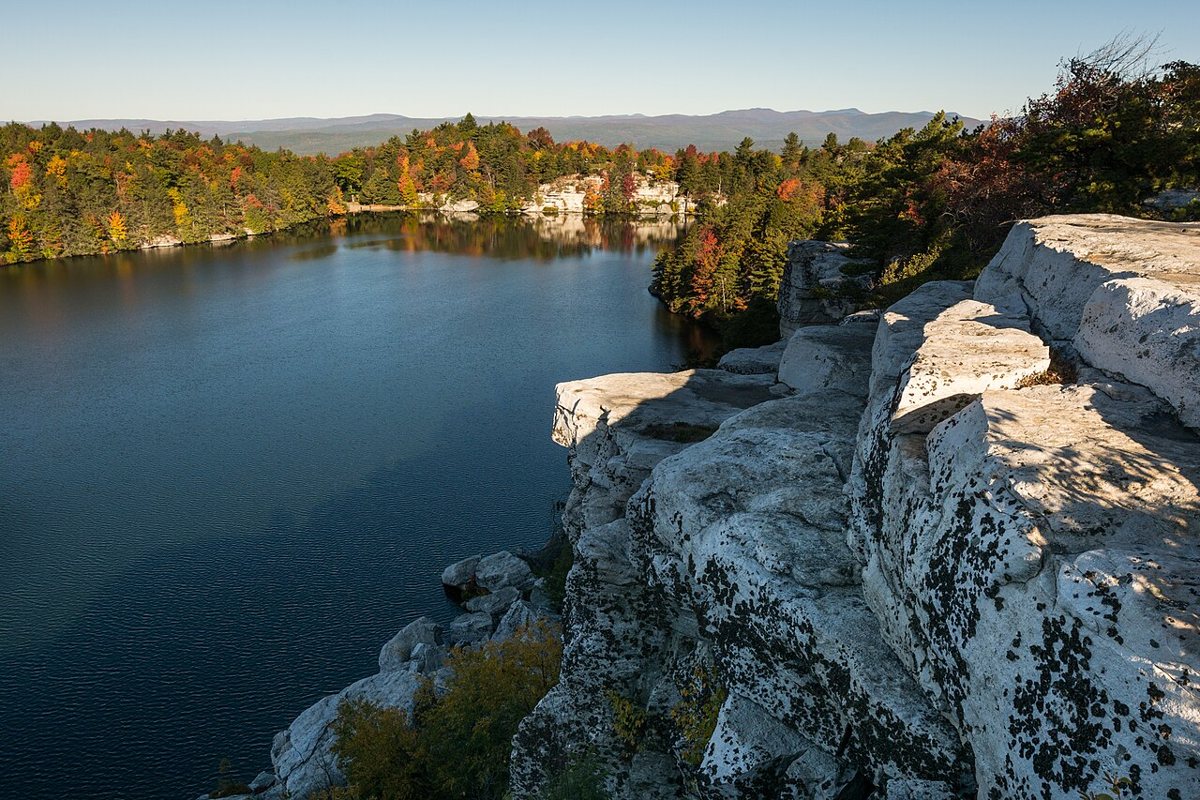
Minnewaska centers on two glacial "sky lakes," Lake Minnewaska and Lake Awosting, both clear enough to swim in season and both ringed by cliffs that make the whole scene look imported from somewhere with a bigger tourism budget. Wide, smooth carriage roads make big chunks of the park accessible without technical hiking, while spur trails drop down to Awosting Falls for anyone who wants a payoff without a summit push. Renting a bike at the entrance is the local trick for covering more of the carriage road network than your legs would manage in a day. There's no direct transit; it's a drive, or a bus to New Paltz followed by a rideshare.

Mohonk Preserve
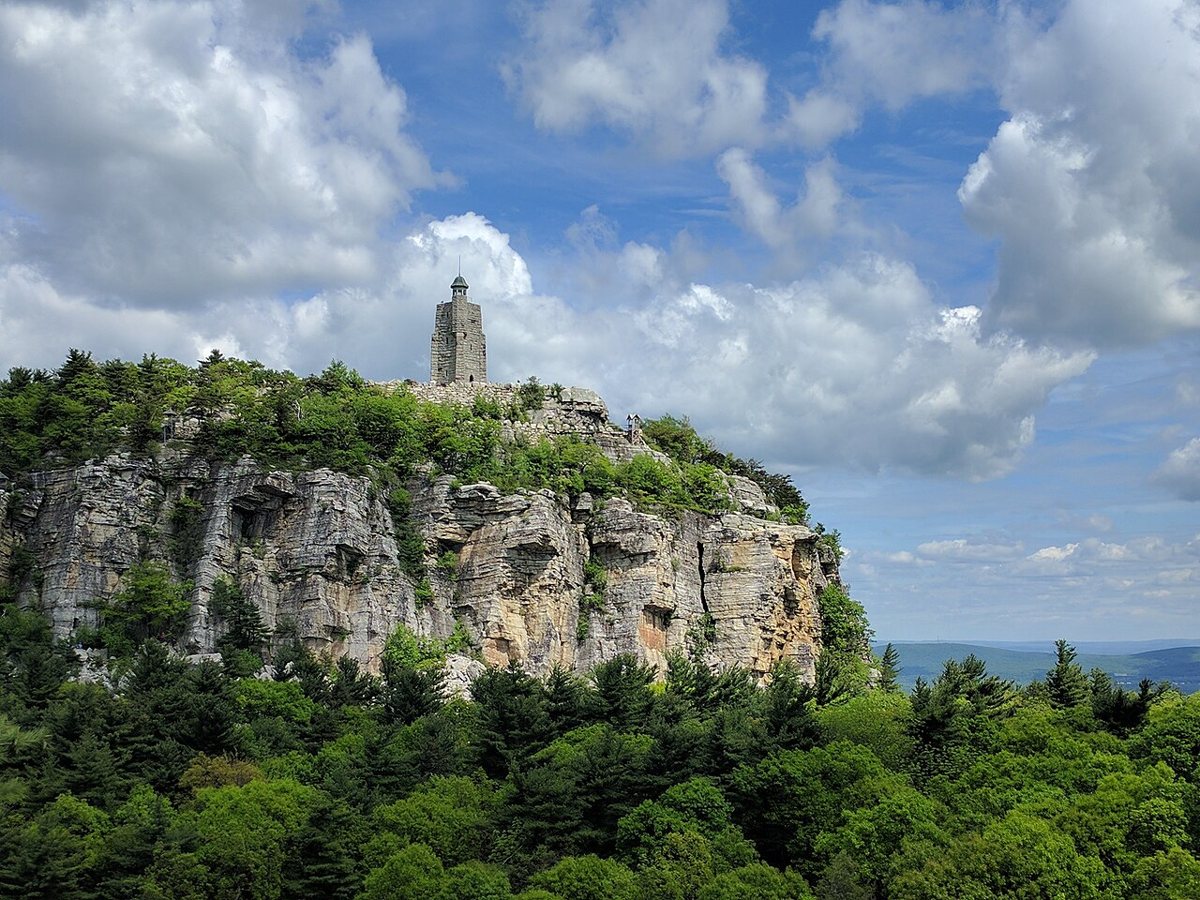
Mohonk sits right next to Minnewaska and shares the same white cliff bands, but it's a different institution entirely, a nonprofit preserve adjoining the historic Mohonk Mountain House resort. The cliffs here are a genuine rock-climbing destination, so expect to watch climbers working routes above the main carriage roads as you walk. The Trapps Gateway area is the easiest starting point, and the hike up to Sky Top for the view from its stone tower is the classic outing. A day-use fee applies and goes toward maintaining the preserve, which is worth knowing before you show up expecting a free state park.

Sam's Point
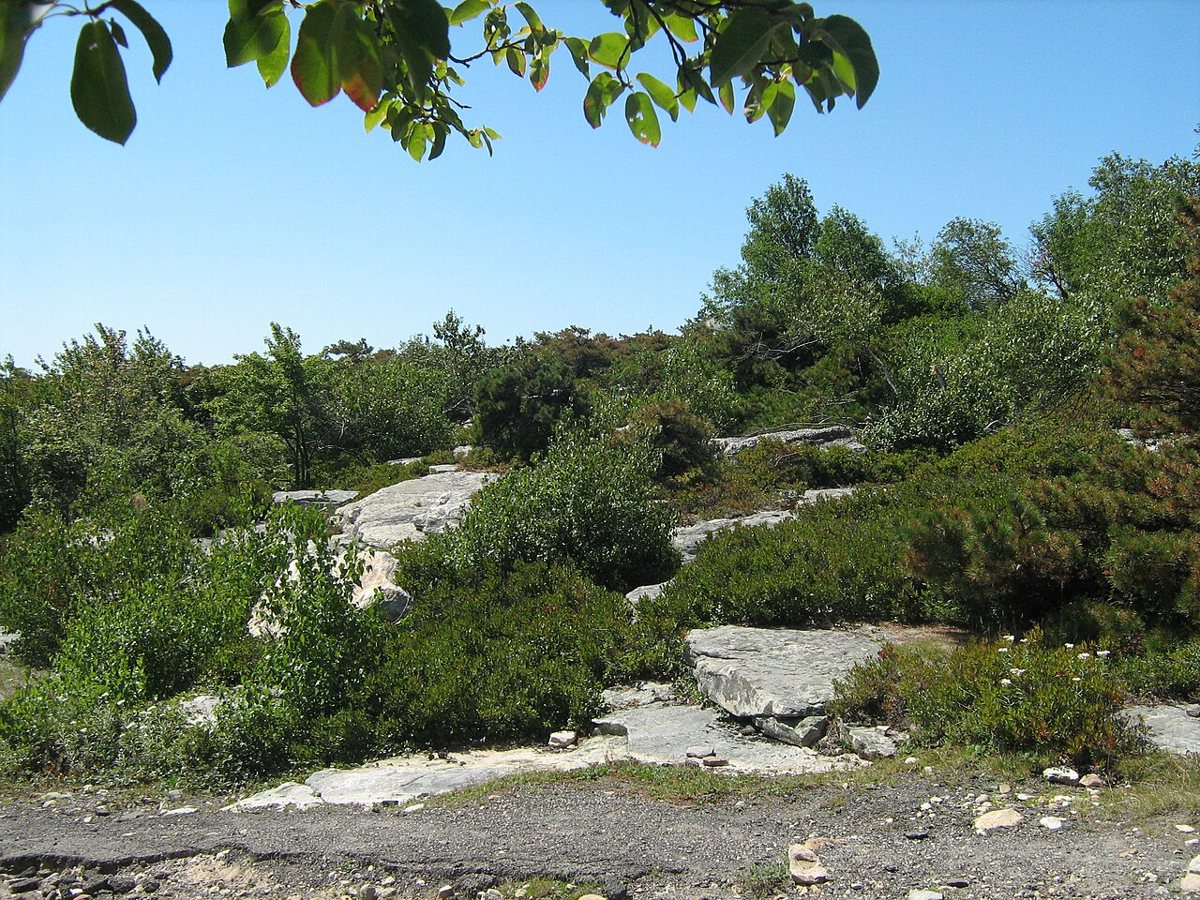
Sam's Point is the Gunks for people who've already done Minnewaska and want somewhere quieter with the same bones. It sits on a high, exposed ridge covered in dwarf pitch pine, a genuinely rare habitat that only exists on a few ridgelines in the world, and it includes actual ice caves where cold air pools deep enough to keep ice through summer. The ledges here look straight out over the Hudson Valley with none of the crowding you'll find at the more famous entrances nearby. Bring a layer even in warm weather, since the ridge has no real shade and the wind doesn't quit.

New Jersey's Palisades: The Closest Real Cliffs to the City
Skip the Hudson Valley entirely and there's still a legitimate cliff-and-river hike closer than any of the above, sitting directly across the water from Manhattan and Westchester.
Palisades Interstate Park and the Long Path
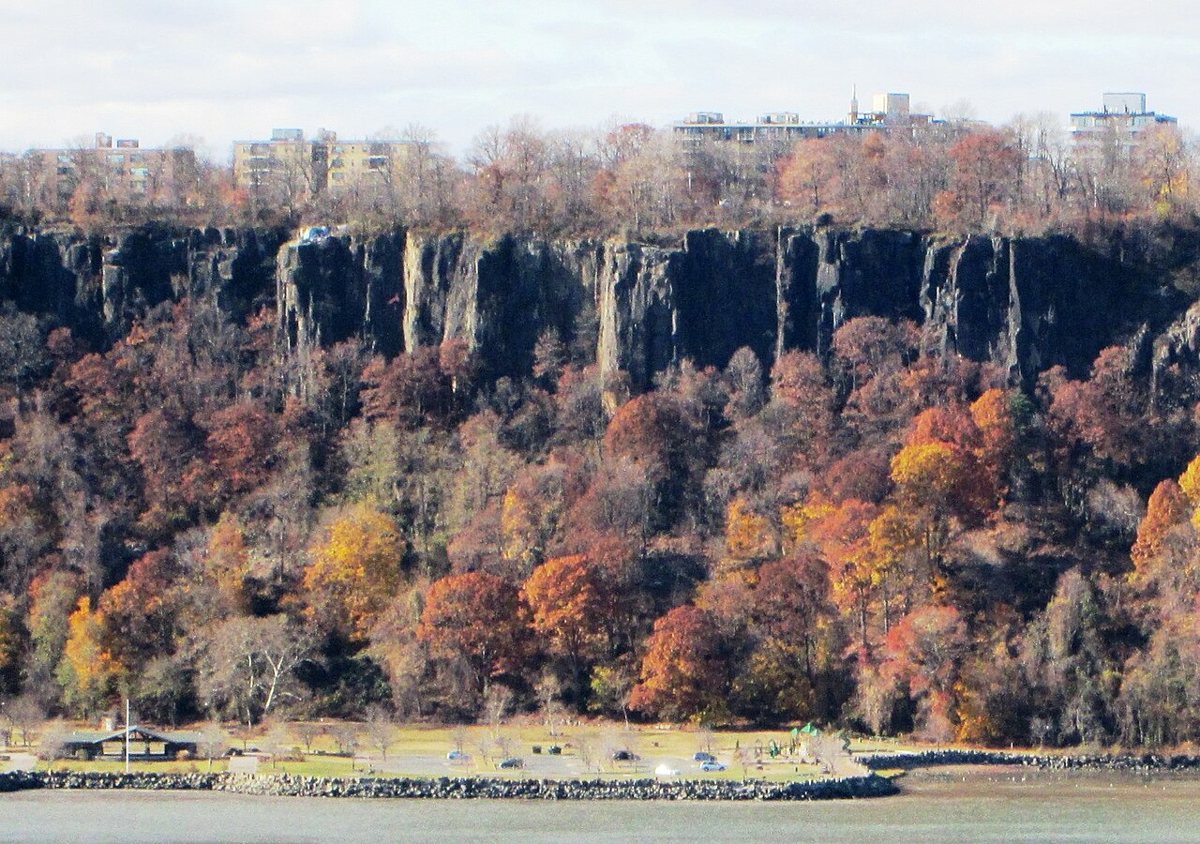
The Palisades are the sheer river cliffs you've seen from the West Side Highway your whole life without necessarily knowing you could walk their top edge. The Long Path traces the clifftop through wooded parkland with river overlooks the entire way, and State Line Lookout is the easiest access point for a short, high-reward walk. For something flatter, the Shore Trail runs along the river at the base of the cliffs, a good option for anyone who wants the scenery without the climbing. Reach for the Palisades on a weeknight after work or a morning before you have anywhere else to be, and it's accessible by NJ Transit bus to the Englewood or Alpine area followed by a short walk.

Sleepy Hollow and Rockefeller State Park Preserve
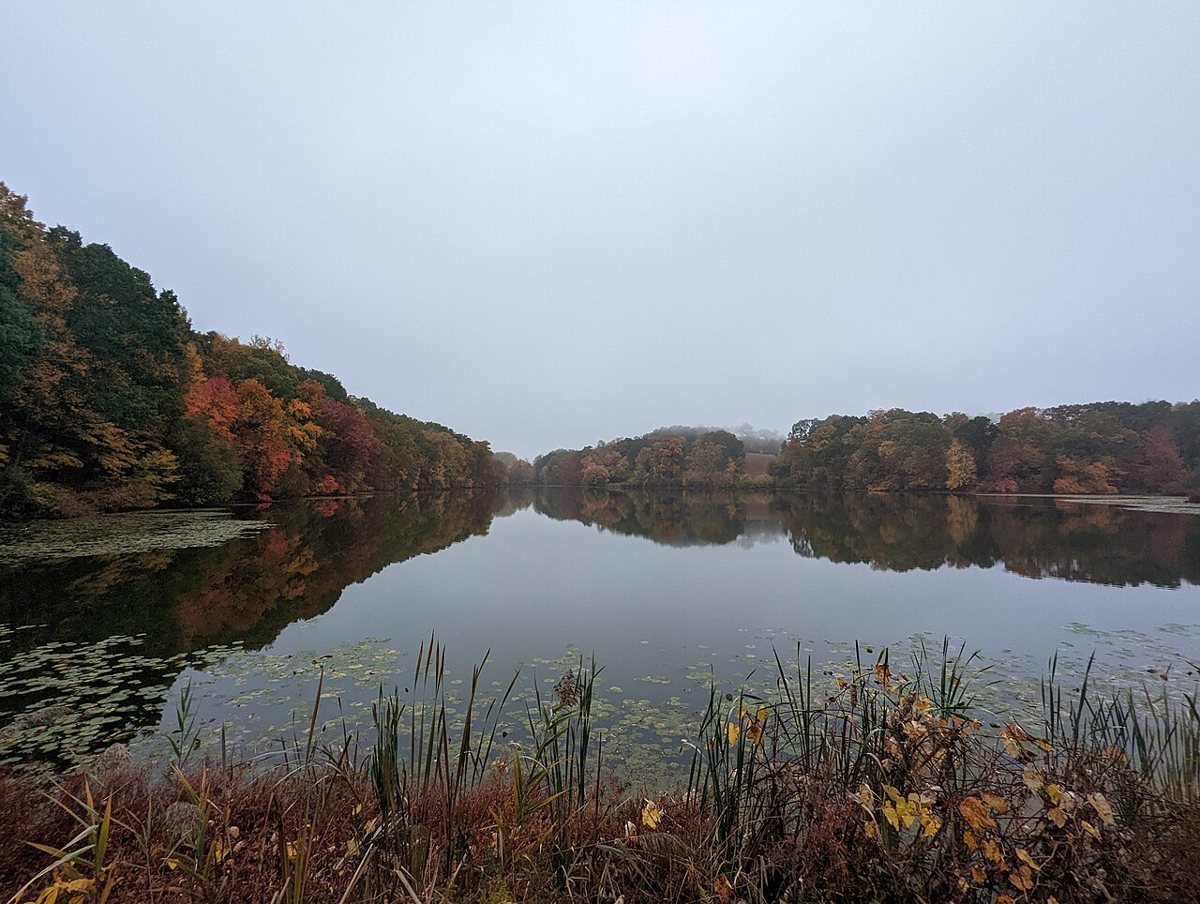
Rockefeller State Park Preserve, built on land once part of the Rockefeller family estate, is the gentlest entry on this entire list: wide, well-groomed carriage roads circling Swan Lake and winding through old-growth woods, with almost no elevation gain anywhere in the park. It's the right call for a first hike, a family outing, or anyone recovering from a harder weekend elsewhere on this list. Pair it with a walk through the village of Sleepy Hollow itself, Washington Irving country, for lunch and a little history before or after. The Hudson Line stops at Philipse Manor and Tarrytown, both a short ride or walk from the preserve entrance.

Two More Worth the Drive in New Jersey
Watchung Reservation, a large county park in Union County, gives central and northern New Jersey a genuine forest close to home: a network of gentle wooded trails around a small lake, a deserted old village site, and enough tree cover to feel remote despite the suburbs pressing in on every side. It's a strong pick for a first hike with kids or a low-key morning that doesn't demand a two-hour drive. The Ramapo Mountains, running along the New York-New Jersey border west of Harriman, offer rockier, quieter ridge hiking with reservoirs and old estate ruins scattered through the woods. Trails there tie into the same greenbelt that feeds Harriman and Sterling Forest, so ambitious hikers can string together long, remote days without ever crossing a major road.
Matching the Hike to the Day You Actually Have
Not every free Saturday calls for the same trail, and the smartest move is picking by the kind of day you want rather than by which hike has the biggest reputation. A few honest pairings from people who do this often:
- No car, want a real summit: Breakneck Ridge or Bull Hill from Cold Spring, both a walkable distance from the Hudson Line.
- Bringing people of mixed fitness: Bear Mountain, where a stone tower, a lake, and easy paths keep everyone happy.
- First hike ever, or recovering from a hard one: Rockefeller State Park Preserve's flat carriage roads, or Watchung Reservation over in New Jersey.
- Want water to swim in: Minnewaska's sky lakes, Canopus Lake at Fahnestock, or one of Harriman's lake beaches in summer.
- Have a full day and a car: the Gunks, where Minnewaska and Mohonk sit close enough to combine into one long outing.
- Short on time after work: the Palisades clifftop, twenty minutes from the George Washington Bridge.
Getting to the Best Hikes Near New York Without a Car
The Hudson Line is doing most of the work here. It serves Cold Spring, Breakneck's seasonal stop, Manitou, Peekskill, and the Sleepy Hollow area, all with Hudson Highlands or preserve trails within walking distance. The Harlem Line has its own trick: a flag stop actually named "Appalachian Trail," which drops hikers directly onto the trail near Fahnestock with no road walk required. For Harriman and Bear Mountain, Coach USA and Short Line buses run from Port Authority, especially on weekends and holidays, and they're often faster than driving once you factor in parking. The Palisades over in New Jersey are best reached by NJ Transit combined with a short local bus or rideshare. Harriman's western edge is more of a stretch without a car, and Minnewaska, Mohonk, and Sterling Forest are genuinely easier with one, though a bus to New Paltz plus a rideshare covers the Gunks in a pinch.
Timing, What's Free, and Staying Safe on Breakneck
Weekday mornings beat weekend afternoons everywhere on this list, and nowhere more than Breakneck, where a Sunday midday crowd can turn a scramble into a standstill. Fall color draws the heaviest crowds of the year, so if you're chasing peak leaf season, get on the first train, not the third. State parks like Bear Mountain, Harriman, Hudson Highlands, Fahnestock, and Rockefeller are generally free to enter, though parking lots fill early and some charge for the car itself on busy days. Preserves run by nonprofits, namely Mohonk and to some extent Minnewaska, do charge a day-use fee, which is worth budgeting for since they're not simply state land. On Breakneck specifically, wear real hiking shoes with grip, not sneakers or sandals, since the scramble sections are steep bare rock that turns dangerous when wet or icy. Carry more water than feels necessary, since there's no shade and no water source on the ridge. Check the weather for thunderstorms before you commit to an exposed climb, and let someone know your route, since cell coverage drops out in stretches of every park on this list.
New Yorkers spend a lot of energy pretending Central Park is nature and calling it a day, and that's fine for a lunch break, but it's not what any of this is. The real version is an hour on a train with a river view, a scramble that makes your legs shake, a lake you can actually swim in, or a ridge where the only sound is wind. None of it requires leaving the region, and almost none of it requires owning a car. It just requires treating the outdoors around this city as something bigger than a park with a fence around it, because across four states and a dozen trailheads, it clearly is.