Spring Things to Do in New York You Shouldn't Miss
Cherry blossoms, greenmarket asparagus and a train ride to five boroughs of parks — here's the real spring itinerary, not the one written from a hotel in Midtown.
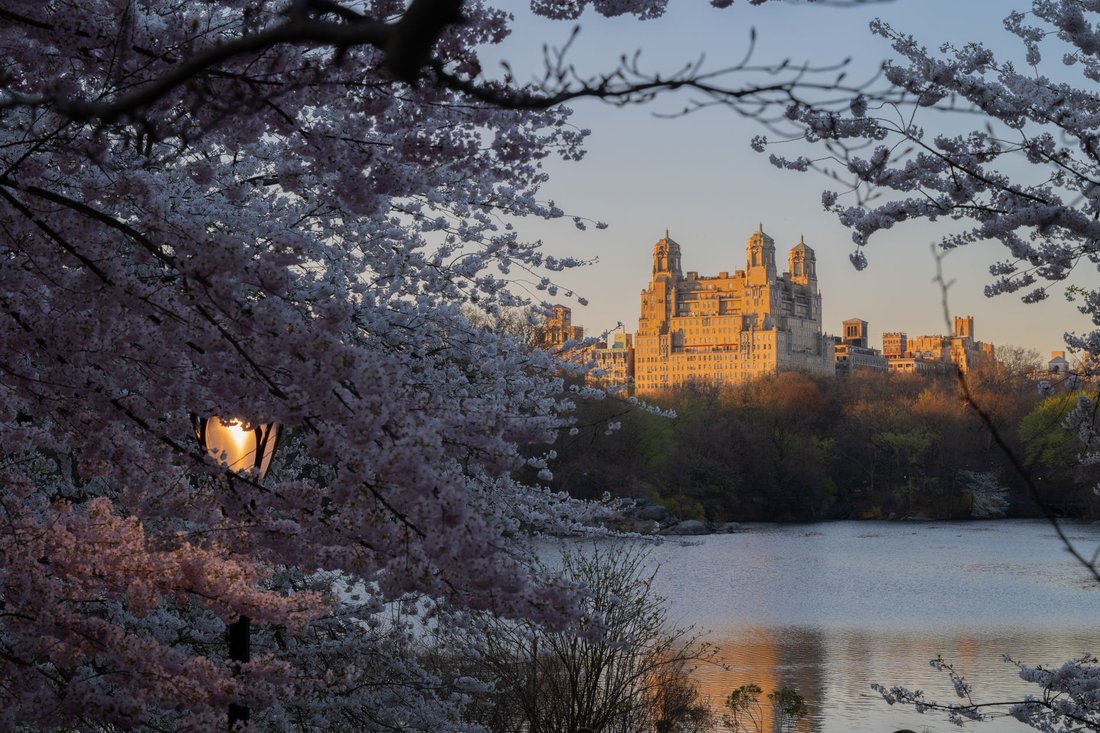
The first warm Saturday in April, the benches along Central Park's Sheep Meadow fill up before noon. Somebody's got a speaker playing bachata low. A guy in shorts too thin for the actual temperature is already sunburned by two o'clock. Up in Prospect Park, the cherry trees along the Cherry Esplanade go from bare to pink in about four days flat, and half of Brooklyn shows up with a blanket and a bottle of something to sit under them. This is what spring things to do in New York actually look like on the ground, not a listicle of museums, but a city that's been cooped up since November suddenly deciding, all at once, to go outside.
What follows is the real rundown, organized the way you'd actually plan a season here: where the blooms are, where to walk, what to eat while you're at it, which culture spots hit different in spring, and how the boroughs beyond Manhattan do it better. None of this requires a festival calendar or a reservation made three weeks out. It requires a MetroCard or an OMNY tap and a willingness to leave whichever neighborhood you started in.
Parks and Blooms: Where Spring Actually Shows Up
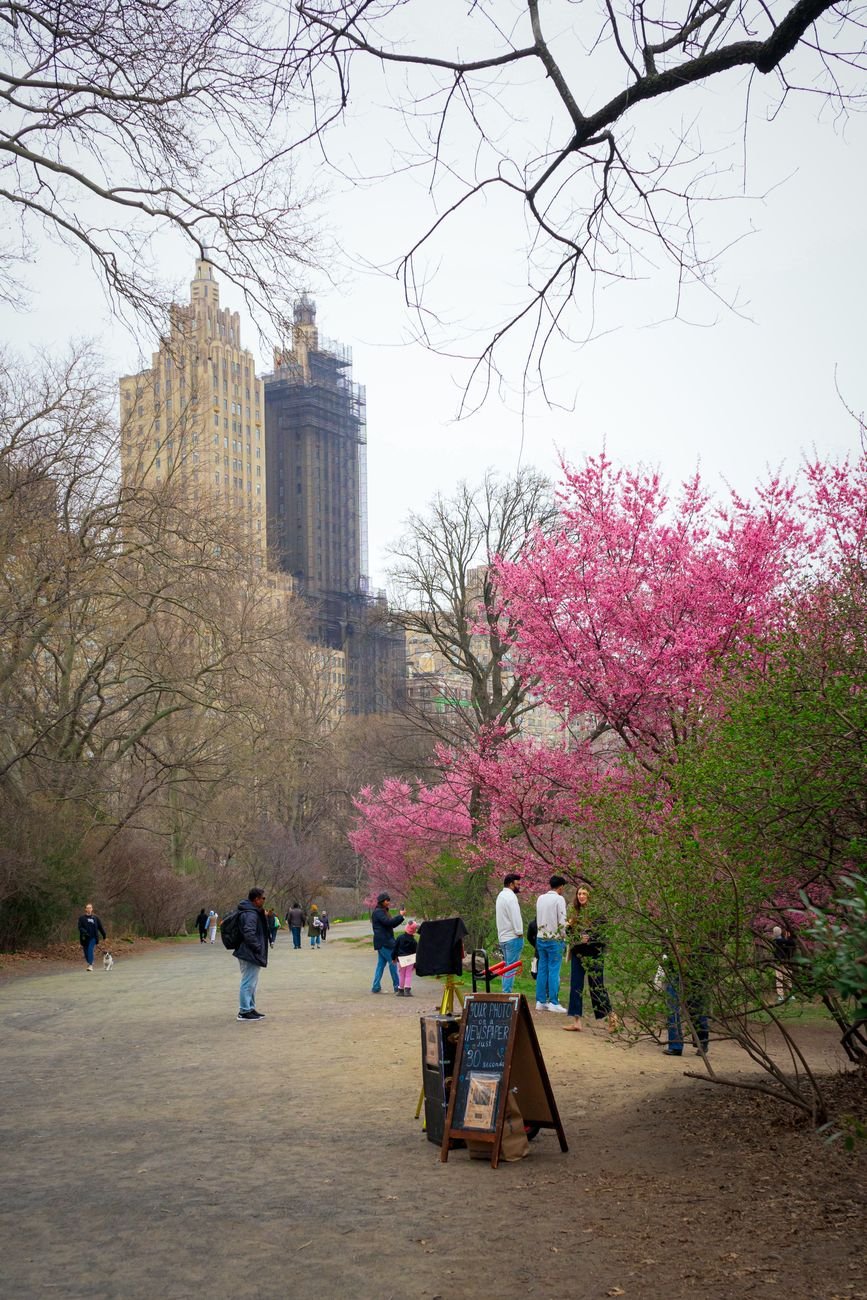
Central Park does spring with more range than people give it credit for. The Conservatory Garden on the Upper East Side blooms in stages, tulips first, then crabapple, then wisteria on the pergola, and it's quiet enough in April that you can hear the fountain. The Mall's elms leaf out into a green tunnel. Down by Sheep Meadow and the Great Lawn, spring is less about flowers and more about the whole park turning into one enormous, informal picnic. The insider move is going at opening, before nine, when the light is good and the park hasn't filled in yet. Most of it is Manhattan, sure, but treat it as one neighborhood's backyard, not the whole city's.
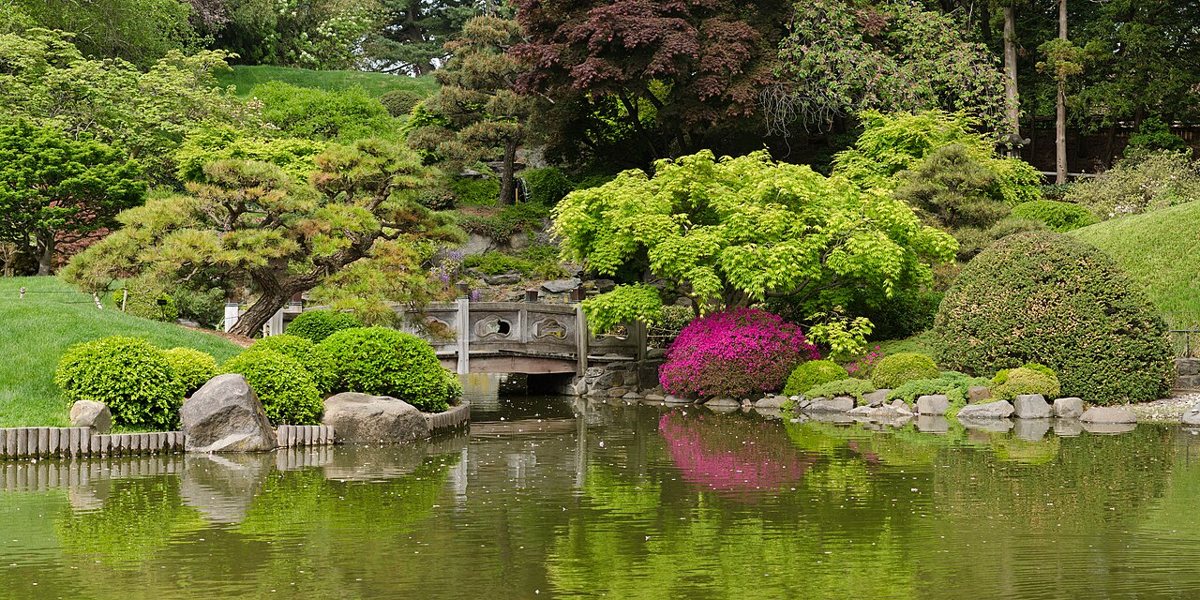
For the blossoms themselves, the destination is the Brooklyn Botanic Garden, and it isn't close. The Cherry Esplanade and Cherry Walk hold one of the largest cherry tree collections outside Japan, dozens of varieties that don't all peak at once, so there's a longer window than people expect, usually running from early into late April depending on the year and the weather that season. Go on a weekday morning if you can. The garden also does a bonsai collection and a Japanese Hill-and-Pond Garden that are worth the visit even after the flowers drop. This is Brooklyn, not an extension of Manhattan's park system, and it treats spring like the main event of its calendar year.

Right next door, Prospect Park gives Brooklyn its version of the Great Lawn, minus a chunk of the crowd. The Long Meadow is where actual locals go, not tourists working off a checklist, and by late April it's full of soccer games, dogs off leash in the early hours, and the same cherry blossoms you'll find at the Botanic Garden but scattered and free to wander through instead of ticketed. The boathouse and the lake side of the park catch the afternoon light well, and the Vanderbilt Playground area fills with strollers by ten on a nice day. This is what a city park is for, and it's proof this city's best green space doesn't sit in Manhattan.
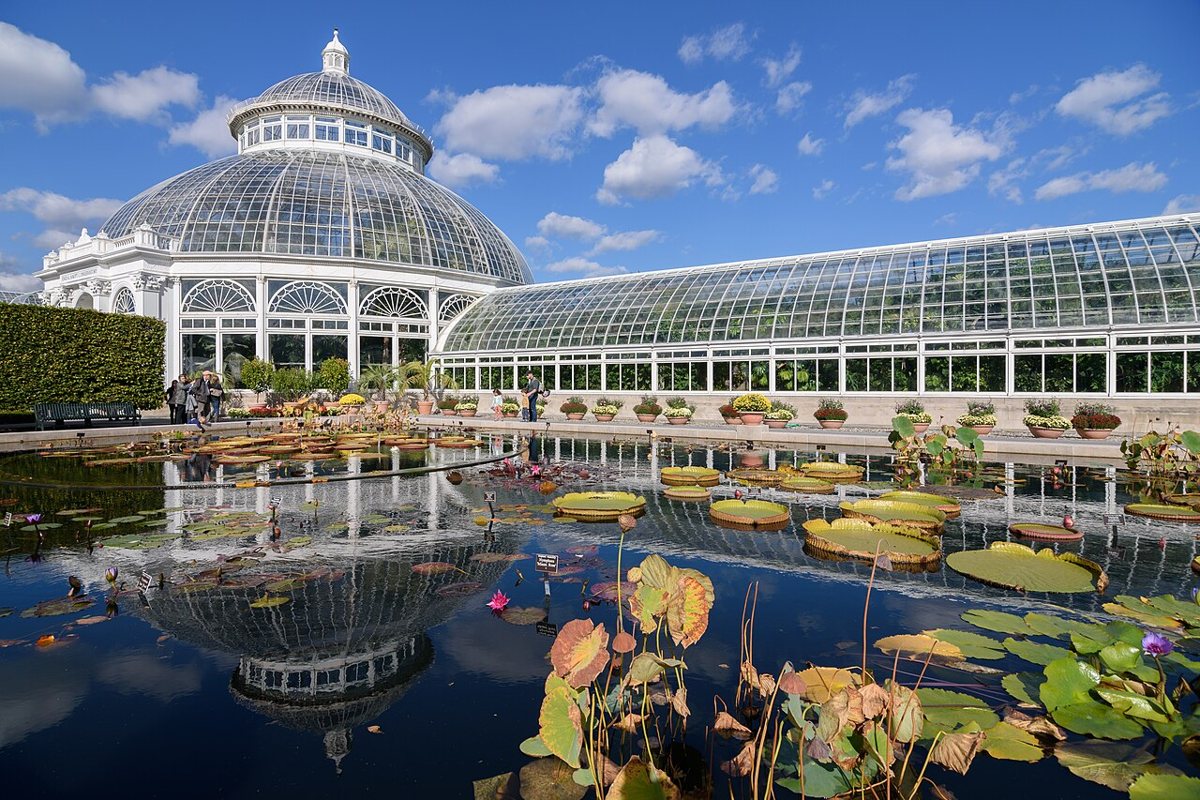
Up in the Bronx, the New York Botanical Garden runs a full spring show that most Manhattan-only visitors never make it to, which is their loss. The Native Plant Garden and the daffodil hill come first, then the cherry collection, then the rose garden gets going toward the end of spring. The conservatory alone justifies the trip on a rainy day, and the grounds are big enough that a real garden crowd never feels the way Manhattan crowds do. Pair it with a stop nearby and you've made a full day of a part of the Bronx most itineraries skip entirely.

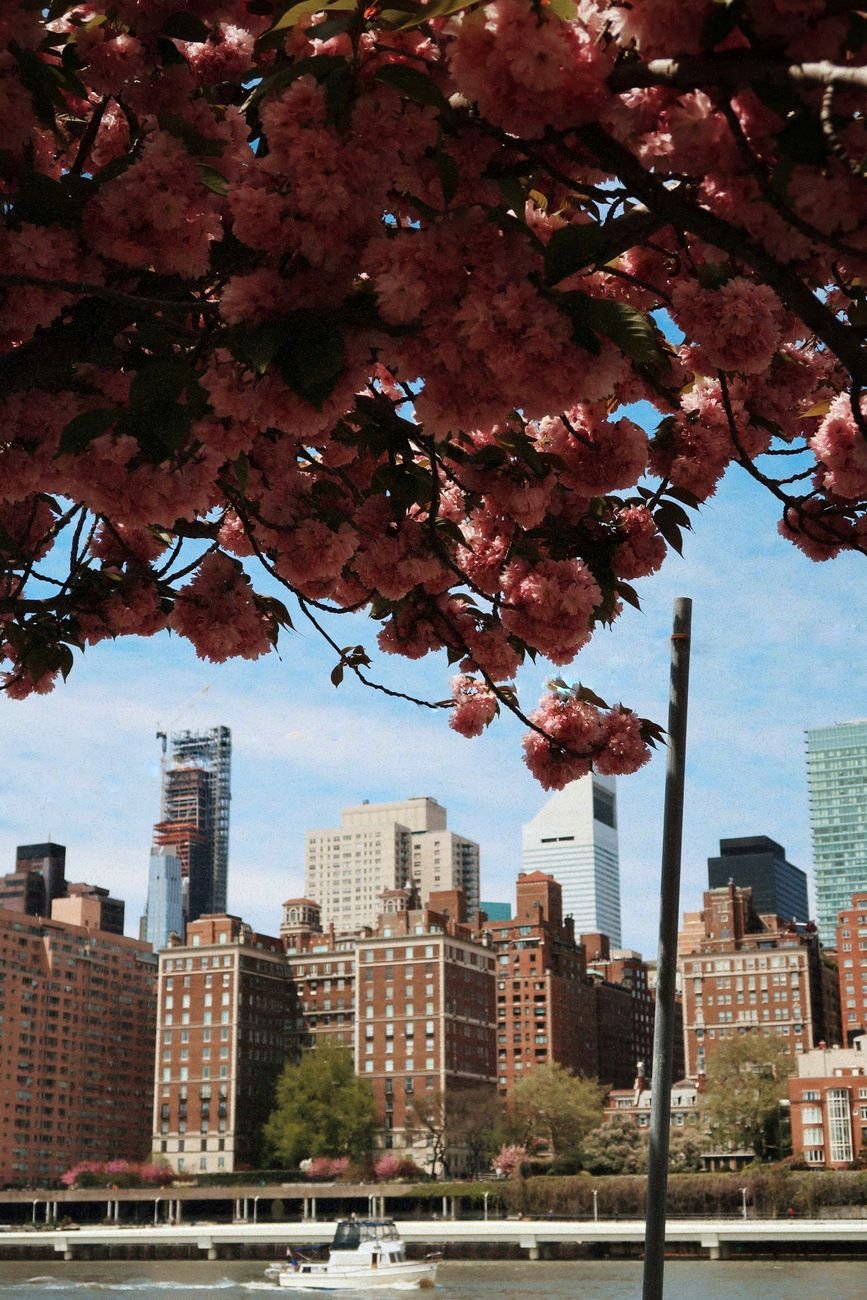
Then there's the ride nobody puts on a list until they've done it once: the Roosevelt Island cherry blossoms along the island's promenade. Take the tram from Second Avenue and you get a view of the city from the air before you even land, then a strip of cherry trees along the water with the Manhattan and Queens skylines on either side and a fraction of the foot traffic you'd fight at the Botanic Garden. It's one of the better-kept spring routines among people who actually live here, not because it's secret, but because most visitors never think to look at the island in the middle of the river.
Waterfront and Walks
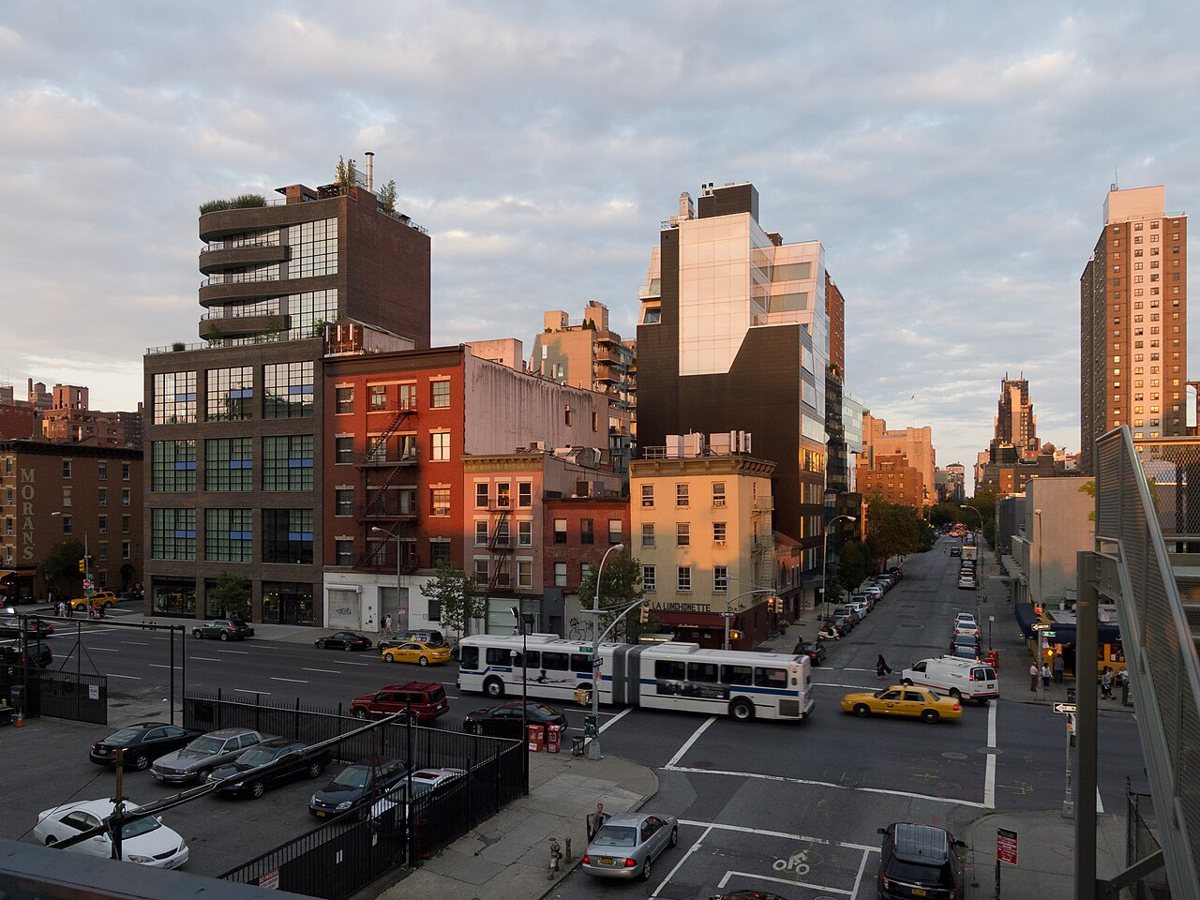
Spring is walking weather before it's anything else, and the High Line is built for exactly that. The old rail viaduct's plantings are designed around seasonal change, so April and May bring a different palette than August will, grasses coming back green, early perennials pushing up between the disused tracks. It gets packed by early afternoon on weekends, so the move is a morning walk starting at the southern end near the Whitney and working north, before the tour groups arrive.

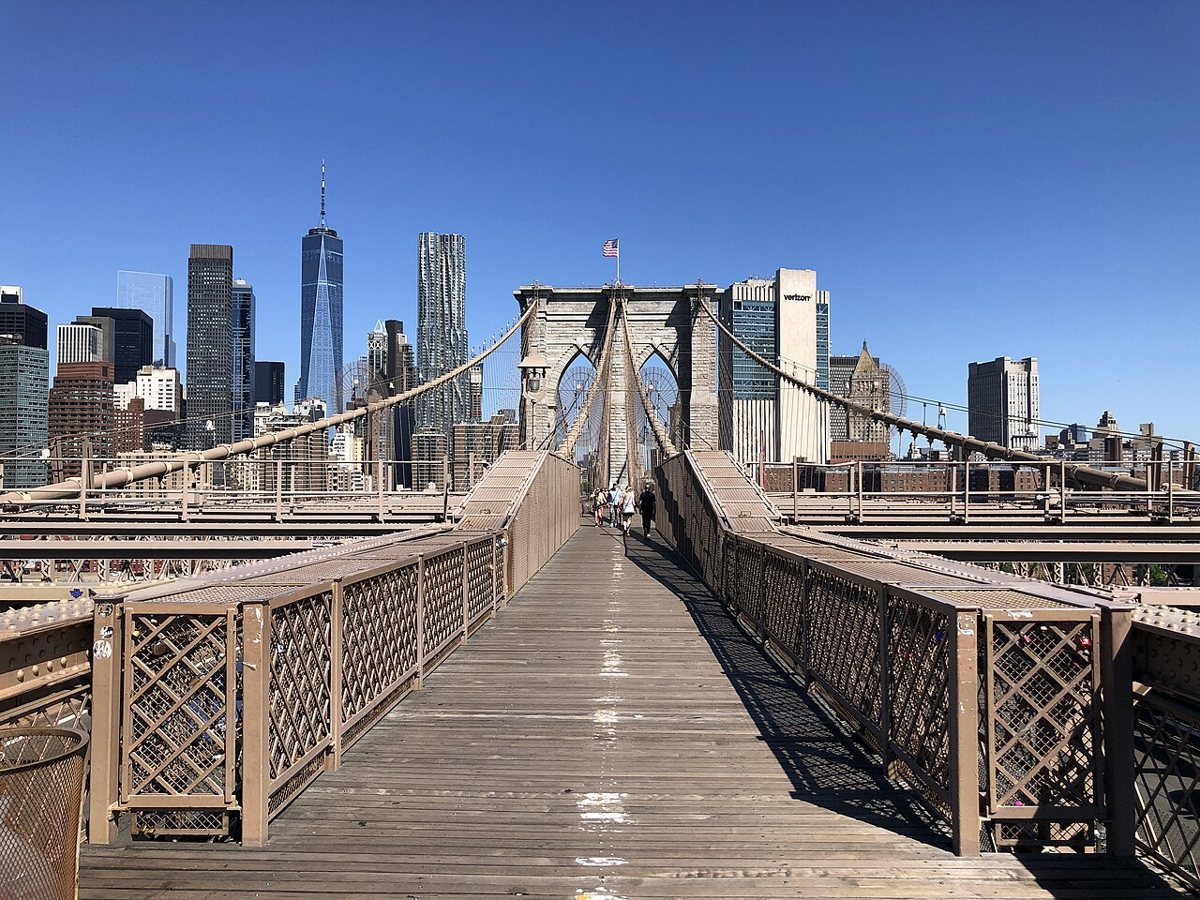
The Brooklyn Bridge earns its reputation honestly in spring, when the walk across doesn't require a jacket and the light off the harbor is better than it is in the summer haze. Start from the Brooklyn side in DUMBO if you can, so you're walking toward Manhattan with the skyline ahead of you instead of behind. Early morning avoids the worst of the pedestrian traffic jams the bridge has become known for, and the walk down into DUMBO afterward sets up an easy stroll along the Brooklyn Bridge Park waterfront, which does its own spring bloom along the promenade.

Further out, an Astoria waterfront walk along the East River, or a loop through Jackson Heights past its garden apartment blocks with their private courtyards just starting to green up, does the same job with a fraction of the people. Queens doesn't get the postcard treatment these walks in Manhattan and Brooklyn get, but the water is the same water, and in spring the difference is mostly the crowd size.
Spring Things to Do in New York: Markets and Food
The Union Square Greenmarket is where spring things to do in New York actually starts to taste like something. Ramps show up for a few weeks, then asparagus, then the first strawberries from Jersey and upstate farms, and the market goes from a handful of root-vegetable stands in March to a genuinely crowded, fragrant market by May. Go early for the best of what's there and to avoid elbowing through the lunch crowd from the office towers nearby.
Spring is also when the outdoor food scene wakes back up, and the return of the open-air markets each season gets treated by regulars the way other cities treat the first day of baseball. But don't let an outdoor market replace the everyday stuff spring makes better simply by being warm enough to eat outside again: a fold of pizza eaten standing on a corner, a bacon-egg-and-cheese from the bodega on your way to the train, a plate of mofongo or mangú in Washington Heights, dim sum in Flushing with the windows finally open, an Italian hero from Arthur Avenue in the Bronx eaten on a bench instead of at a desk. If you want a fuller rundown on where to find a great slice once the weather turns, that's its own trip worth taking on foot, one neighborhood at a time.
Culture That Hits Different in Spring
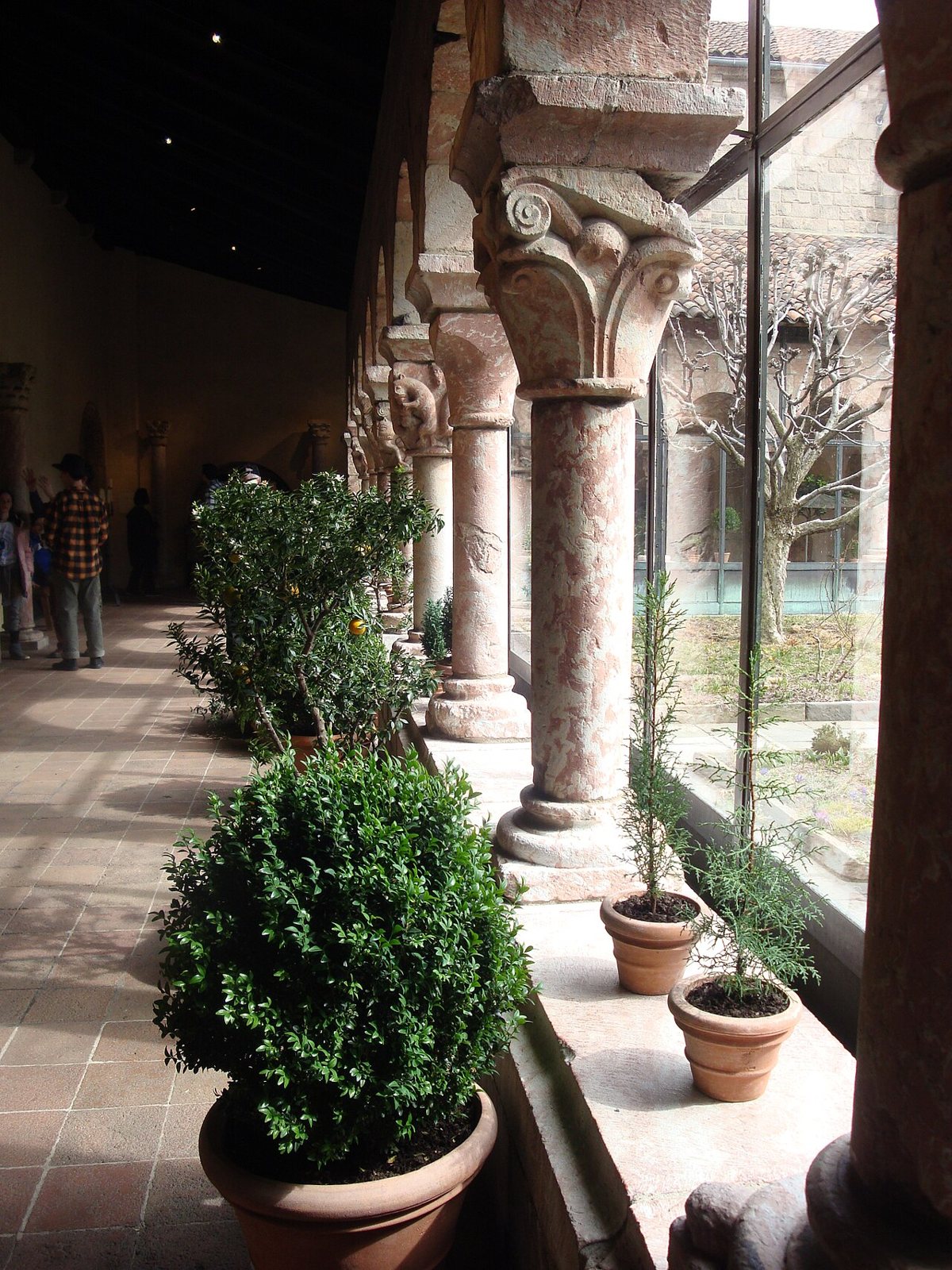
The Cloisters, up in Fort Tryon Park at the northern tip of Manhattan, is a spring destination almost by design. The museum's medieval gardens are planted according to period herbals, and by late spring the beds are full and the views down over the Hudson from the park around it are unobstructed by summer haze. It's a genuine trip from most of the city, which is exactly why it stays uncrowded even when the Botanic Garden two boroughs over is packed.

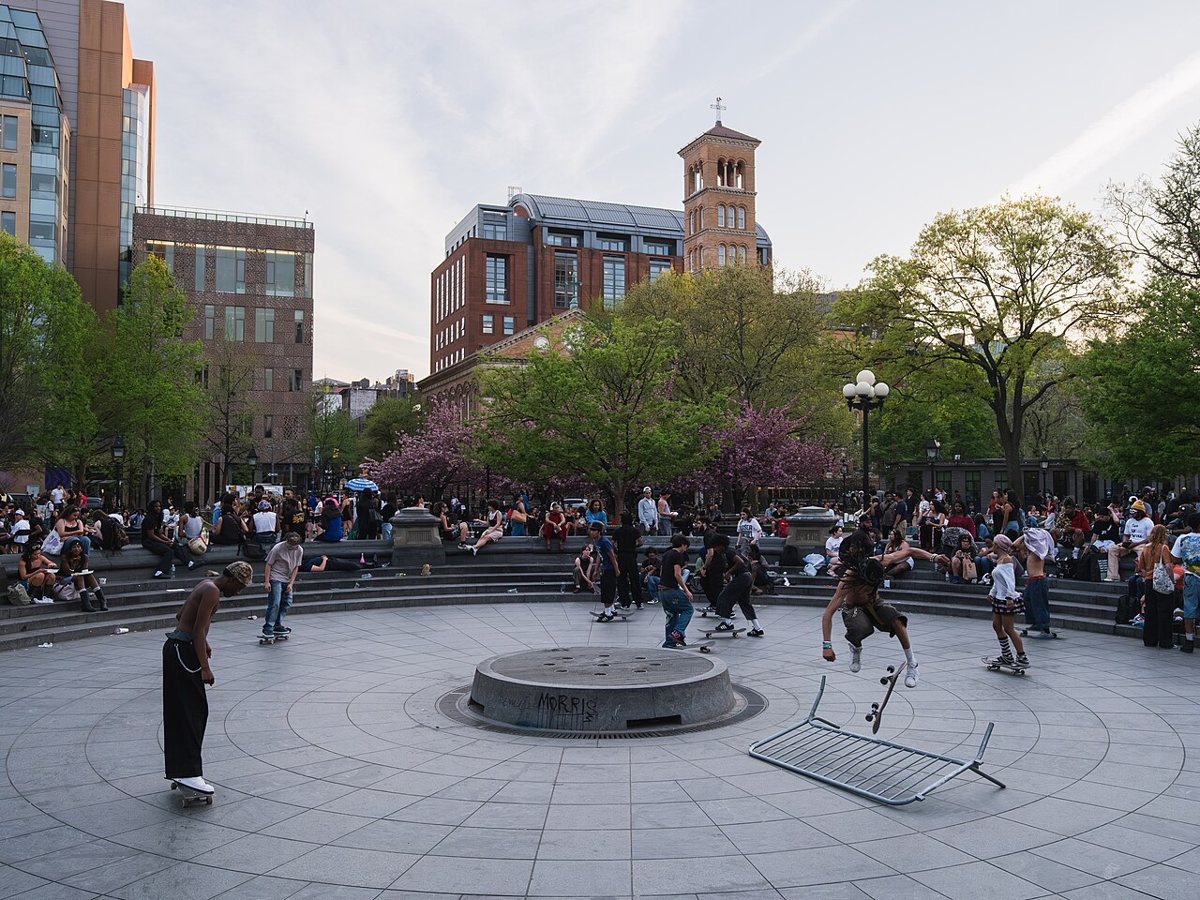
Down in the Village, Washington Square Park turns into its own kind of spring theater once the weather breaks, with chess games under the arch, NYU students sprawled on the dry grass, and the fountain running again for the first time since fall. It's the West Village's front porch as much as it is a park, and spring is when the neighborhood's street life spills all the way into it.

Uptown, the Apollo Theater in Harlem runs its usual mix of live music and Amateur Night through the spring season, and there's something about catching a show there once the windows of 125th Street are open and the sidewalks are busy again that a winter visit just doesn't have. Pair it with a walk through Harlem's brownstone blocks, where the stoops fill back up the same week the temperature does.
Getting Out to All Five Boroughs
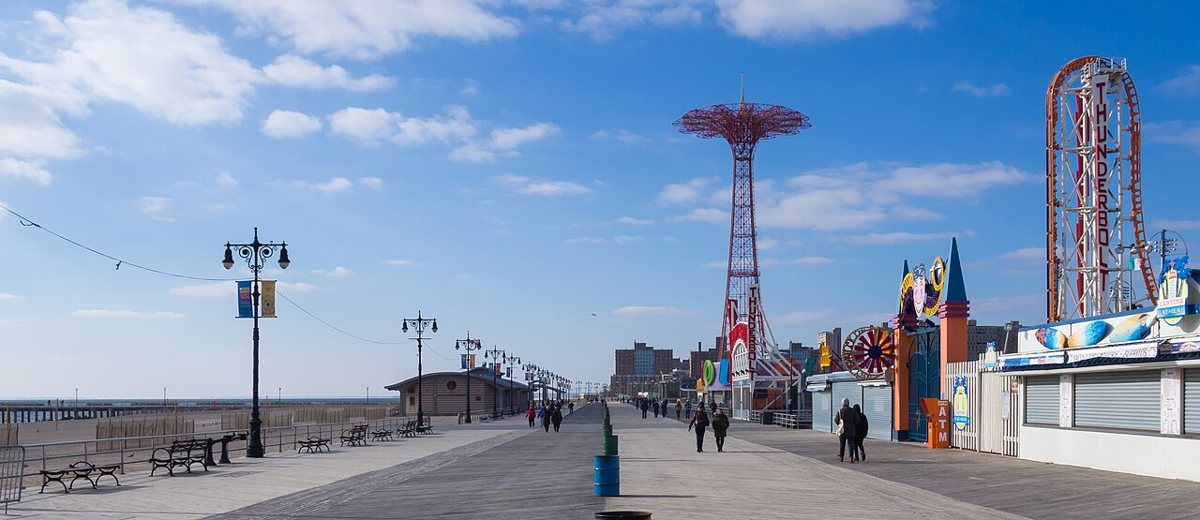
Coney Island reopens for the season in spring, in the loose sense that a neighborhood built around a boardwalk and rides comes back to life once it's warm enough to be outside without a coat. The rides, the boardwalk, the aquarium next door, and a Nathan's hot dog all read differently in May than they do in July, mostly because you can actually move around without fighting a beach crowd. It's a genuine trip on the train, not a quick add-on, and worth treating as a full afternoon out to southern Brooklyn.

The South Bronx doesn't get a spring listicle entry very often, but it should: community gardens across Mott Haven and Melrose come alive in April and May, block by block, in ways that don't show up on any map but reward a slow walk. Bushwick and Bed-Stuy do their version with stoop culture returning full force, brownstone gardens getting planted, and a noticeably different energy on the same blocks that felt shut down in February. None of these places need a single marquee attraction to be worth the trip. They need you to actually go.
Practical Notes: Trains, Timing, What's Free
- The train gets you everywhere on this list. Skip cabs and rideshares for anything park-related. The 2/3 and Q get you to Prospect Park and the Botanic Garden, the B/D/4 line up to the Bronx botanical garden and Arthur Avenue, the F and N/W to Coney Island, and the tram (not the train) out to Roosevelt Island.
- Cherry blossom timing shifts year to year with the weather. Late April is the usual window for peak bloom in Brooklyn and the Bronx, but a warm March can push everything earlier. Check current bloom trackers closer to your date rather than locking in a weekend months out.
- Most of this is free or close to it. City parks, the High Line, the Brooklyn Bridge walk, the greenmarket, and most neighborhood walking cost nothing. Gardens and museums with admission fees often have free or reduced hours on weekday mornings, so check current pricing and hours before you go, since both change.
- Weekday mornings beat weekend afternoons for almost everything on this list. The same cherry tree that's a shoulder-to-shoulder photo line on Saturday at 2pm is empty and better lit at 9am on a Tuesday.
- Layer up regardless of the forecast. New York spring can swing twenty degrees between morning and afternoon, and the wind off the water at the Brooklyn Bridge or Roosevelt Island runs cooler than it looks from a park bench inland.
The mistake most guides make is treating spring in New York as a single event happening in one park in one borough, usually the one closest to a hotel. It isn't. It's a season that moves borough to borough over about ten weeks, starting with the first daffodils in the Bronx and ending with the roses coming in behind them, running through cherry trees in Brooklyn and Queens, stoop gardens in Bed-Stuy, and a boardwalk in Coney Island that's been closed since October finally worth the trip again. The real spring itinerary here isn't a bucket list you check off in a weekend. It's a reason to get on the train more often than you normally would, and to trust that whatever borough you land in has its own version of the season worth showing up for.