Best Day Trips From New York for 2026
Where actual New Yorkers go when the city isn't enough for a Saturday, from Hudson Valley art museums to Montauk's lighthouse, most of it reachable without ever renting a car.
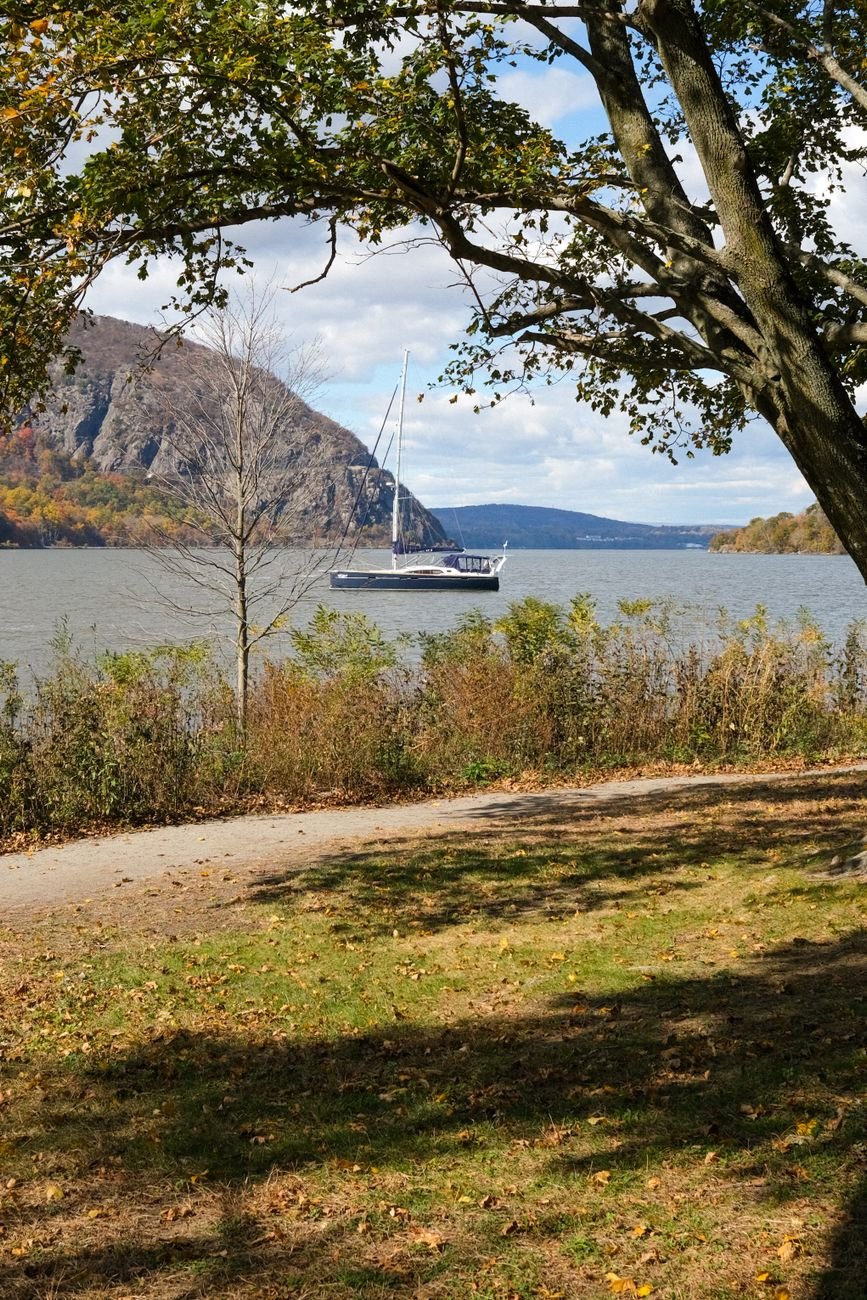
The Saturday-morning train out of Grand Central on the Hudson Line fills up fast, and not with tourists. It's New Yorkers who've done this before: a couple splitting a bag of bodega bagels, a guy with hiking poles strapped to his pack, a mother wrangling two kids toward the vestibule doors. Nobody's rushing, because everybody already knows the drill. The best day trips from New York start exactly like this, a train sliding out of the tunnel into daylight along the river, and end back at Grand Central or Penn Station well after dark, sunburned or muddy or both, already texting friends about doing it again next weekend.
New York City sits at the center of one of the country's best transit networks for exactly this kind of escape. Metro-North runs up both sides of the Hudson and into Connecticut. The Long Island Rail Road reaches the ocean in under two hours. NJ Transit and Amtrak get you to the Jersey Shore or Philadelphia without ever touching a highway. A car helps in a few spots, mostly deep in the Catskills or out past the last Hamptons jitney stop, but plenty of the region's best weekend escapes never require one. What follows is a real accounting of where New Yorkers actually go: up the river, out to the island, down the shore, and across a state line or two.
The Hudson Valley: The Best Day Trips From New York Start Upriver
Beacon and Dia Beacon
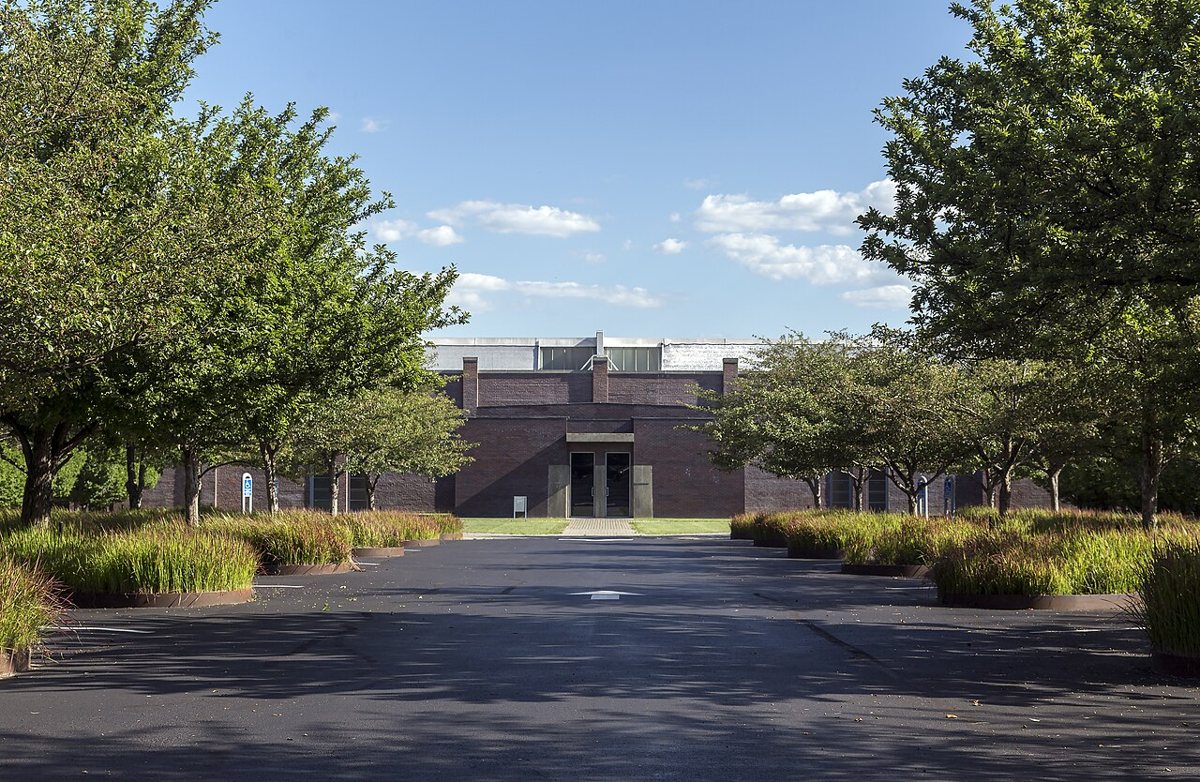
Beacon is the trip people mean when they say they're "doing the Hudson Valley" for the day. The draw is Dia Beacon, a former Nabisco box-printing factory built in 1929 and reimagined as one of the largest contemporary art museums in the country, all raw concrete floors and skylights built for holding enormous minimalist and land-art works by artists like Richard Serra, Agnes Martin, and Donald Judd. Artist Robert Irwin helped shape the renovation, and the museum draws its holdings from the Dia Art Foundation's collection, which spans work made from the 1960s onward, much of it too large or too permanent for a conventional gallery. Main Street runs downhill from the train station toward the river, lined with galleries, secondhand shops, and enough coffee to fuel the walk back up. Take the Metro-North Hudson Line straight from Grand Central; the station drops you a short walk from the museum. Weekdays are the better call if you can manage one, since weekend crowds change the whole feel of the galleries.

Cold Spring
One stop south of Beacon, Cold Spring is smaller and quieter, built around a Main Street that slopes down to a river gazebo with a view straight across to Storm King Mountain. Antique shops, a used bookstore worth an hour on its own, and a handful of restaurants with outdoor seating make it an easy wander. The real reason hikers ride this far is Breakneck Ridge, a scramble-up-boulders trail that starts almost at the train tracks and climbs steeply through the Hudson Highlands, rewarding the effort with river views the whole way. Cold Spring is a Metro-North Hudson Line stop, and Breakneck Ridge has its own seasonal train stop a few minutes further north. Arrive early if you want the trailhead parking or a quiet ridge.
Storm King Art Center
Storm King is five hundred acres of rolling meadow and woodland in New Windsor built specifically to hold monumental outdoor sculpture, and it changes with the seasons in a way that indoor museums never can. The center opened in 1960 and grew from a modest sculpture garden into one of the largest outdoor exhibition spaces of its kind in the country. Alexander Calder, Andy Goldsworthy, Maya Lin, and Mark di Suvero pieces sit scattered across the hills, some the size of small buildings, including Maya Lin's earthwork Storm King Wavefield, a series of grass-covered undulations built into a former gravel pit. Bring a bike or rent one on site, because the grounds are genuinely big enough to make walking everything a full afternoon. Getting there without a car takes some planning, usually a Metro-North train to Beacon followed by a shuttle or taxi, so this is one of the trips where renting a car for the day earns its cost. Time it for October if you can, when the foliage sets off the sculpture.

Walkway Over the Hudson
Poughkeepsie's contribution to the day-trip circuit is a former rail bridge reborn as a raised pedestrian walkway, the longest of its kind in the world, stretching a mile and a quarter over the river with the Mid-Hudson skyline in one direction and open water in the other. The bridge opened in 1888 as the Poughkeepsie Railroad Bridge, one of the first spans to cross the Hudson south of Albany, and carried freight trains for decades until a fire closed it in 1974. It sat unused for more than thirty years before a local preservation effort turned it into the walkway that reopened in 2009, now run as a New York State historic park. It's free, it's flat, and it's an easy add-on to a Poughkeepsie stop rather than a full day by itself, so pair it with a walk through the historic district or a stop at the nearby Culinary Institute of America, which runs public restaurants staffed by students. The bridge is a short walk or cab ride from the Poughkeepsie Metro-North and Amtrak station. Catch it at golden hour for the light on the water.
Bear Mountain State Park
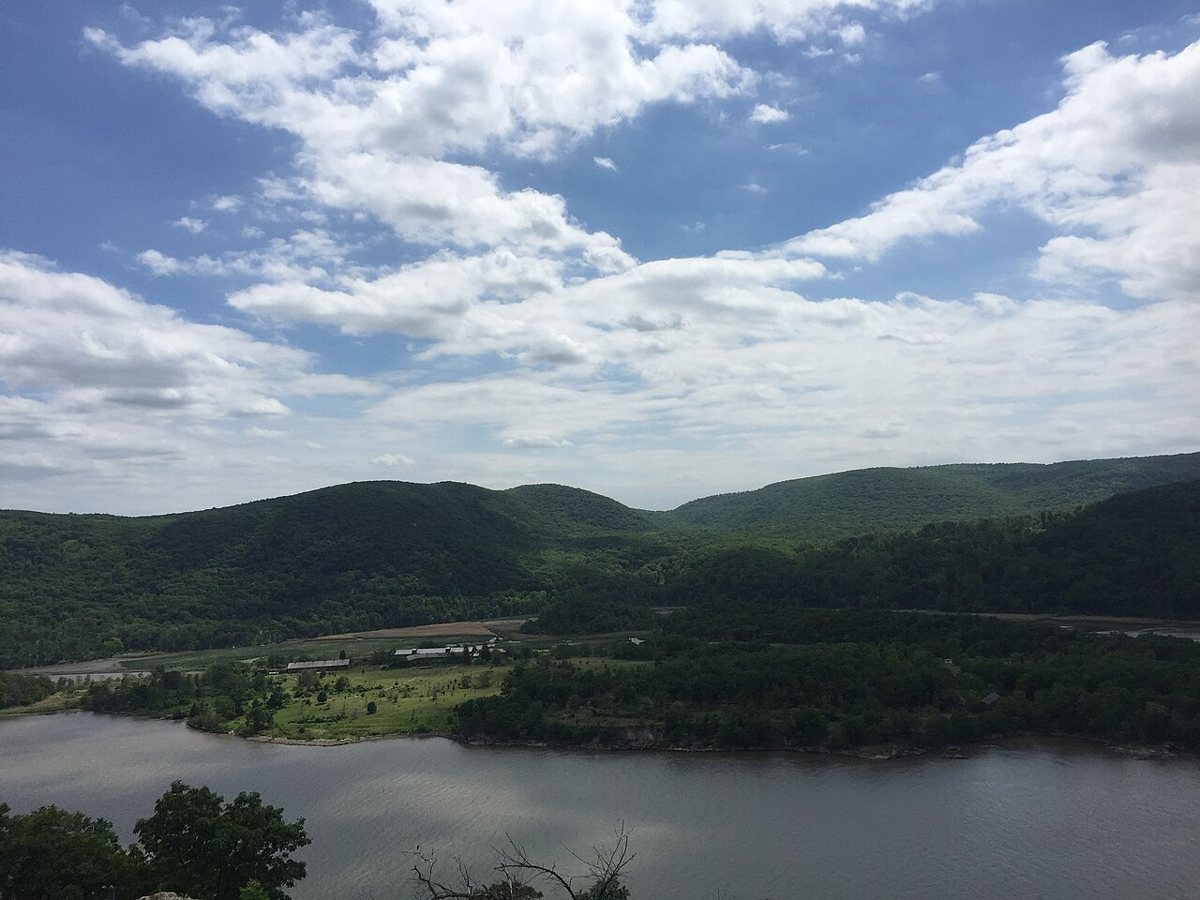
Bear Mountain is where a lot of New Yorkers first learned the Hudson Valley had actual mountains in it. The stone lookout at the summit, Perkins Memorial Tower, was built in the 1930s and named for the park's early benefactor George W. Perkins, whose fundraising helped establish the Palisades Interstate Park system in the first place. The park also has a small zoo, a lake for paddling in summer, and enough marked trails to fill a day at any fitness level, including a stretch of the Appalachian Trail that runs directly through the park. Winter brings ice skating at the rink near the inn. The trip works by train, a Metro-North ride to Peekskill and a short connecting bus or cab, or by car in about an hour from the city, which gives more flexibility for a solid trail beyond the main loop. Aim for a clear fall day for the summit views; they reach back toward the city skyline.

Sleepy Hollow and Tarrytown
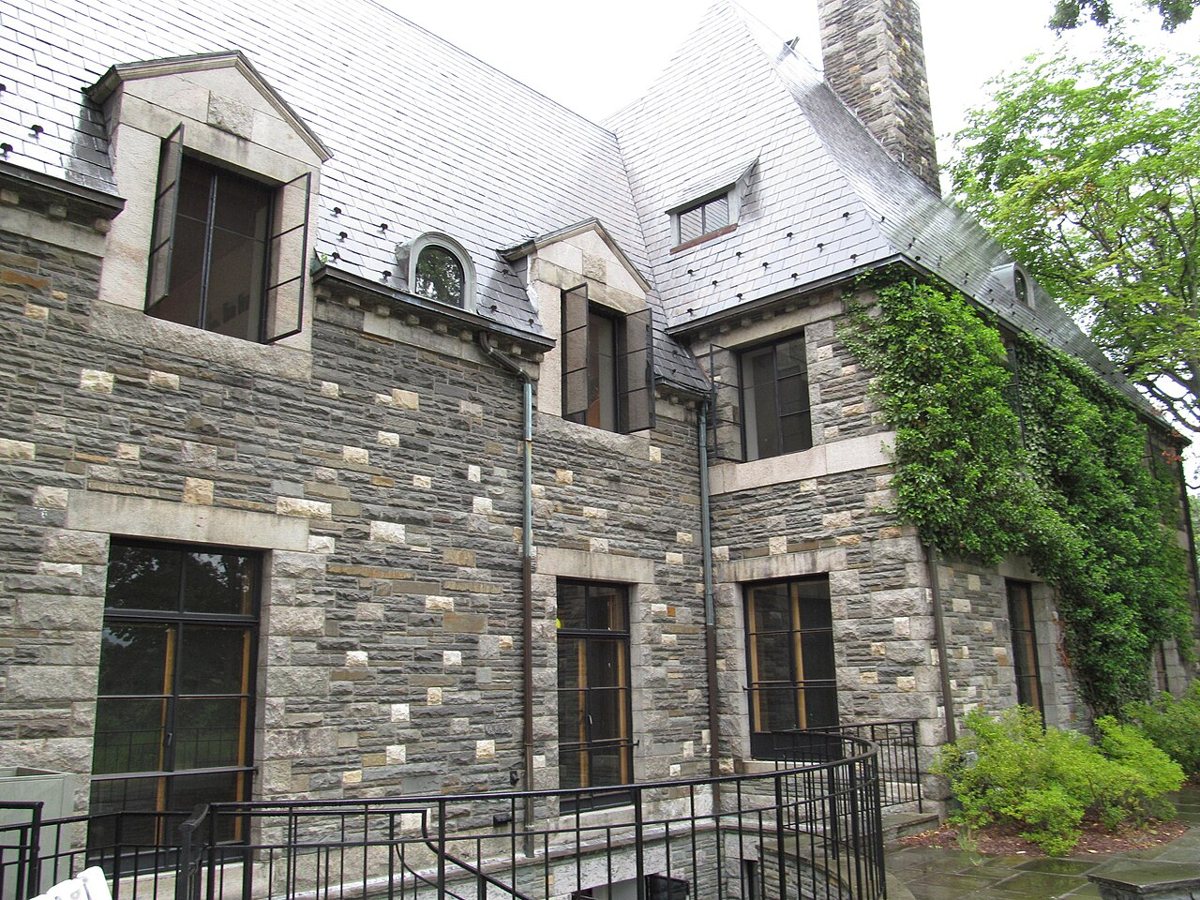
These two villages sit side by side along the river in Westchester, and together they cover Gilded Age mansions, a genuinely spooky cemetery, and the source material for Washington Irving's headless horseman. Sunnyside, Irving's own home, and Lyndhurst, a Gothic Revival mansion with grounds that roll down toward the water, both run public tours. A short drive further into nearby Pocantico Hills brings you to Kykuit, the Rockefeller family estate, opened seasonally for tours of its terraced gardens and underground art galleries. Sleepy Hollow Cemetery holds Irving's grave along with a roster of robber barons, and every October the area leans hard into its literary namesake with lantern tours and a jack-o'-lantern display that draws crowds from across the region. Metro-North's Hudson Line stops in both villages, about forty minutes from Grand Central. Skip the peak fall weekends if crowds aren't your thing; the mansions and cemetery are worth it any season.
New Paltz and the Mohonk Preserve
New Paltz sits at the base of the Shawangunk Ridge, a band of white quartz conglomerate cliffs known to climbers everywhere simply as the Gunks, a name that's carried weight in American rock climbing since the sport took hold there in the 1930s. The Mohonk Preserve protects thousands of acres of that ridge, with an easy carriage-road loop for casual walkers on one end and serious rock scrambles for anyone chasing exposure on the other, plus the option to buy a day pass to walk the grounds of the historic Mohonk Mountain House. The Mountain House itself is a Victorian resort built in the 1870s by the Smiley family, still family-run and perched over its own lake, and it holds National Historic Landmark status in its own right. The college-town Main Street below has a solid concentration of cideries and breweries for the drive back. This one leans car-first; there's no direct train, though a bus connection from the Poughkeepsie station gets you close. Save the ridge views from Skytop Tower for a clear day.

Further Upstate: The Catskills
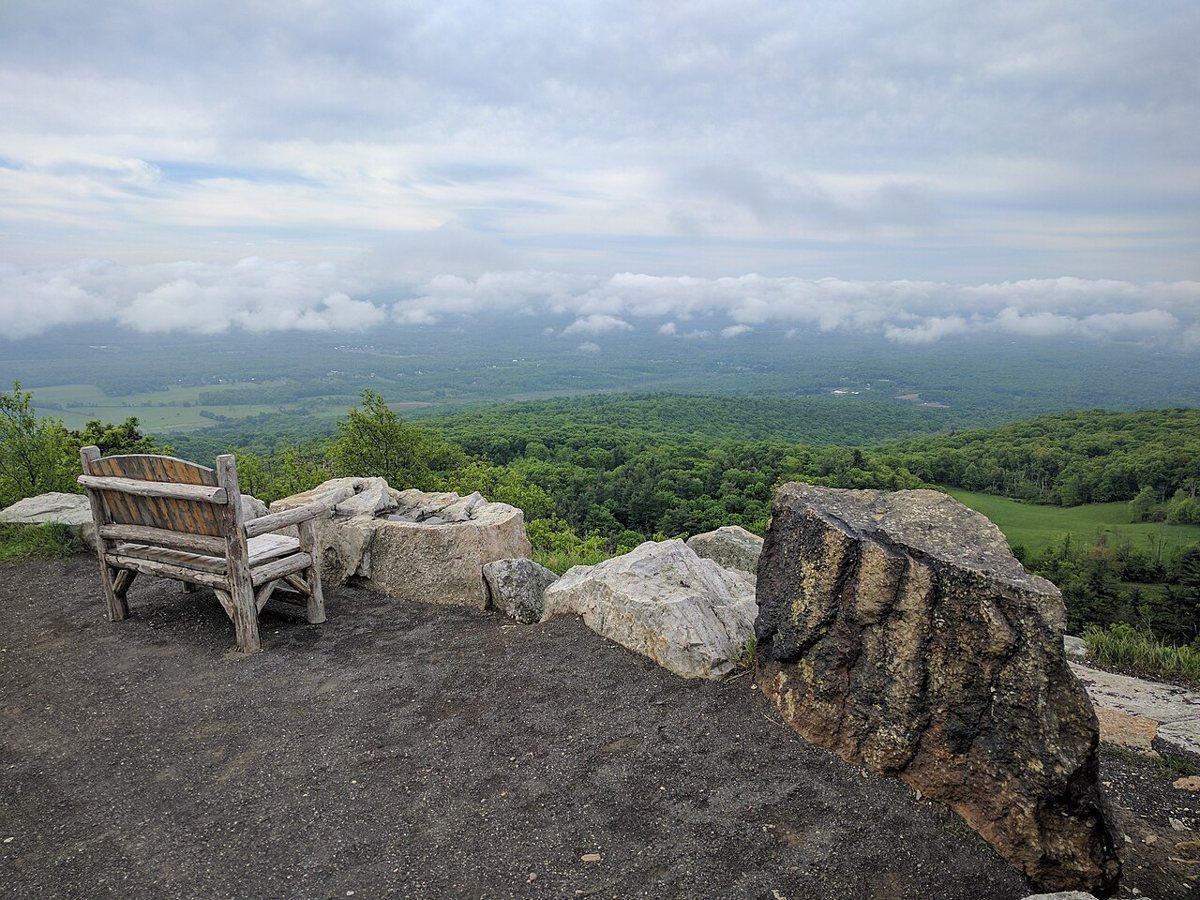
The Catskills stretch the day trip toward its outer limit, close to two hours from the city by car and genuinely difficult without one, but the payoff is real mountain terrain rather than the Hudson Valley's gentler hills. Woodstock keeps its reputation as an arts town with galleries and a village green built for wandering, Phoenicia anchors a stretch of the Esopus Creek popular for tubing in summer, and peaks like Kaaterskill and Overlook Mountain draw hikers to waterfalls and fire towers with views that stretch back toward the Hudson. Kaaterskill Falls, reached by a marked trail off Route 23A, drops in two tiers and ranks among the tallest waterfalls in New York State, a draw for hikers well beyond the immediate area. Hunter and Windham run as ski towns in winter and shift to hiking and breweries the rest of the year. This is the one entry on the list where a car isn't optional so much as the whole point. Bring a full tank of gas and a real trail map, not just a phone.
Out to Long Island: Beaches, Dunes, and Wine
Long Island is where "day trip" gets stretched hardest, because the island runs more than a hundred miles east and the LIRR reaches most of it. Treat the far end as a full-day commitment and the closer beaches as genuinely easy half-day escapes, and the whole island opens up.
Jones Beach and Fire Island
Jones Beach is the closest real ocean to the city that doesn't require a ferry, a six-mile stretch of state park beach with a boardwalk, a band shell that hosts concerts all summer, and a bathhouse straight out of the 1930s, the kind of place that delivers a proper beach day without a long haul. Robert Moses built the park in the late 1920s as one of the first of its kind, a public beach designed with the same grand civic ambition he later brought to the parkway system, and the Art Deco water tower still standing near the entrance is a local landmark of its own. It's an LIRR ride to Freeport or Wantagh followed by a short bus or cab, or a straight shot by car down the parkway that bears its name. Fire Island, further east, is the car-free option: a barrier island reachable only by ferry from Bay Shore or Sayville, with boardwalk "streets" instead of roads and communities like Cherry Grove and the Pines that have their own distinct social scenes, plus a stretch of federally protected wilderness at its center. Pick a weekday for Fire Island if you want the beach without the ferry line.


Montauk and the Hamptons
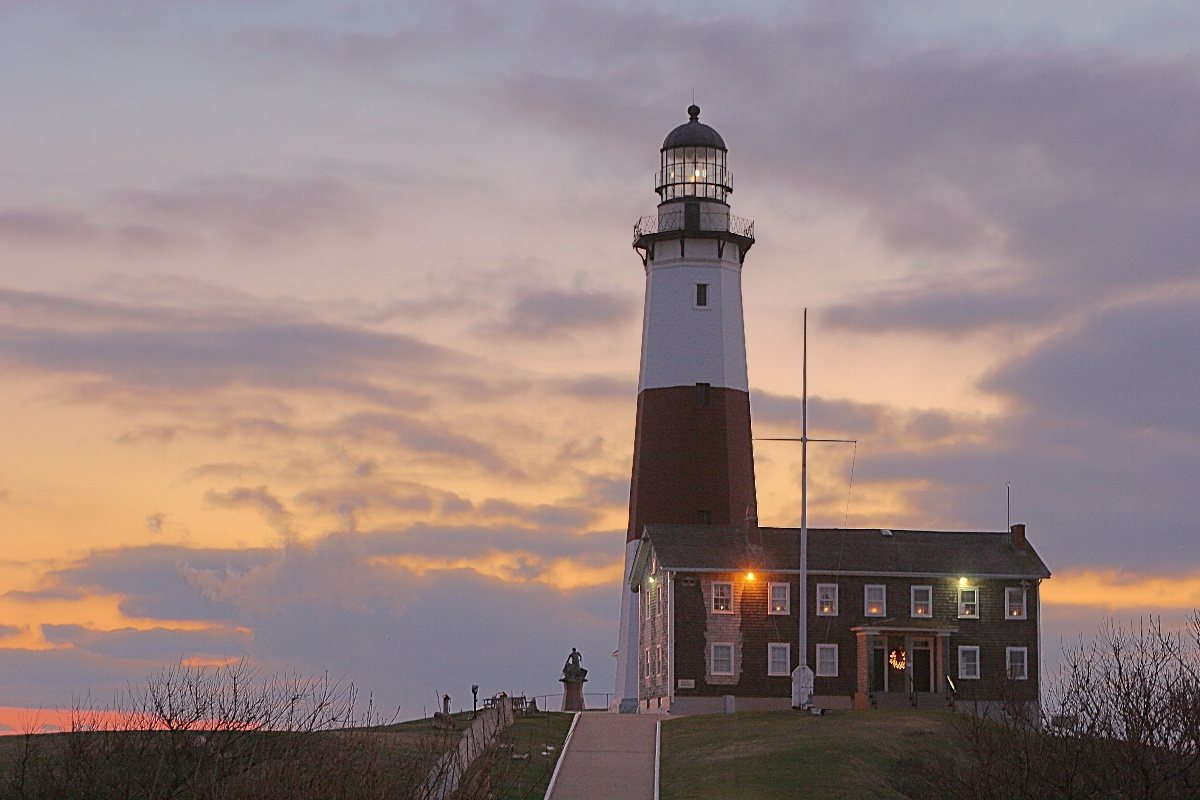
The Hamptons get treated as shorthand for all of eastern Long Island, which undersells both the Hamptons themselves and everything past them. East Hampton and Southampton have their beach clubs and their reputation, but they also have genuinely good public beaches, a strong gallery scene, and Main Streets worth walking regardless of anyone's budget. Montauk, further out at land's end, trades the polish for surf breaks, a working fishing harbor, and a lighthouse that George Washington commissioned, standing on a bluff at the very tip of the island. Completed in 1796, it's the oldest lighthouse in New York State and still functions as an active aid to navigation, its light visible for miles out over open water on a clear night. The LIRR runs a direct summer line all the way to Montauk, which takes about three hours from Penn Station, long enough that this is really an overnight trip more often than not, though determined day-trippers do make the round trip work. Head out to Montauk for the lighthouse at sunset and the surf town feel that the Hamptons proper doesn't have.

The North Fork
While everyone else crowds the South Fork, the North Fork quietly built one of the East Coast's more legitimate wine regions, more than three dozen vineyards spread across flat farmland between the Long Island Sound and Peconic Bay. The industry traces back to 1973, when Louisa and Alex Hargrave planted the region's first wine grapes on what had been potato farmland, betting that the area's maritime climate and sandy soil would behave more like Bordeaux than anyone expected. That first vineyard proved them right, and the wineries that followed built out a stretch of tasting rooms that now draws a steady weekend crowd of its own. Greenport anchors the far end with a working harbor, an old carousel, and a walkable Main Street of oyster bars and ice cream shops. This is a car trip; the vineyards sit miles apart down farm roads no train reaches, though a car service or organized wine tour solves the driving problem for a group. Plan for early fall, after the crowds thin and before the tasting rooms shift to holiday hours.
Down the Shore and Across State Lines
New Jersey and Pennsylvania both sit within easy reach on NJ Transit and Amtrak, and both get overlooked by New Yorkers who forget the region doesn't stop at the state line.
Asbury Park
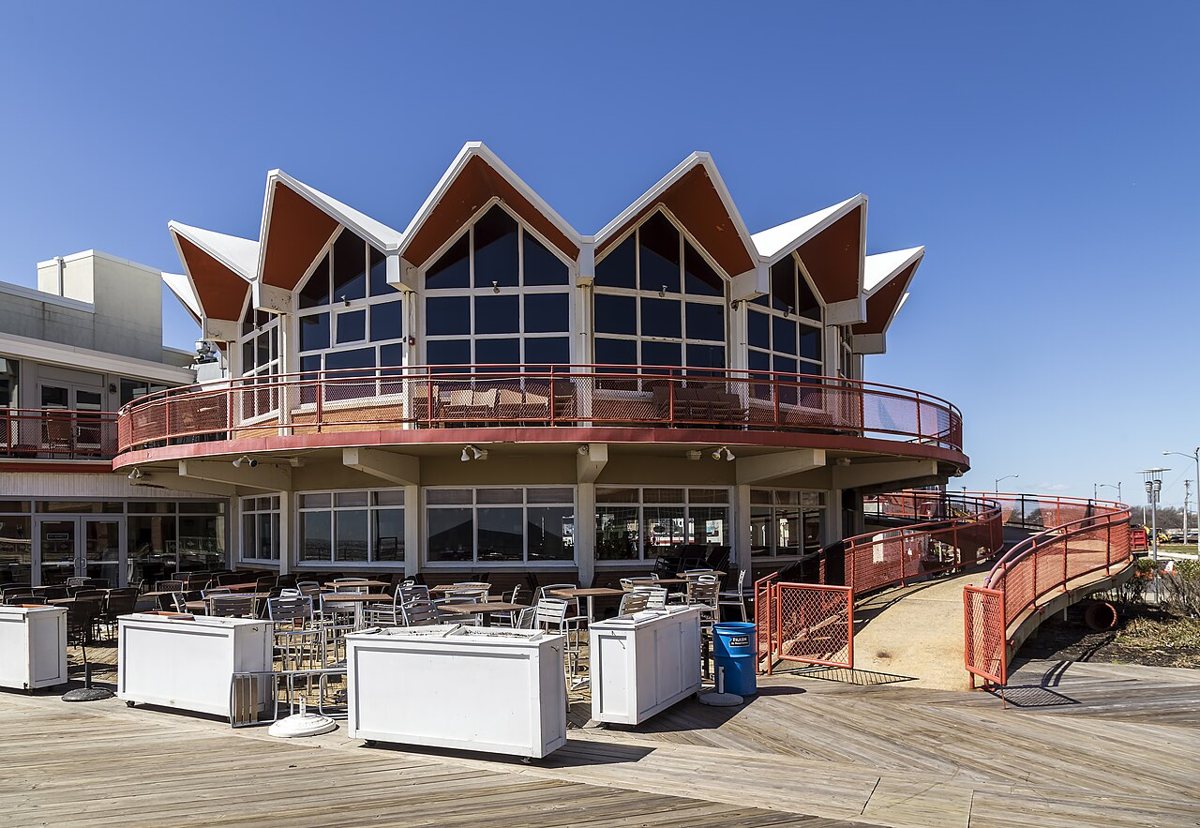
Asbury Park spent decades as a cautionary tale about a faded boardwalk town before rebuilding itself into a genuinely fun day trip, the kind regulars come back to summer after summer. The boardwalk itself, the old Convention Hall, the Stone Pony where Bruce Springsteen built his early reputation, and a beach that gets a real crowd on summer weekends all sit within a few blocks of each other. Cookman Avenue behind the boardwalk has turned into a genuine restaurant and shopping strip. NJ Transit runs a direct line from Penn Station to Asbury Park in a little over two hours with one transfer in most cases. Check the schedule for a summer concert at the Stone Pony or Convention Hall.

Philadelphia
Philadelphia stretches the definition of day trip since it's genuinely a city and not a village or a beach, but Amtrak's Acela and Northeast Regional trains cover the distance from Penn Station in under two hours, and NJ Transit plus SEPTA can do it cheaper if slower. Independence Hall and the Liberty Bell anchor the historic core; Independence Hall is a UNESCO World Heritage Site, the building where both the Declaration of Independence and the Constitution were debated and signed. The Philadelphia Museum of Art comes with the Rocky steps whether you run them or not, and Reading Terminal Market, open in one form since 1893 and still run by a mix of Amish farm stands and old-school Philly lunch counters, covers lunch better than almost anywhere in the five boroughs. Center City is walkable enough that a car adds nothing. Line up a First Friday if the timing works, when Old City galleries stay open late.
Into Connecticut: New Haven
New Haven sits about ninety minutes up Metro-North's New Haven Line, close enough that some New Yorkers treat it as a slightly longer version of a Hudson Valley trip. Yale, founded in 1701 and moved to New Haven a few years later, gives the city its Gothic stone quads that look older than they actually are; the campus is free to walk through and anchors most of the city's museums, including the Yale University Art Gallery, which doesn't charge admission. The real reason to go, for a lot of people, is apizza: thin, charred, coal-fired pies at Frank Pepe's, opened by Frank Pepe in 1925, or Sally's Apizza, opened by his nephew a block away in 1938, both predating the New York slice's dominance and both still drawing lines on a Saturday night. The Metro-North station sits a short walk from both the campus and the pizza row on Wooster Street. Come hungry and split more than one pie between a group.


The Ferry Escape: Governors Island
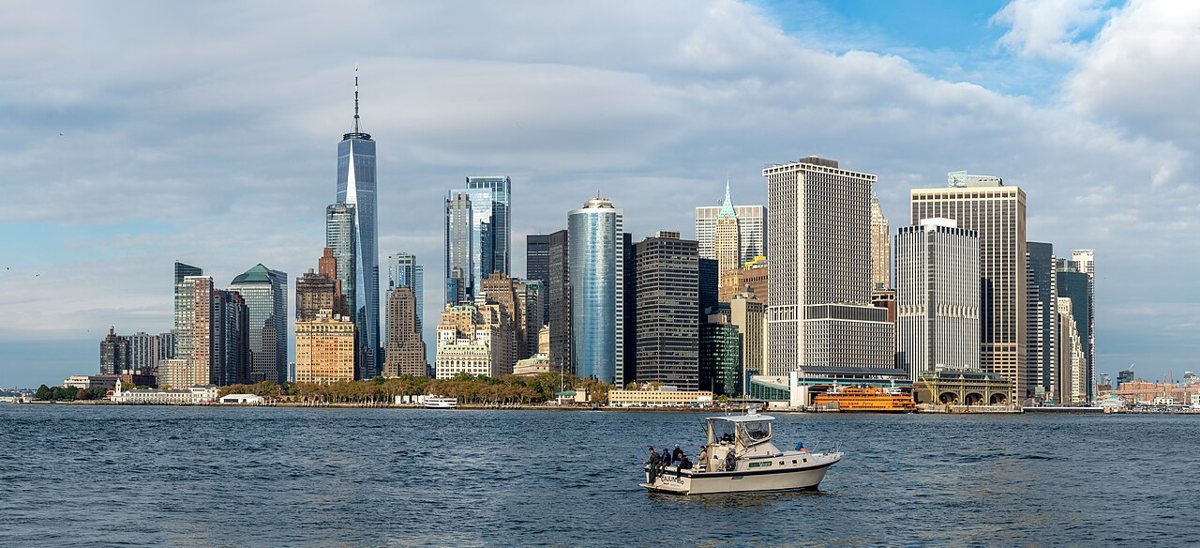
Governors Island doesn't require a train ticket or a car at all, just an eight-minute ferry ride from Lower Manhattan or Brooklyn Bridge Park, which makes it the shortest possible version of a day trip and a real option for anyone without a full day to spare. The island served as a military post for nearly two hundred years, first for the Army and later the Coast Guard, and the fortifications from that era are still standing: Fort Jay, a star-shaped fort dating to the early 1800s, and Castle Williams, a round sandstone fort built to defend the harbor during the War of 1812. Both are part of a National Monument now, folded into car-free paths that wind past old officers' housing, hammock groves, and rotating art installations, with wide lawns built for exactly the kind of picnic that's hard to find space for anywhere else in the harbor. Weekday afternoons give a quieter version of the island that weekend crowds don't allow.

The Practical Rundown: Train, Car, and Timing
Not every trip on this list needs a car, and knowing which ones do saves a lot of wasted planning.
- Train-only, no car needed: Beacon, Cold Spring, Poughkeepsie and the Walkway, Bear Mountain (via Peekskill and a connecting bus), Sleepy Hollow and Tarrytown, Jones Beach, Fire Island, Asbury Park, Philadelphia, New Haven, Governors Island.
- Car recommended or required: Storm King Art Center, New Paltz and the Mohonk Preserve, the Catskills, the North Fork wineries, most of the Hamptons beyond the train station towns.
- Cheapest options: the Governors Island ferry, Jones Beach, and the free grounds at Storm King and the Walkway Over the Hudson all keep the cost of the day close to zero beyond transit.
- Timing: Hudson Valley towns and the Catskills peak in October for foliage and get crowded accordingly, the ocean trips peak from June through Labor Day, and New Haven and Philadelphia work year-round.
None of this requires abandoning the city for a week. It requires a train schedule checked the night before, a rough plan for how to get back if the last train runs earlier than expected, and a willingness to treat the region past the five boroughs as part of New York life rather than a separate errand. The Hudson Valley towns reward repeat visits across seasons more than any single trip. The ocean along Jones Beach and out past Montauk sits closer than most people who've lived here for years actually realize. Skip the idea that a real escape means the Hamptons or nothing. The best day trips from New York were never about one destination. They're about picking a direction and getting on the train.