Things to Do in New York: A Local's Guide
From the Brooklyn Bridge to the Flushing food courts to Prospect Park on a Saturday afternoon, a borough-by-borough guide to what's actually worth your time in New York City.
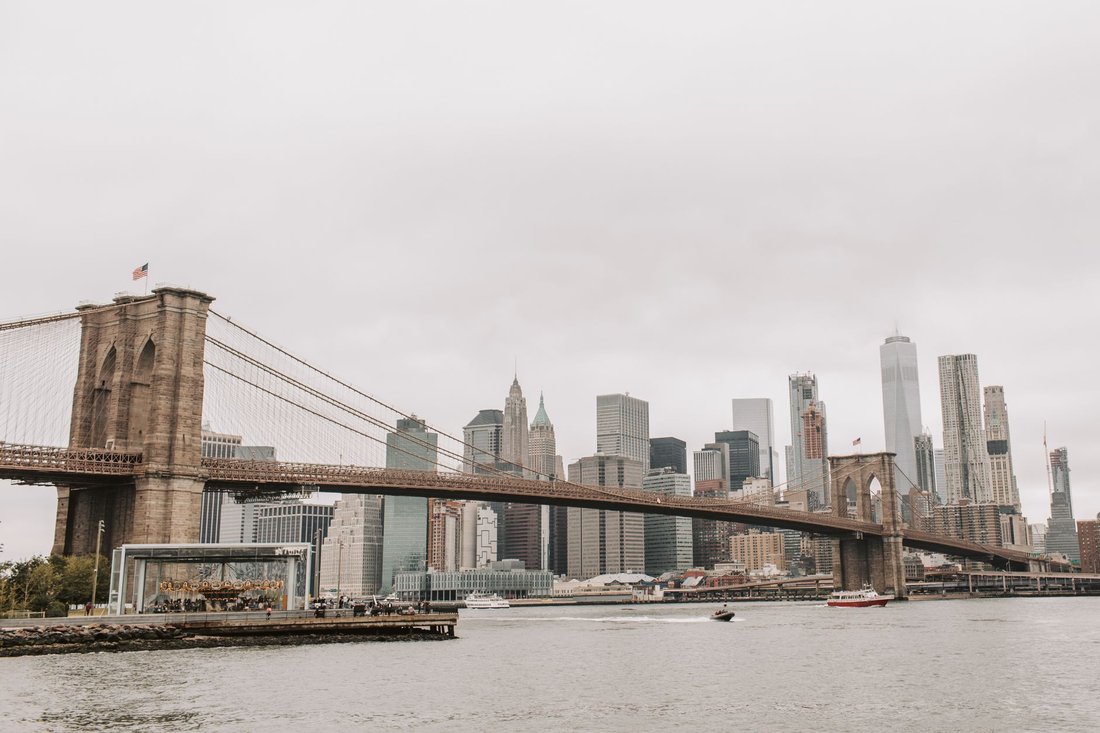
It's a Tuesday at 7 a.m. and a guy in a hard hat is eating a bacon-egg-and-cheese over a bodega counter on Flatbush Avenue while the C train rattles the grates above DeKalb. Nobody's performing anything. The city is just running. That's what things to do in New York actually looks like most of the time — not a bucket list, not a montage, but a hundred small decisions inside a city that has more going on in any given square mile than most places have on a good weekend. This guide is organized to help you find your way into it, whether you've got two hours or two weeks, whether you're trying Flushing dim sum for the first time or finally getting yourself to the Apollo.
Manhattan: More Than the Obvious
Central Park
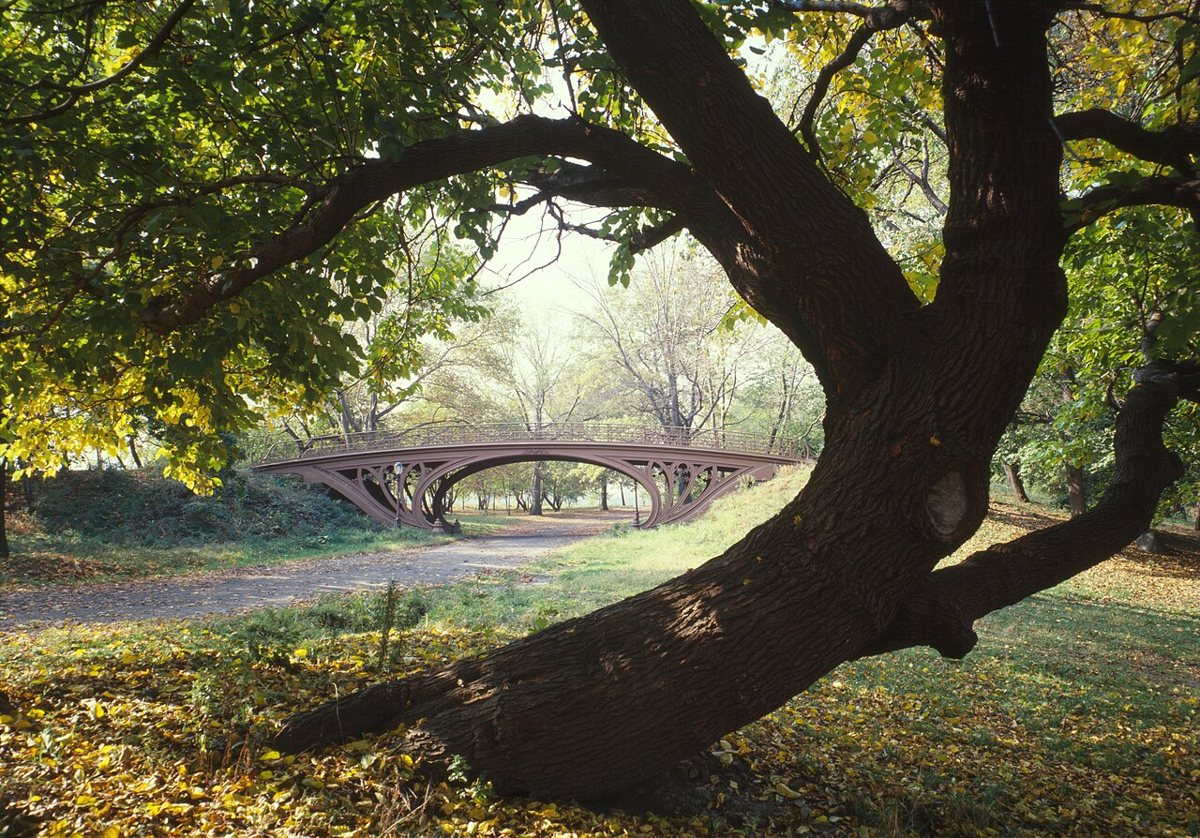
You already know Central Park exists. What most visitors do is walk in at the Midtown entrance, shoot a photo of Bethesda Fountain, and leave. That's fine, but it barely scratches the surface of 843 acres. Go to the Ramble — a 36-acre wooded section designed to feel genuinely wild — in early May when migratory birds pass through and birders from all five boroughs set up with binoculars at dawn. In winter, the pond near 59th Street freezes and the skyline reflects on the ice. Locals use the park as a park: running the 1.58-mile loop around the reservoir, playing chess at the tables near 65th Street, reading on the slope behind the Met. The park is free to enter. Concerts and performances at Summerstage have a mix of free and ticketed shows; check the schedule. The Great Lawn opens for major events and ordinary afternoons alike.

The Metropolitan Museum of Art
The Met is the kind of place where you could go every Sunday for ten years and still find a gallery you'd never entered. At five million square feet and with over two million objects in the collection, it is among the largest art museums in the world — Egyptian temple, Greek and Roman antiquities, the Arms and Armor hall, a rooftop sculpture garden with Manhattan views, and rotating temporary exhibitions that draw international attention. New York State residents pay what they wish for admission; check the museum's current policy. Don't try to see everything. Pick two or three wings, go slowly, and eat at the cafeteria. The Lila Acheson Wallace Wing for modern and contemporary art and the American Wing's period rooms are consistently worth the time. On Friday and Saturday nights in warmer months, the rooftop bar is a genuinely good place to be.

The High Line
The High Line gets a lot of tourist traffic, and that's not really the locals' favorite thing about it. But the complaints miss the point: an old freight rail line lifted above the street and converted into a public park running 1.45 miles through the West Side of Manhattan, from Gansevoort Street in the Meatpacking District up to Hudson Yards, is genuinely remarkable infrastructure and a legitimate accomplishment. Early on a weekday morning, the garden sections are nearly empty. The plantings are designed by landscape architect Piet Oudolf, and they look best in late October when the grasses go golden. Get on at Gansevoort and walk north. Midway up, the 10th Avenue Square overlooks traffic below through a framed cutout — a window that makes the street feel like theater. The High Line connects naturally to the Whitney Museum at the southern end, one of the best buildings in the city and home to a serious American art collection.

Brooklyn: More Than One Neighborhood
Prospect Park
Prospect Park is the park that Brooklyn actually uses. Olmsted and Vaux designed it after Central Park and considered it the better work. The Long Meadow — at 90 acres, the longest open meadow in any American urban park — fills on summer weekends with the kind of genuine cross-borough mixing that makes New York worth talking about: families from Flatbush, Haitian families from Crown Heights, West Indian festival-goers in late August, kids playing soccer on every available patch of grass. The Boathouse on the eastern side runs free pedal boat rentals (check for current scheduling) and a farmers market. The Audubon Center in the park hosts programming for kids. In winter, the hill near the Parade Ground becomes an actual sled run. The park is free. The adjacent Brooklyn Botanic Garden — technically separate, a small admission fee for non-residents — is extraordinary in late April when the Japanese cherry trees bloom.


The Brooklyn Museum
The Brooklyn Museum is where to go when the Met feels like a marathon and you want to actually look at things. It's one of the largest art museums in the country and consistently underrated by people who never make it past Manhattan. The Egyptian collection rivals the Met's. The first-floor Elizabeth A. Sackler Center for Feminist Art houses Judy Chicago's The Dinner Party, a permanent installation that is, without any irony, among the most significant works of American art from the 20th century. First Saturdays — the free evening event on the first Saturday of each month — has been a community institution for years: art, music, dancing, free admission. The museum sits directly at the top of Prospect Park's main entrance at Grand Army Plaza, next to the farmers market that runs Saturdays year-round. For a proper slice before or after, walk down Vanderbilt Avenue into Prospect Heights.

The Brooklyn Bridge
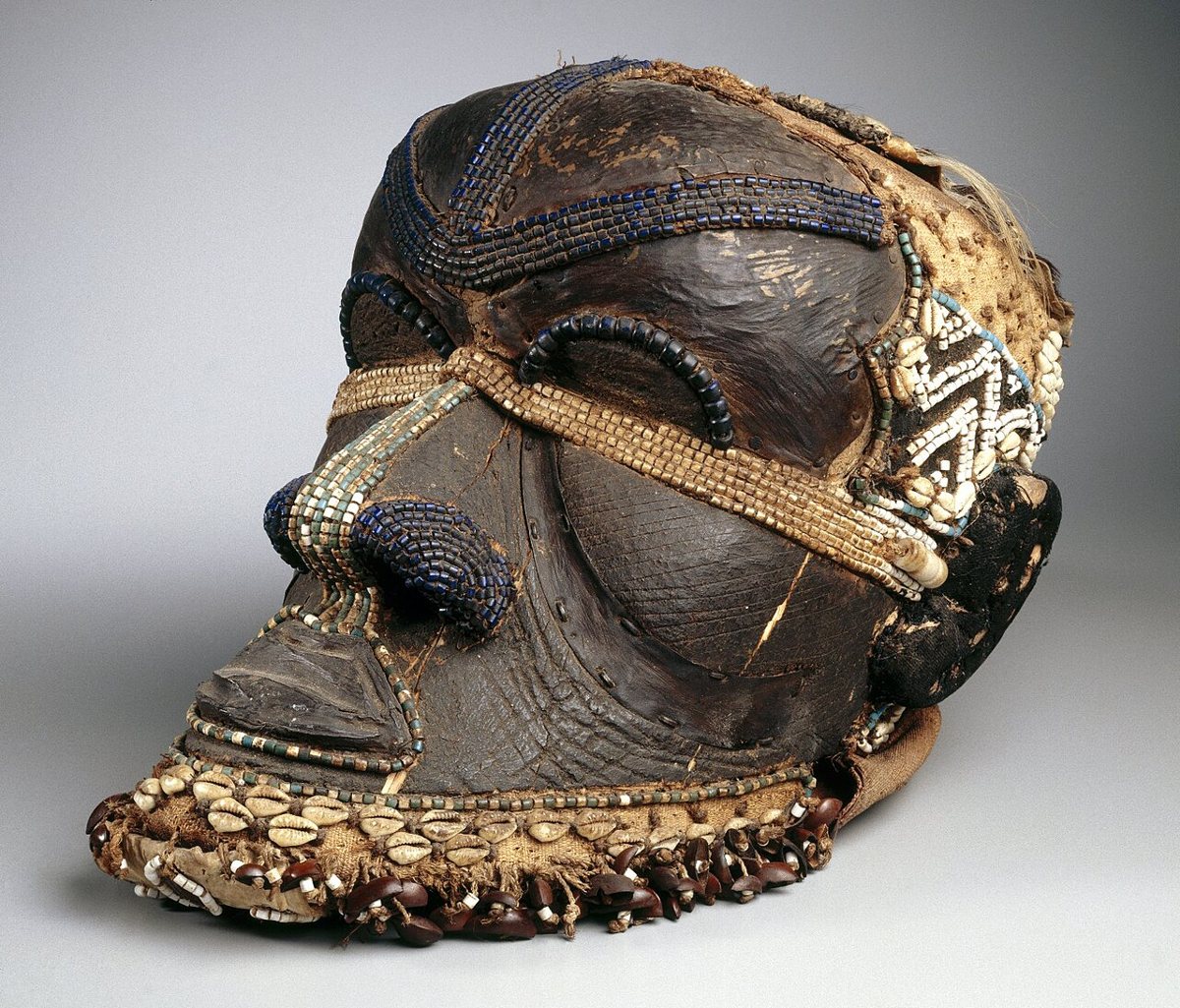
Walking the Brooklyn Bridge is one of the few experiences that delivers on its reputation. The bridge opened in 1883 and was, for a period, the longest suspension bridge in the world. The wooden pedestrian boardwalk sits above the car lanes and runs 1.3 miles from lower Manhattan to DUMBO on the Brooklyn side. Head over early on a weekend morning, before the tour buses arrive, and the light from the east hits the towers in a way that is frankly difficult to photograph adequately. Over on the Brooklyn side, drop into DUMBO: the cobblestone blocks between the Brooklyn Bridge and the Manhattan Bridge have good coffee, a strong farmers market on Sundays, and the view back toward Manhattan from the corner of Washington and Water Streets is among the most photographed in the city for legitimate reasons. Then walk into Brooklyn Heights along Columbia Heights to see the Promenade, whose railing offers the best skyline view of lower Manhattan you can get without paying for anything.

Queens: Where Eating Is the Activity
Jackson Heights
Jackson Heights, Queens, is among the most linguistically diverse places on the planet — more than 160 languages spoken within walking distance of the 74th Street-Roosevelt Avenue station on the 7 train. The commercial strip on Roosevelt Avenue and 74th Street is an all-day argument for why New York is actually worth the rent. You'll find Nepali, Tibetan, Colombian, Ecuadorian, Indian, Bangladeshi, and Mexican restaurants within blocks of each other, many of them excellent and none of them expensive. The Jackson Heights Greenmarket runs on Sundays. Diversity Plaza at 37th Road is a small pedestrian park that functions as a genuine community gathering space. Weekend afternoons bring food carts, music, and the kind of crowd that makes any tourist-oriented "cultural district" anywhere else look like a stage set. For someone new to the neighborhood, take the 7 to 74th Street and walk Roosevelt Avenue east toward 90th Street, then cut back on 37th Avenue — you'll hit almost everything worth hitting. This is also the right neighborhood to figure out where to eat in this city.

Flushing, Queens
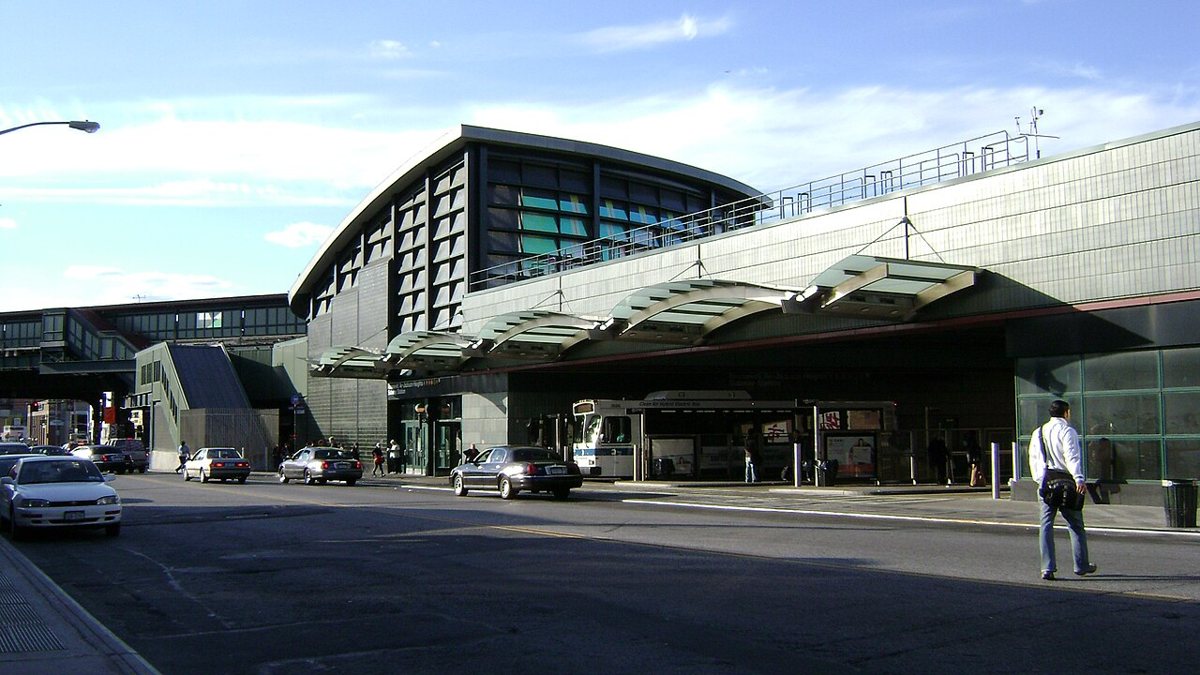
Flushing is the center of Chinese-American life in New York in a way that Chinatown in Manhattan hasn't been for a generation. The main commercial strip runs from the 7 train's last stop at Main Street through a dense grid of restaurants, malls, and food courts. The New World Mall food court in the basement of the mall at 136-20 Roosevelt Avenue is the single best argument for the subway being worth riding: dozens of stalls, regional Chinese cooking including Sichuan, Shanghainese, Fujianese, and Cantonese, plus Taiwanese shaved ice and bubble tea operations, all in one underground room. Weekend dim sum at one of the full-service restaurants on Main Street — several well-established spots have been operating for decades — is a different experience from dim sum elsewhere in the city: louder, more efficient, and genuinely better. Flushing Meadows-Corona Park is also here, 897 acres with the Unisphere (the massive steel globe from the 1964 World's Fair), two baseball stadiums adjacent, and the Queens Museum, which houses an extraordinary scale model of all five boroughs.
The Bronx: Two Reasons to Go
Yankee Stadium and Arthur Avenue
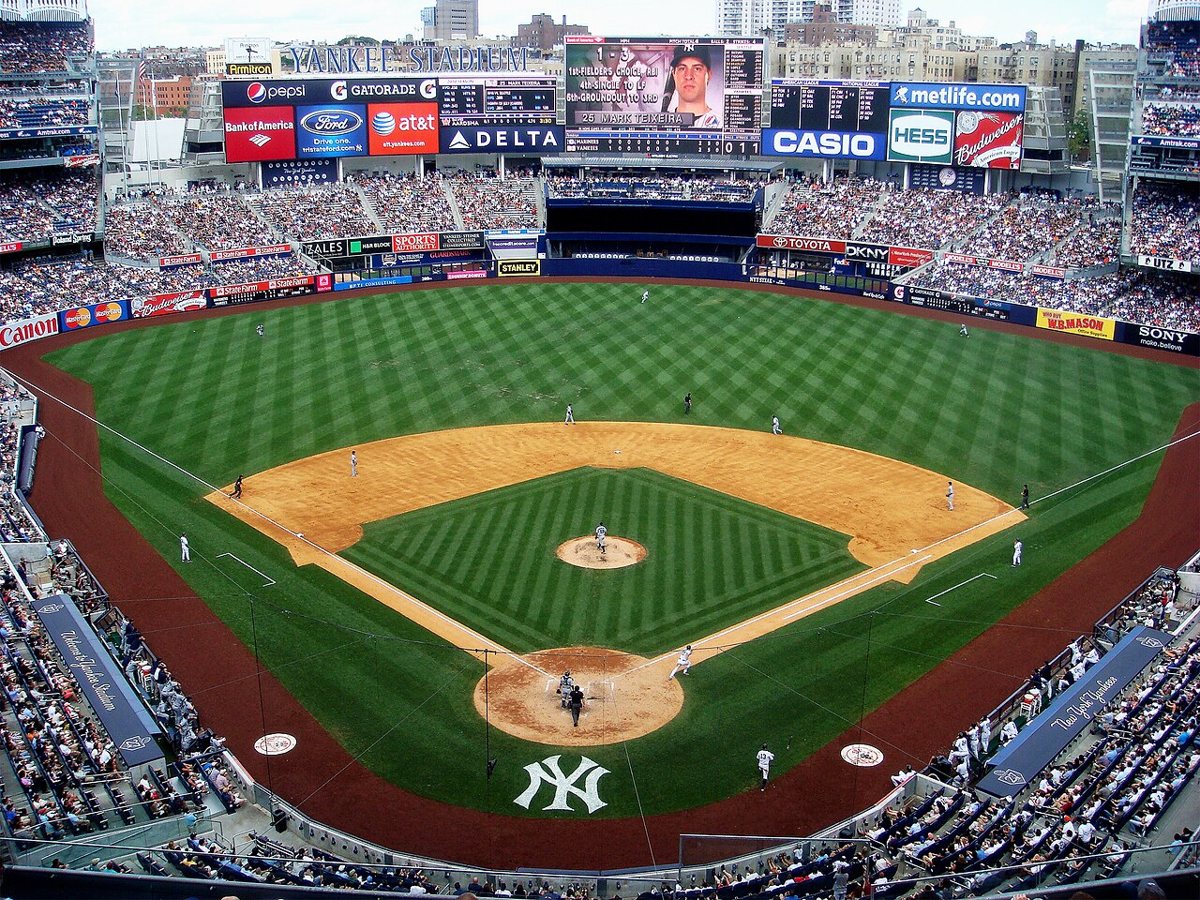
Yankee Stadium is a baseball stadium and a New York institution, opened in 2009 on the site of the original 1923 stadium. A game there — day game in July, bleacher seats, the view of the field from the upper deck — is a specific pleasure that doesn't require being a Yankees fan to appreciate. The neighborhood around the stadium has been through decades of disinvestment and is slowly in the middle of something different; it's worth knowing that context. A mile away, Arthur Avenue in the Belmont neighborhood is the Bronx's old Italian-American commercial strip, still operating: pasta shops, butchers, cheese importers, bakeries, and several red-sauce restaurants that have been operating since the mid-20th century. The Arthur Avenue Retail Market is an indoor market of vendors selling cured meats, mozzarella, bread, and produce. It's the real version of what a lot of places try to be.

Upper Manhattan: Harlem and Beyond
The Apollo Theater
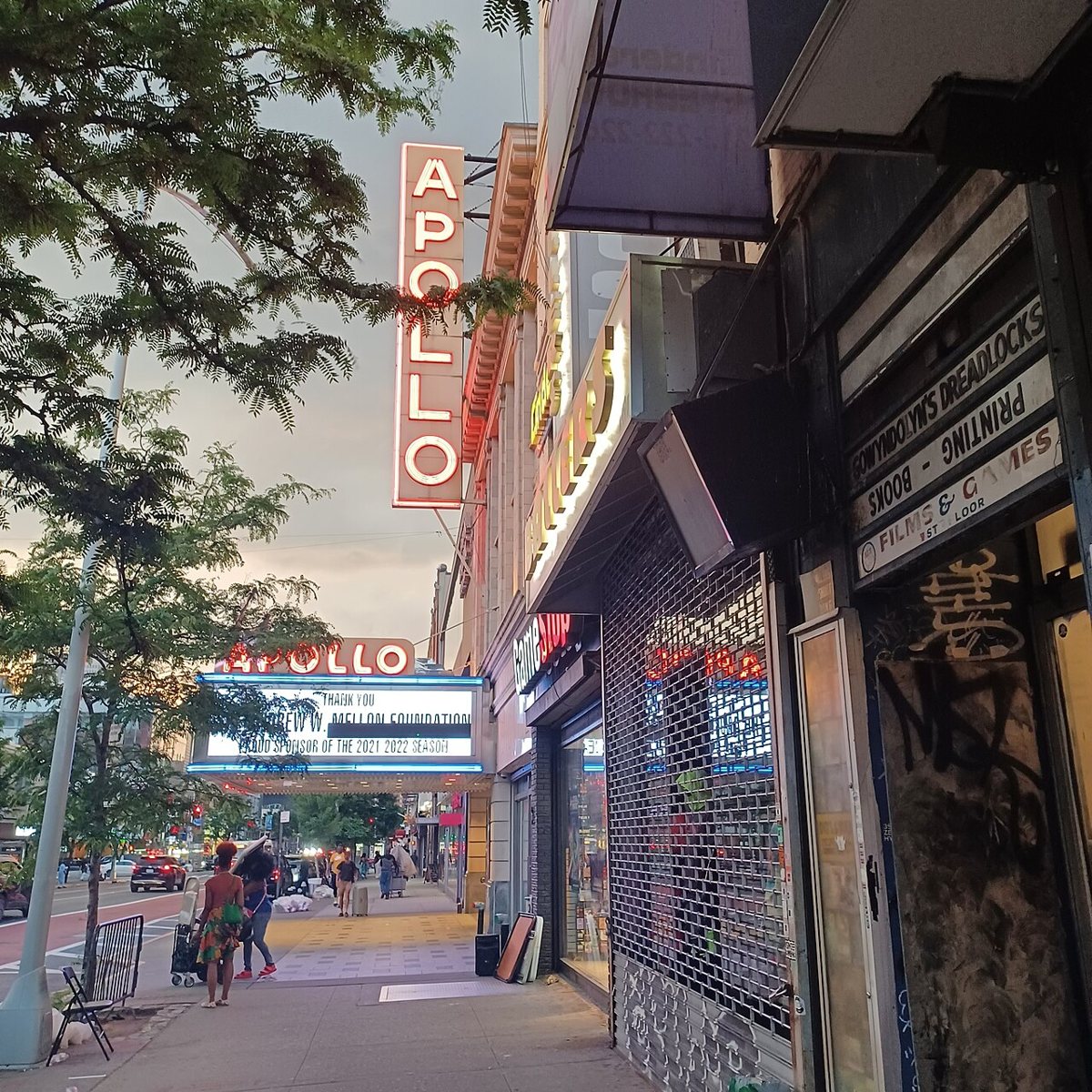
The Apollo Theater at 253 West 125th Street in Harlem has been at the center of Black American music and performance for close to a century. Ella Fitzgerald, James Brown, Stevie Wonder, and hundreds of others made careers on that stage. Amateur Night at the Apollo — a live competition format that's been running in various forms since 1934 — still happens regularly and is one of the best live shows in the city: real stakes, a crowd that pays close attention, and performers ranging from genuinely brilliant to memorably rough. The theater also runs more polished ticketed shows through the year. Walking the stretch of 125th Street from the Apollo east toward Lenox Avenue gives you Harlem's main commercial spine: the Studio Museum in Harlem (which focuses on art by artists of African descent), the National Jazz Museum in Harlem on 126th Street, and Marcus Garvey Park a few blocks north.

The American Museum of Natural History
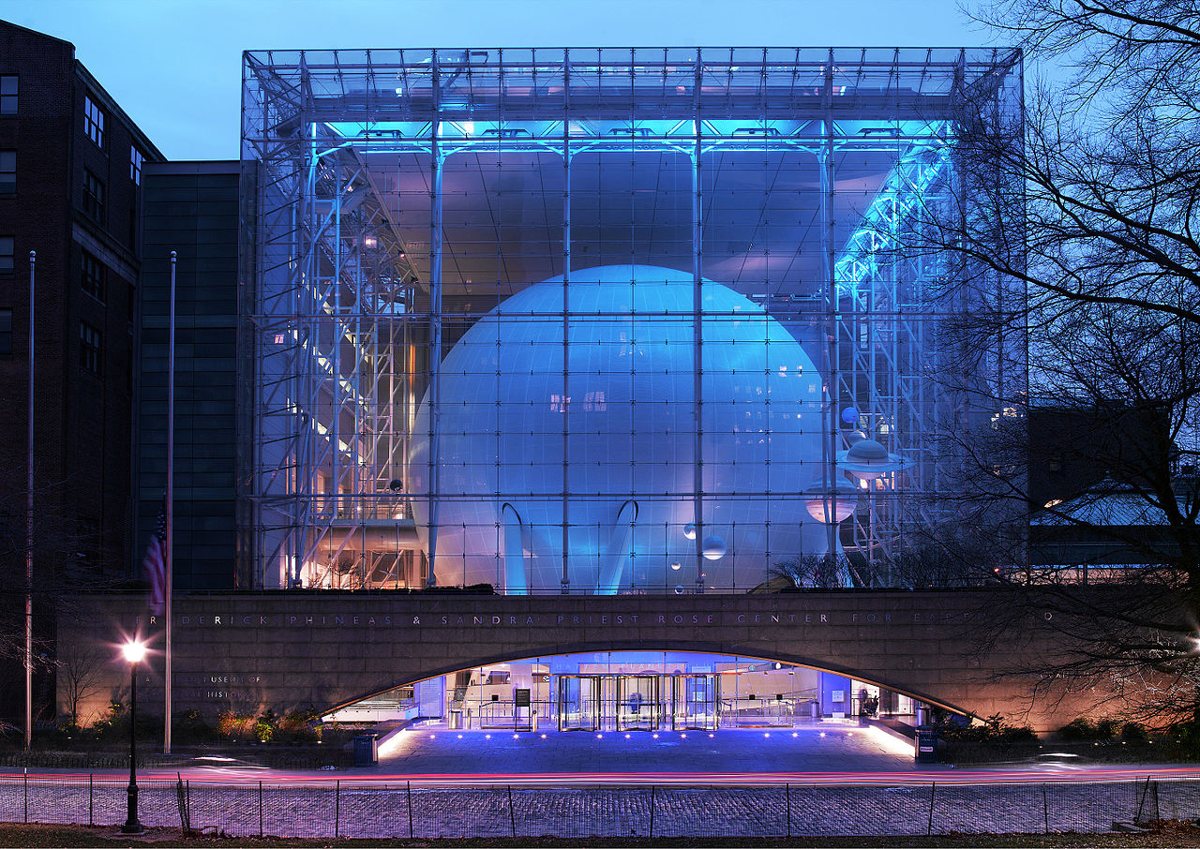
The AMNH on the Upper West Side sits at Central Park West and 79th Street and has been there since 1869. The dinosaur halls were renovated in the 1990s and remain among the best science exhibition spaces in the country — the fossil prep is rigorous and the mounts are genuinely current with paleontological understanding. The Rose Center for Earth and Space, added in 2000, is a glass box containing a sphere: the Hayden Planetarium is inside, and the exhibits wrapping the sphere's exterior deal with cosmic scale in a way that's worth slowing down for. New York State residents often pay suggested admission rather than a set fee; check current policy. The Hall of Ocean Life with the blue whale suspended from the ceiling has been in continuous operation for over 50 years and still produces a specific feeling of scale that's hard to manufacture elsewhere.

Downtown: Grand Central and the Staten Island Ferry
Grand Central Terminal
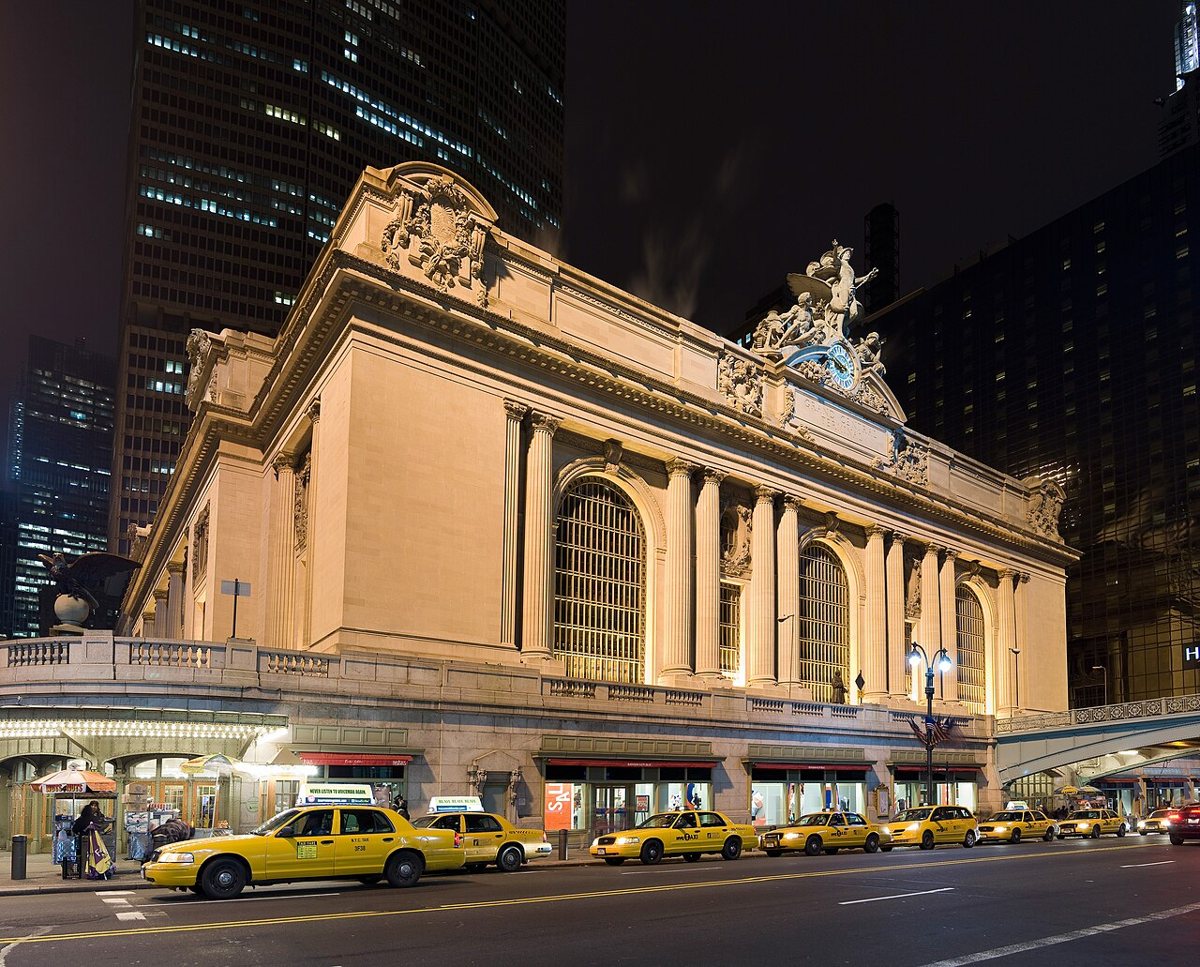
Grand Central Terminal at 42nd Street and Park Avenue is a functional commuter rail hub and one of the few spaces in New York where people reliably stop and look up. The main concourse ceiling — a mural of the winter night sky in Mediterranean blue and gold — covers 12,000 square feet. The terminal was completed in 1913 and is among the most significant pieces of Beaux-Arts architecture in the country; it narrowly survived demolition in the 1970s after Penn Station was torn down and the fight over Grand Central became a catalyzing moment for historic preservation law in New York. The lower dining concourse has a food hall with good options for a fast meal. The whispering gallery near the Oyster Bar — stand at a corner of the tiled arched space outside the restaurant and speak quietly toward the wall — actually works. It's free to walk through; you just need a MetroCard if you're catching a Metro-North train.

The Staten Island Ferry
The Staten Island Ferry runs 24 hours a day, 365 days a year, between Whitehall Terminal in lower Manhattan and St. George Terminal in Staten Island. The fare is free in both directions. The 25-minute crossing goes directly past the Statue of Liberty and has an unobstructed view of the lower Manhattan skyline from the water — closer than any tourist boat and, again, free. Most people ride it just for the view and turn around, which is a perfectly legitimate use of the ferry. If you want to actually get to Staten Island, the St. George neighborhood has a growing restaurant scene and the Staten Island Museum in the terminal building is worth a quick look. The best time for the crossing is late afternoon heading back from Staten Island toward Manhattan: the low western sun hits the skyline and the harbor from an angle that's hard to beat.
Getting Around
Take the train. The MTA subway is the connective tissue of every neighborhood on this list; without it, a trip from Flushing to the Brooklyn Museum takes an hour by car and twenty minutes by train. A single-ride MetroCard or OMNY tap covers any subway or bus trip. The 7 train runs from Times Square to Flushing through Jackson Heights and is among the most useful tourist routes in the system. The A train from lower Manhattan runs express to Brooklyn and Queens. The 4/5/6 line covers the East Side of Manhattan from the Bronx to lower Manhattan.
On timing: most major museums are free or pay-what-you-wish for New York State residents; verify this before paying full listed price. The Brooklyn Museum's First Saturday is free. Central Park and Prospect Park are always free. The Staten Island Ferry is free. The Brooklyn Bridge pedestrian path is free. The High Line is free. Grand Central Terminal is free to walk through.
- Weekday mornings are dramatically less crowded at the High Line and Brooklyn Bridge than weekend afternoons.
- Museum-hopping works well on Fridays when several institutions have extended evening hours.
- The 7 train on a Sunday morning is quiet and fast; use it to get to Jackson Heights or Flushing for brunch.
- The Staten Island Ferry view is best on a clear day in any season; avoid heavy fog.
- Prospect Park is genuinely all-day in good weather; pack food or eat from vendors around Grand Army Plaza.
A Word on What New York Actually Is
Every few years a piece runs somewhere about how New York has lost its edge, or how it's only for the rich now, or how some other city is the real creative center of the country. Some of those concerns are legitimate. The city has gotten expensive in ways that have genuinely displaced communities, and it would be dishonest to pretend otherwise. But the idea that New York is somehow over doesn't hold up to a Tuesday in Jackson Heights or a Saturday at the Brooklyn Museum's First Saturday or a slow walk through the Ramble at dawn. The scale of it — the sheer number of people, languages, institutions, and neighborhoods packed into 302 square miles — means that novelty is genuinely built into the structure. You can live here for 14 years in Bed-Stuy and still find a block you've never been on. None of that is a pitch. It's just what the city is.
The places on this list are not secrets. They are the places worth your time, described as accurately as possible. Go to the ones that fit your interests; don't go to the ones that don't. And if someone tells you to "check out Times Square," you now know enough to redirect them toward the 7 train.