Things to Do in Williamsburg, Block by Block
From the L train doors at Bedford Av to the last slice of light over the water at Domino Park, here's every block of Williamsburg worth your time, organized the way locals actually walk it.
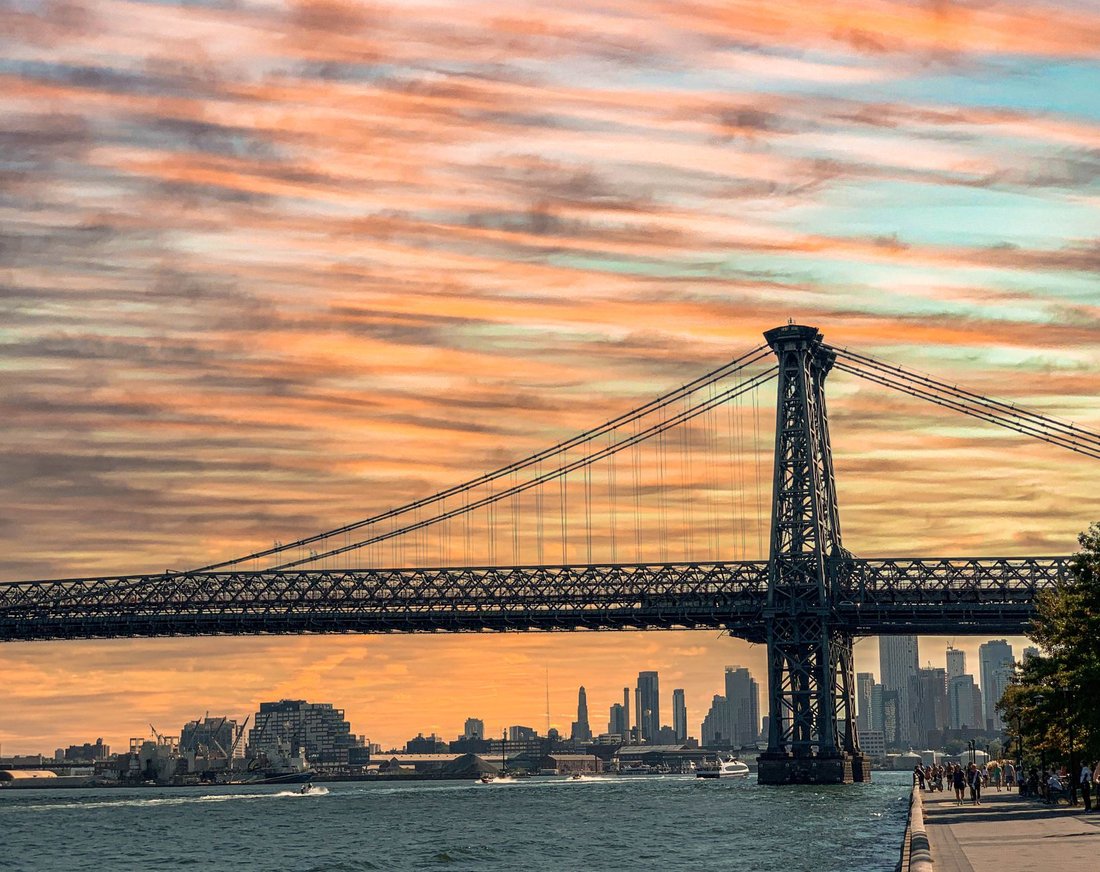
The doors open at Bedford Av and the platform exhales its usual mix of skateboard wheels, stroller wheels, and somebody's dog straining toward the stairs. You climb up into daylight and there it is: Bedford Avenue doing its five-lane hustle, bike messengers cutting the corner too fast, a guy selling incense next to a guy selling vintage Rangers jerseys, and somewhere past the low rooftops, that flat silver light off the East River that tells you the water isn't far. This is the entry point for most people's things to do in Williamsburg itinerary, and it's a fine place to start, but Bedford is maybe fifteen percent of the neighborhood's actual story. Williamsburg runs from the bridge that shares its name down through blocks of rowhouses that still smell like the neighborhood's Italian and Puerto Rican decades, out to a waterfront that got handed back to the public one park at a time, and up into a North Side that's gone from punk squats to blown-glass chandeliers without ever fully deciding which one it is. The neighborhood has absorbed waves of newcomers before this one, German and Austrian brewers in the 1800s, Italian and Eastern European families after that, Puerto Rican and Dominican families through the middle of the twentieth century, and each wave left something behind that's still standing if you know where to look. Walking it block by block, rather than sticking to whatever three blocks show up on a phone screen, is the only way to get the whole picture instead of the postcard.
Brooklyn is not Williamsburg. It's worth saying up front, because outsiders flatten the borough into whatever neighborhood they saw on a TV show, and locals in Bushwick or Sunset Park or Bay Ridge will tell you exactly how they feel about that. Williamsburg is one neighborhood among dozens, each with its own bodega orders and its own opinion about the L train. But it's also a genuinely dense stretch of real things to do, packed into a footprint you can walk end to end in under an hour if you don't stop. You will stop. Here's where.
Bedford Avenue and the Commercial Spine
Bedford Avenue is the neighborhood's main artery and its most argued-over stretch of pavement. Two decades ago it was record shops and thrift stores; now it's a mix of both alongside international chains that moved in once the rents made sense for them and not much else. Walk it anyway. The blocks between North 4th and North 8th still carry the density of small storefronts that made Williamsburg a walking neighborhood in the first place: coffee counters with three seats, a used bookstore that's been sold and resold but never closed, boutiques stocking Brooklyn-made everything from ceramics to candles. The energy shifts by the block. Near the L station it's tourists checking phones and locals trying to get around them. Further north it thins out into residential quiet, brownstones and low apartment buildings that remind you people actually live here, in large numbers, and have for generations. Side streets off Bedford, Driggs and Havemeyer especially, hold the kind of small operations that don't make it onto any list: a tailor who's been altering the same regulars' clothes for years, a diner booth that's outlasted three waves of what got built around it, a corner store where the owner still knows half the block by name. None of it photographs particularly well, which is exactly why it's worth seeking out instead of walking past on the way to somewhere louder.
The Music Hall of Williamsburg
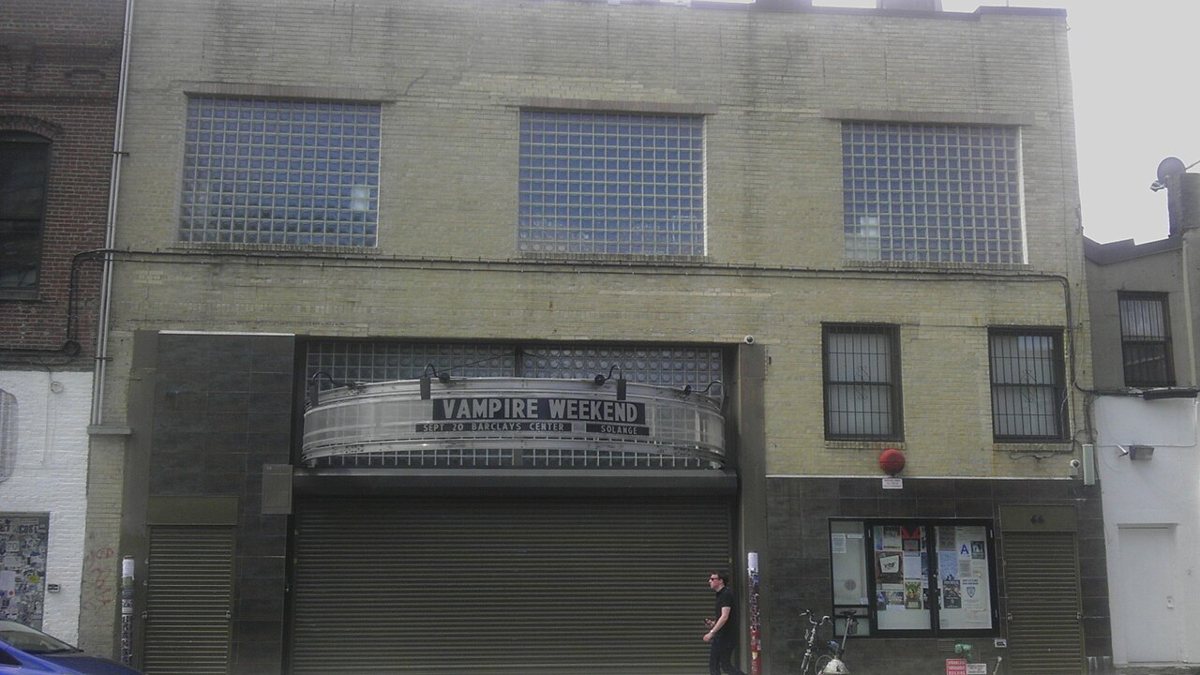
A block or so off Bedford sits the Music Hall of Williamsburg, a mid-size venue that's hosted a genuinely wide range of acts on their way up or on a victory lap, in a converted building a block off the main drag. It's the kind of venue New York needs more of: big enough for a real production, small enough that you can still see the drummer's face from the back. Check the calendar before you go since the lineup changes constantly, but the room itself is worth knowing about even if you're not there for a specific show, because it's a good marker for how this stretch of the neighborhood balances commerce and actual culture.

The Waterfront: Where Things to Do in Williamsburg Actually Peaks
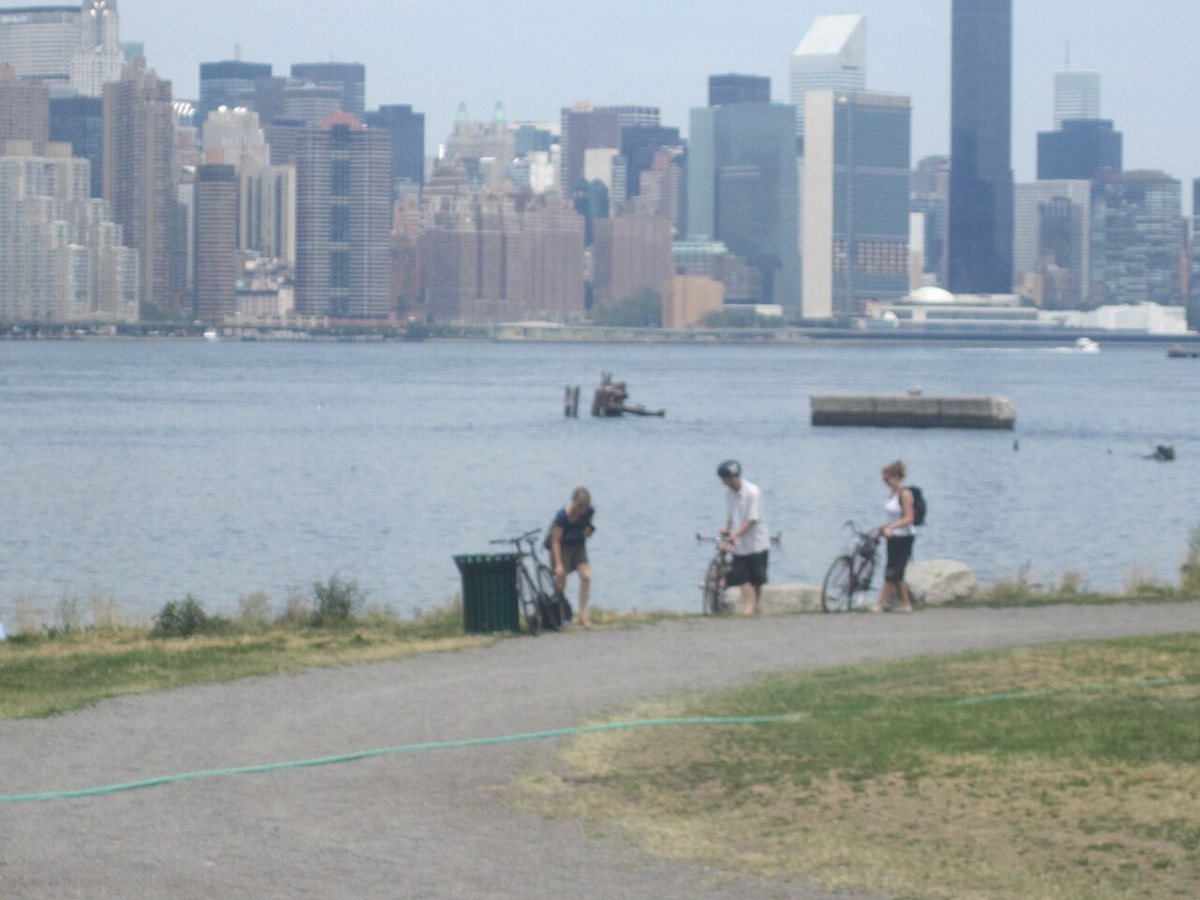
If you only have an afternoon, spend it here. The waterfront is the argument for the whole neighborhood, a stretch of formerly industrial land that got clawed back from decades of factories, sugar refineries, and fenced-off nothing, and turned into some of the best public space in the five boroughs. The light off the water in late afternoon, with the Manhattan skyline stacked up across the river, is the single most photographed view in the neighborhood for a reason.
Domino Park
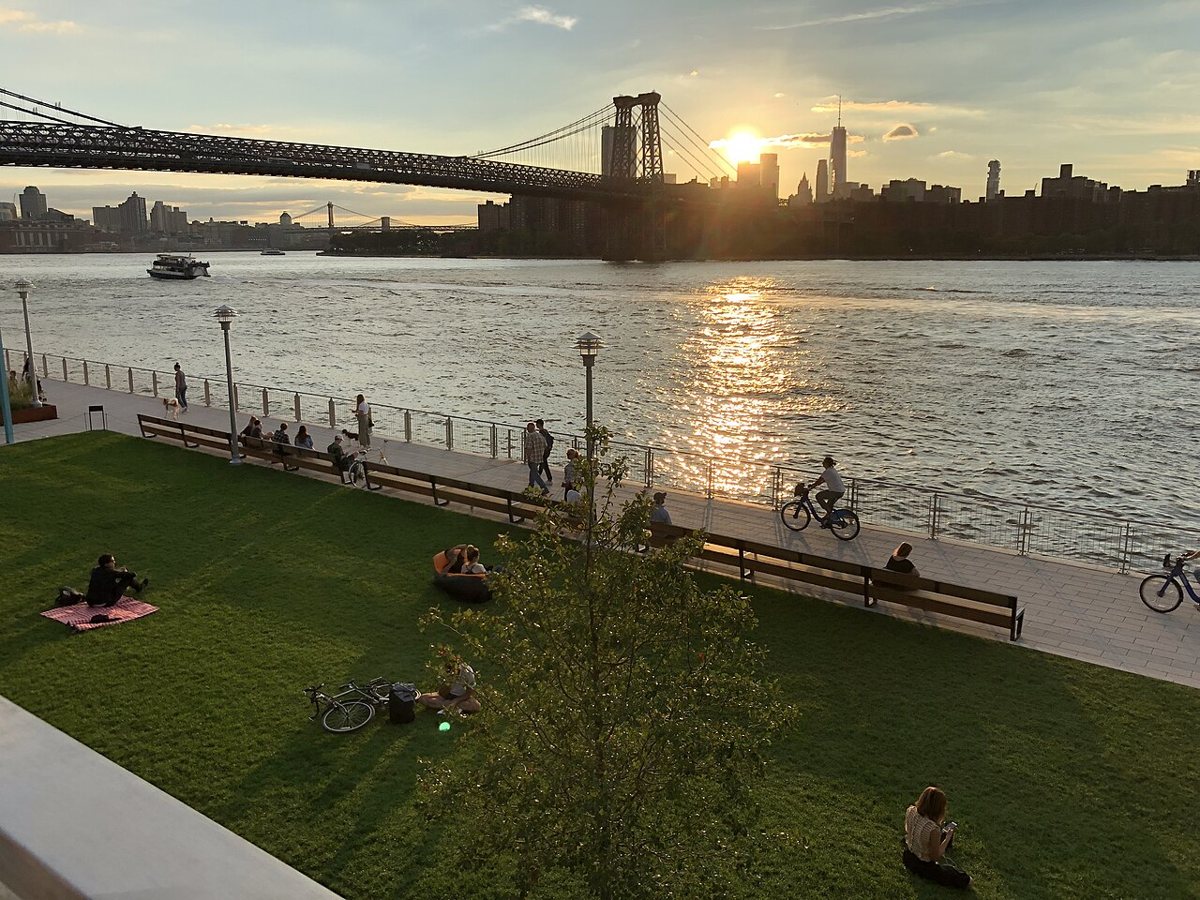
Domino Park sits on the site of the old Domino Sugar Refinery, and the design didn't try to hide that history so much as build around it. Rusted machinery from the old refinery is preserved along the raised walkway like sculpture, the refinery building itself looms at one end, gutted and being turned into offices, and in between there's a long waterfront promenade, a massive climbing structure for kids, a dog run, bocce courts, and grass that fills in fast on any warm weekend. The view from the walkway, straight across the river at the Williamsburg and Manhattan bridges and the Lower East Side skyline behind them, is the kind of thing that makes you stop walking. It's free, it's open late, and it's the single best answer to what to do in Williamsburg if you've only got an hour.

The Williamsburg Bridge
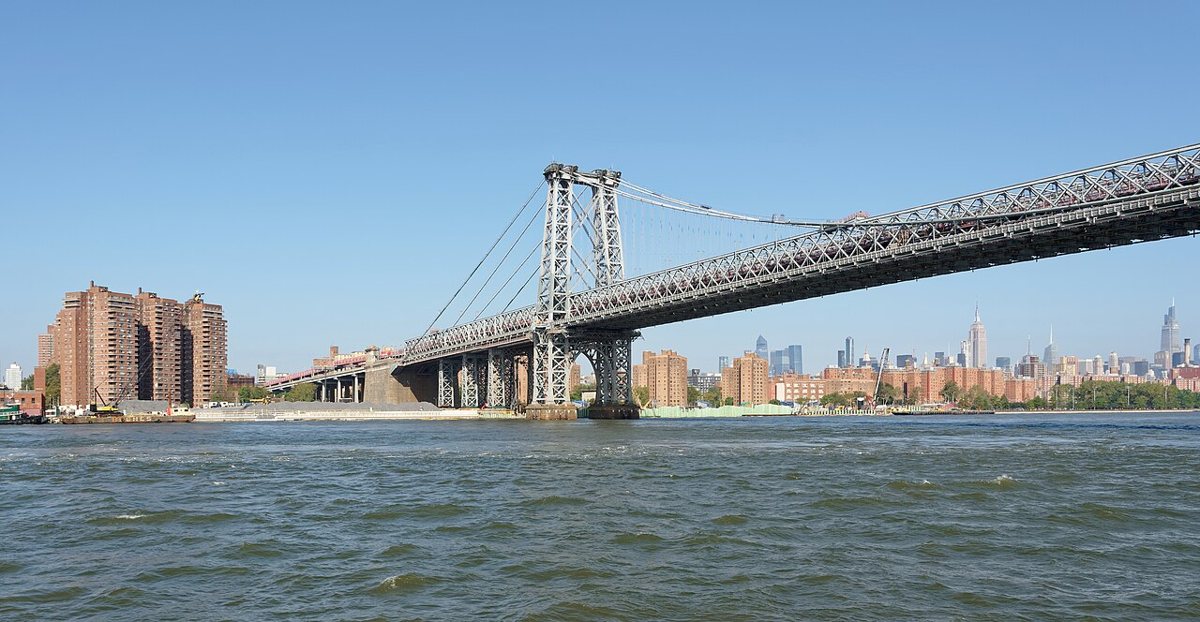
The bridge itself is worth treating as a destination, not just infrastructure. Walk or bike the pedestrian path and you get one of the great unheralded views in the city, the kind that doesn't show up on every tourist list because it requires actual physical effort to see it. From the Brooklyn side, the entry point near Bedford Avenue and South 5th Street puts you on a path that climbs over the East River toward the Lower East Side, cars and the J/M/Z train running below and beside you the whole way. It's a workingman's bridge, less photographed than the Brooklyn Bridge, which is exactly why it's better if you actually want to feel like you're crossing the river instead of posing on it.

East River State Park
A little further north along the water, East River State Park (officially renamed for Marsha P. Johnson, the activist who spent much of her life in the neighborhood) is the quieter, grassier cousin to Domino Park. Less built-out, more open lawn, and a straight-on view of the Manhattan skyline that draws sunset crowds every clear evening from spring through fall. On weekends in the warmer months, this is also where you'll find Smorgasburg, but even on an ordinary weekday afternoon it's worth the walk up from Bedford just to sit on the grass with the water in front of you and the old rail infrastructure at your back.

Smorgasburg
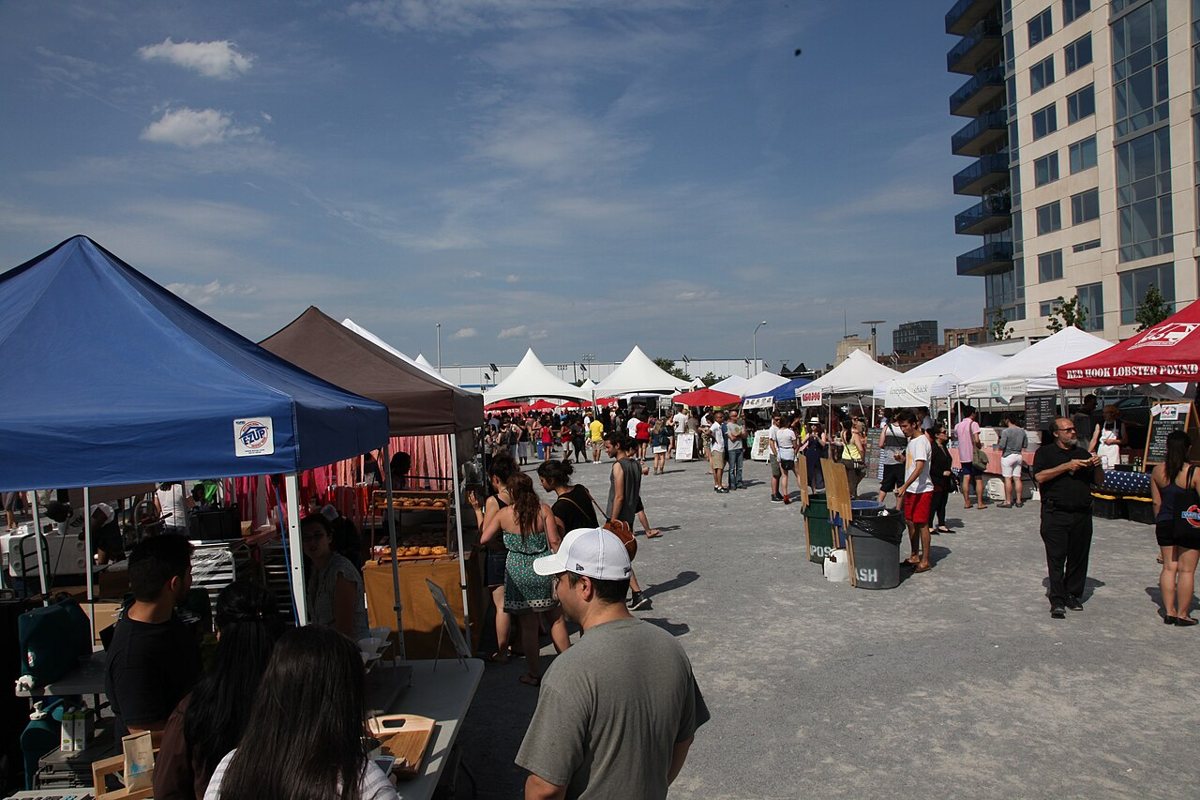
Smorgasburg started in Williamsburg and it's still the flagship location, an open-air food market that turns a stretch of the park into dozens of vendor stalls slinging everything from ramen burgers to Filipino barbecue to some dessert nobody's tried before. It runs seasonally on weekends in the warmer months, so check the current schedule before you plan a trip around it, since it goes dark in the colder months and shifts locations depending on the year. The crowds are real, the lines are real, and the smart move is to go hungry, share plates with whoever you're with, and treat it as a tasting menu rather than a sit-down meal.

The East River Ferry
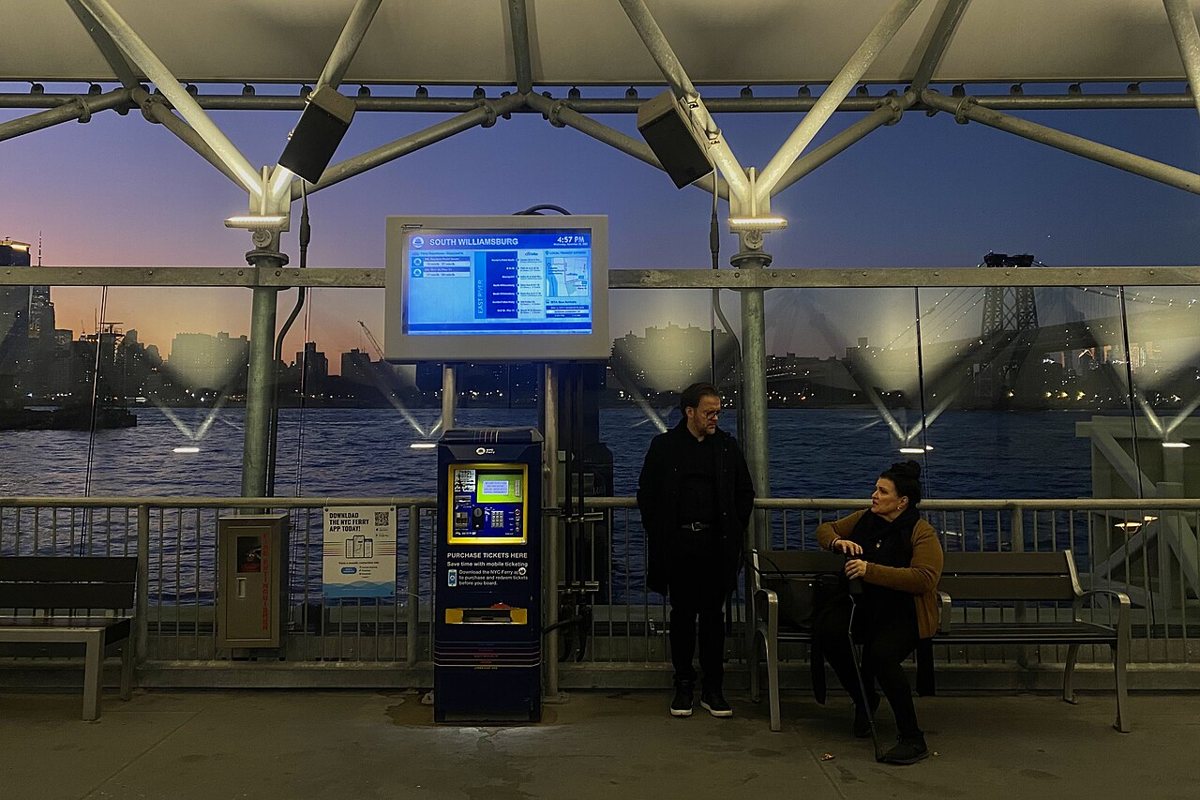
Getting to the waterfront by boat is one of the underrated moves in the whole borough. The East River Ferry stops right at the Williamsburg waterfront, a short walk from both Domino Park and East River State Park, and connects out to Manhattan's East Side, DUMBO, and other Brooklyn waterfront neighborhoods. It costs the same as a subway ride and gives you a skyline view the train never will. Locals use it as a genuine commuting option, not just a tourist novelty, which tells you something about how normal it's become to think of the waterfront as a transit corridor rather than just a park.

The South Side, or Southside
Here's where a lot of things to do in Williamsburg lists go thin, and it's a mistake. The South Side, or Southside as it's called by people who've lived there a while, is the neighborhood's other half, a historically Puerto Rican and Dominican enclave sometimes referred to by its older name, Los Sures, that predates the loft conversions by generations and hasn't disappeared under them. The blocks south of Grand Street carry a different texture entirely: bodegas with hand-painted signs, botanicas, Spanish spoken as often as English, church steeples instead of exposed brick. It's still residential in a way the North Side largely isn't anymore, and it's worth walking through with the understanding that you're a visitor in someone's neighborhood, not a theme park. Community murals along Grand Street and the blocks toward the water commemorate the organizing that kept Los Sures from being cleared out entirely during the city's roughest decades, when landlords were burning buildings for insurance money and the neighborhood fought back with tenant organizing that became a national model. That history matters here in a way that doesn't show up on a map, and it's part of why longtime residents get prickly when the whole neighborhood gets reduced to whatever opened on Bedford Avenue last year.
Peter Luger Steak House
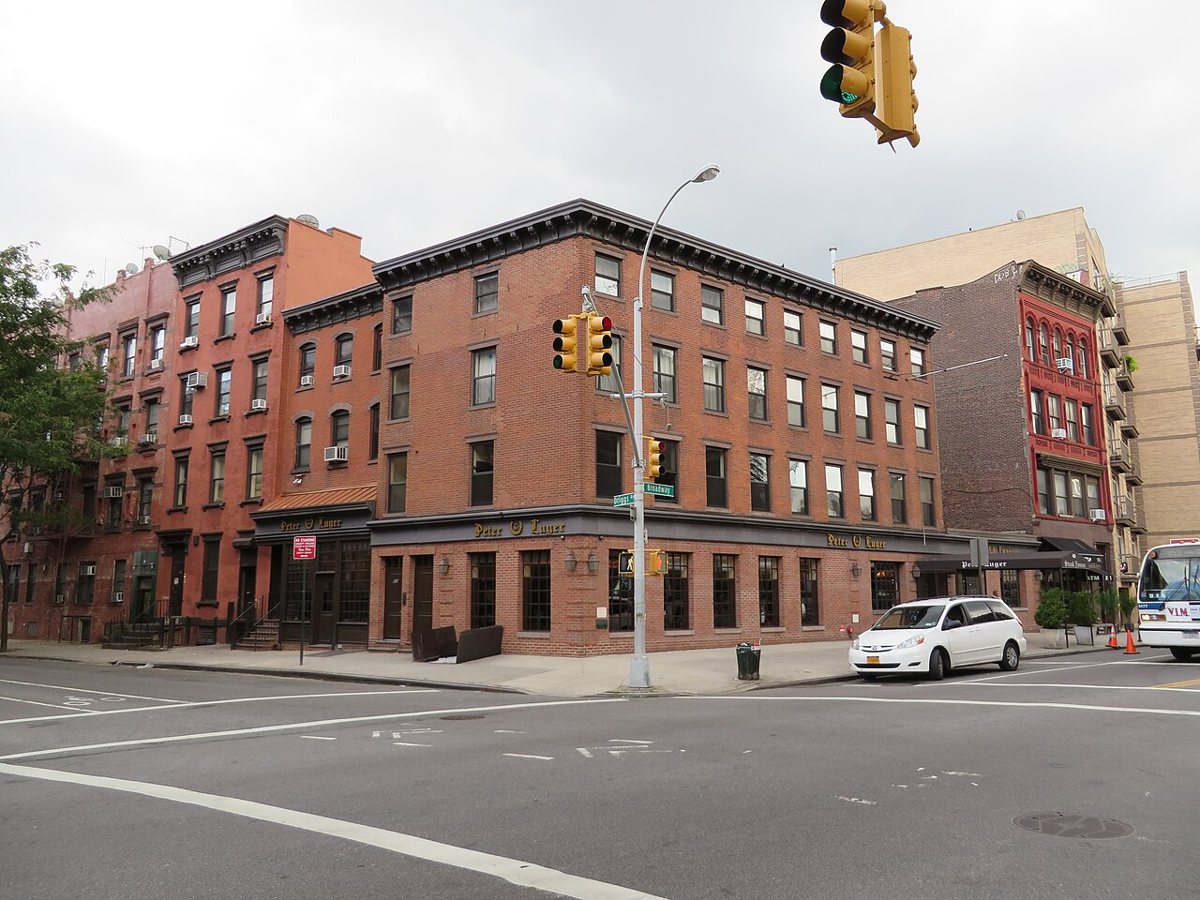
Peter Luger has operated on the same Southside corner since the 1880s, older than the bridge, older than most of what people think of as old Williamsburg, and it stays among the most argued-about steakhouses in the country. The room hasn't chased any trend; the beer is served in the same style it's always been, the porterhouse comes without much ceremony, and the waiters have opinions about how you should order. Reservations go fast and it's not a cheap night out, but it's a genuine piece of the neighborhood's history that predates every wine bar within ten blocks, and it deserves to be mentioned in the same breath as the waterfront and Bedford Avenue when people talk about what makes this neighborhood what it is.

The North Side
North of Grand Street and running up toward Greenpoint, the North Side is where the neighborhood's reputation as a nightlife and arts destination was built, starting in the warehouse-conversion years and never fully letting go of that identity even as the buildings got nicer and the rents got much less punk. Artists moved into the old factory floors along Kent and Wythe Avenues in the '80s and '90s because nobody else wanted the space, and that first wave of galleries and studios is the reason the neighborhood has any claim to an arts identity at all, even now that most of those same buildings hold condos with river views instead of painters.
McCarren Park
McCarren Park sits at the border of Williamsburg and Greenpoint and functions as the North Side's actual backyard, the kind of park where you'll find a softball league, a farmers market, a running track, and half the neighborhood's dogs on any given Saturday. The old public pool, a WPA-era structure that sat closed for decades before reopening, draws crowds all summer. It's a working park in the truest sense, not manicured for photos the way the waterfront parks are, and that's exactly its appeal.
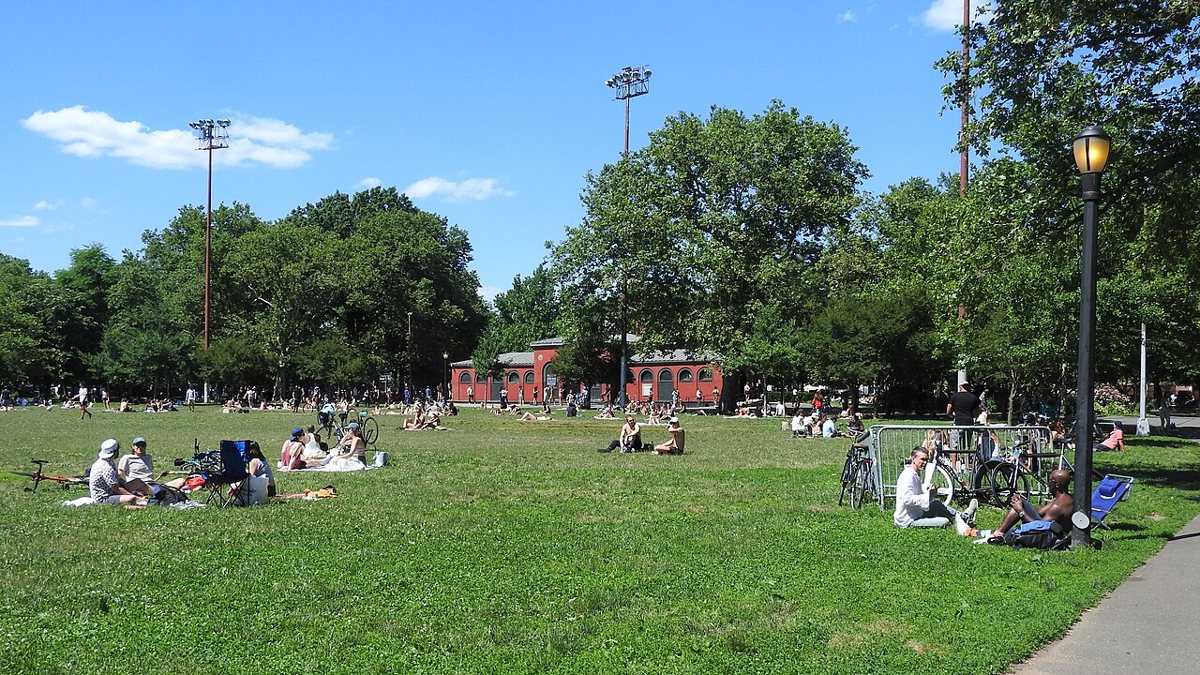

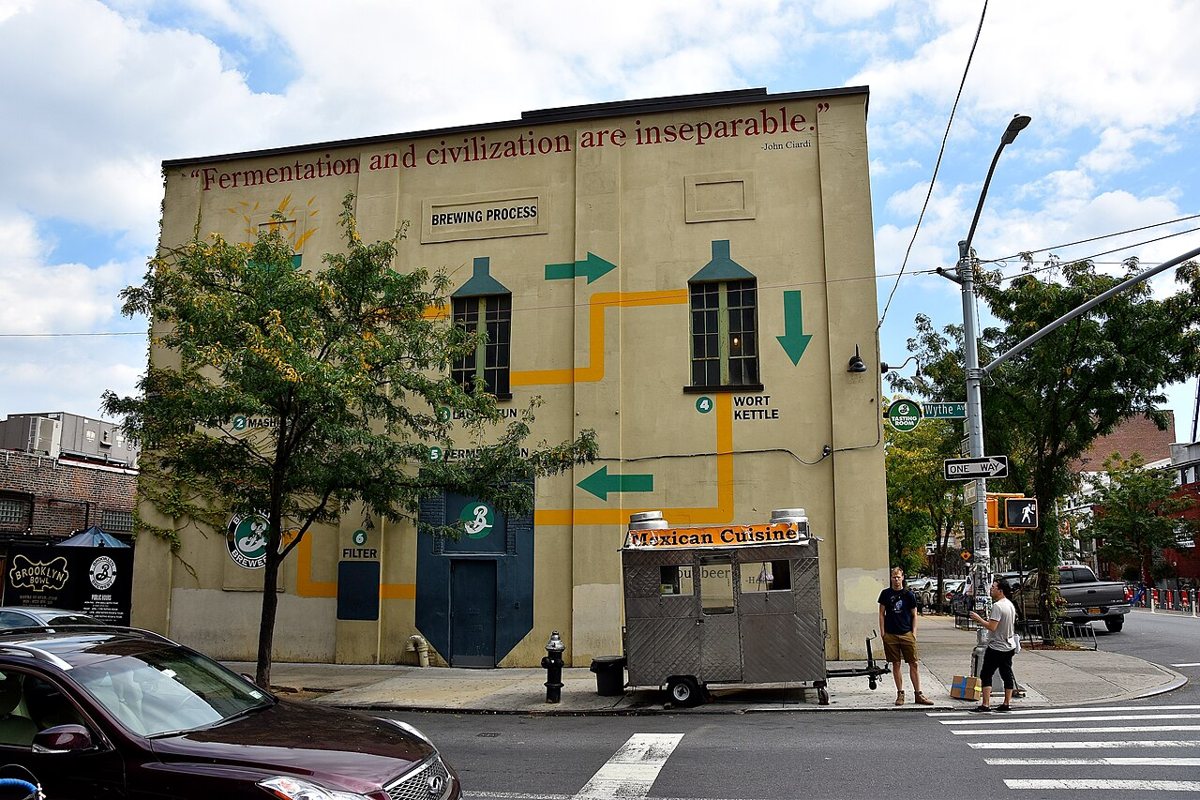
Brooklyn Brewery
Brooklyn Brewery has been on North 11th Street since the '90s, well before the neighborhood's reputation caught up to it, and the tasting room still functions as a genuine community gathering spot rather than a tourist trap that happens to sell beer. Tours run through the brewing operation, but even without one, the taproom on a Friday night is as good a cross-section of the neighborhood as you'll find anywhere, longtime residents next to recent transplants next to people who came just for the beer.

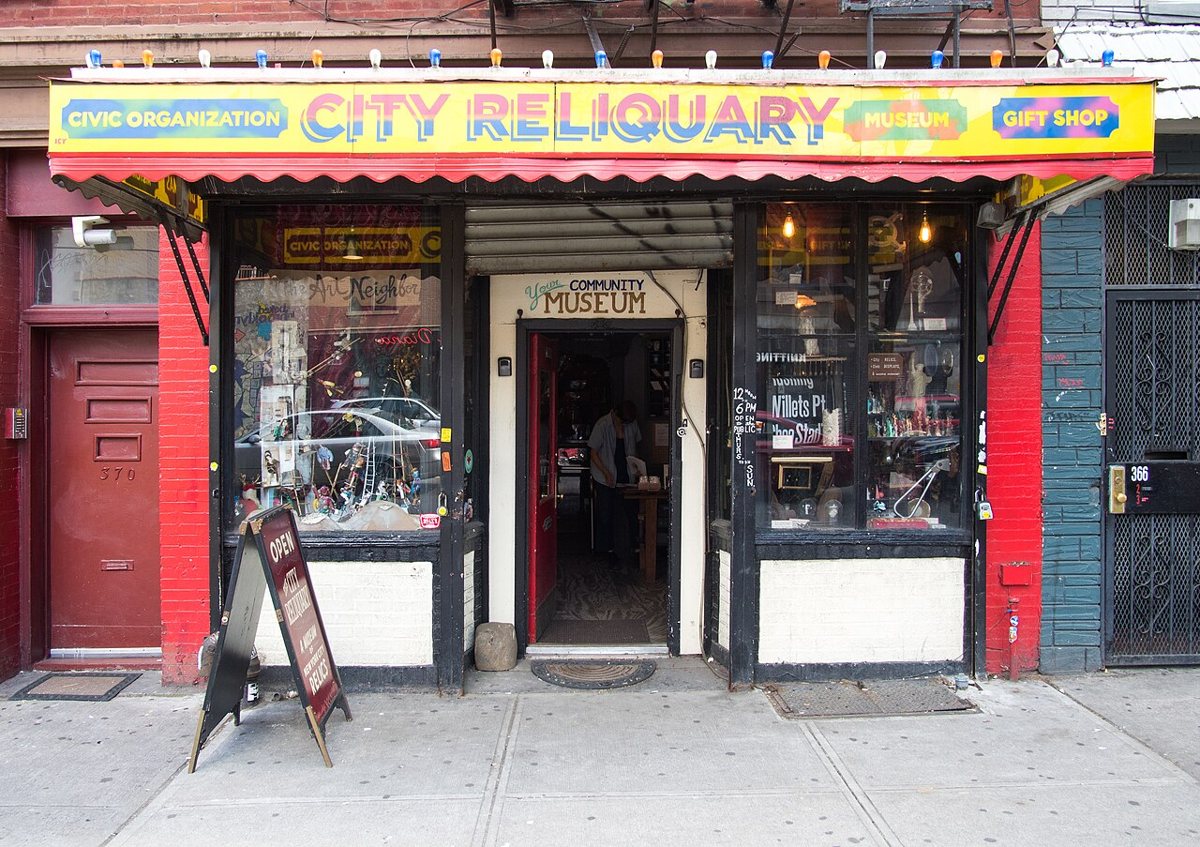
City Reliquary
The City Reliquary is a tiny, strange, genuinely wonderful museum on Metropolitan Avenue devoted to New York ephemera, subway tokens, seltzer bottles, postcards, and other detritus of the city's own history, assembled by people who clearly love this place with an intensity that borders on obsession. It started as a storefront window display and grew into an actual nonprofit museum without losing that homemade quality. It's one of the few things to do in Williamsburg that has nothing to do with food, drink, or nightlife, and it's worth the twenty minutes even if museums aren't usually your thing.

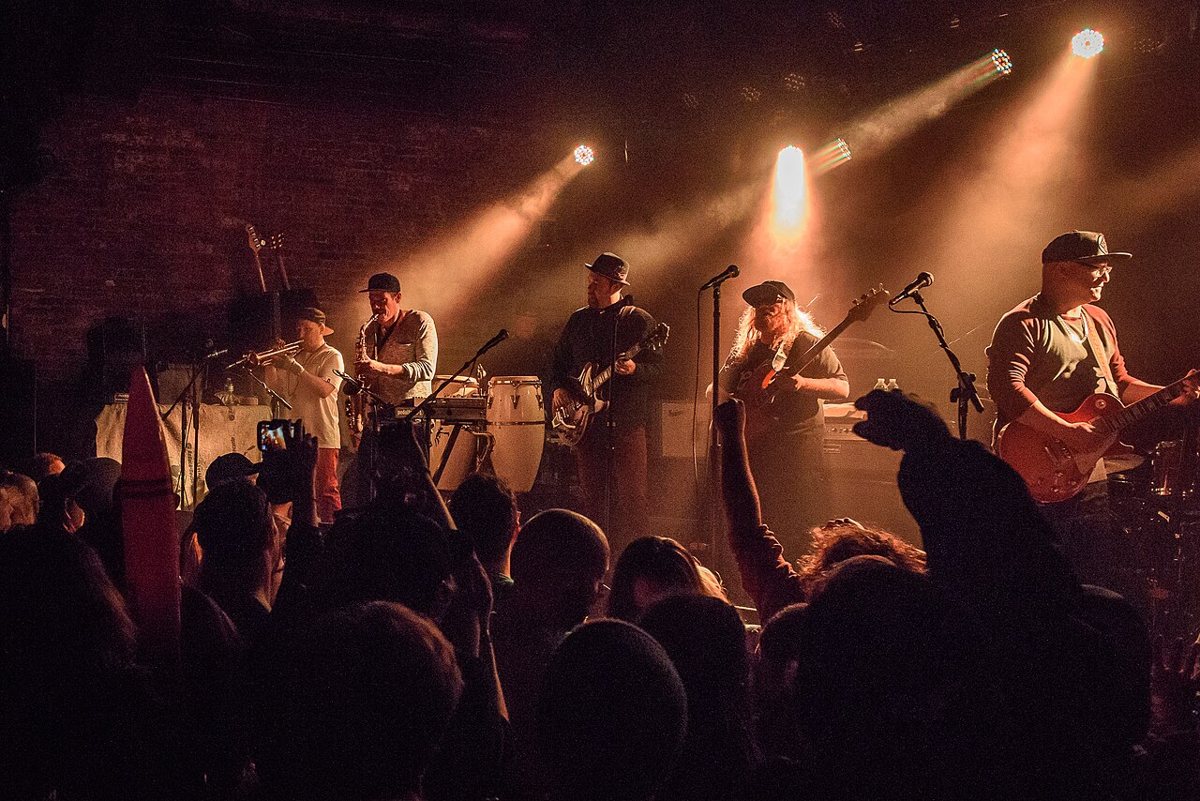
Under the Bridge and Into the Night
Once the sun goes down, the neighborhood's warehouse-turned-venue history takes over. The stretch under and around the Williamsburg Bridge and back toward the waterfront holds a cluster of the city's most consistent nightlife, in buildings that used to make things other than noise.
Brooklyn Bowl
Brooklyn Bowl combines a full concert venue, a bowling alley, and a fried chicken kitchen inside a cavernous former ironworks building near the waterfront, and somehow the combination works better than it has any right to. You can catch a national touring act and bowl a game in the same building on the same night, which is as good a summary of Williamsburg's whole personality as anything else in the neighborhood: serious culture and total absurdity sharing a floor plan.

The rest of the after-dark scene is dense enough that it deserves its own map. Natural wine bars have colonized a good chunk of the side streets off Bedford and Grand, tiny rooms with a dozen seats and a chalkboard list that changes weekly, pouring the kind of low-intervention bottles that would've been unheard of on these same blocks twenty years ago. Warehouse-scale dance venues under and near the bridge run until the trains start again on weekend mornings, carrying forward the same after-hours instinct that defined the neighborhood's earliest club years, just with better sound systems now. Rooftop bars along Kent Avenue turn the skyline view into a whole business model, charging for the same vantage point you can get for free two blocks over at the water's edge, which tells you something about what you're actually paying for up there. For a deeper breakdown of where to actually drink, Williamsburg's bar scene gets its own guide, because trying to cram it into a block-by-block walk does it a disservice.
Getting There, Timing It Right, and What's Actually Free
The L train to Bedford Av is still the fastest way in from Manhattan, dropping you directly into the commercial heart of the neighborhood, though the J/M/Z line to Marcy Av is the better call if your destination is the South Side or Peter Luger, since it lands closer to those blocks and skips the Bedford Avenue crowds entirely. The G train connects from Greenpoint and other parts of Brooklyn without ever touching Manhattan, which locals appreciate more than visitors usually realize. The East River Ferry is the move if you're coming from the Manhattan waterfront or DUMBO and want the skyline view built into your commute rather than treated as a side trip.
Timing matters more here than in most neighborhoods. Weekday mornings and early afternoons are the closest you'll get to seeing Williamsburg move at its own pace, before the weekend crowds arrive. Saturday and Sunday afternoons are when Smorgasburg runs in the warmer months and when the waterfront parks fill in completely, which is either exactly what you want or exactly what you should avoid, depending on your tolerance for crowds. Evenings shift the center of gravity from the waterfront to Bedford Avenue and the bars, and the neighborhood stays loud well past midnight on weekends. Fall and spring are the sweet spot for walking the whole route described here in one go, since summer sun on the waterfront's concrete and open lawns can wear you down by midafternoon, and winter cuts the outdoor stretch of any visit shorter than you'd like. Whatever season you land in, layer plans around the water: check what the light's doing before you commit to a direction, and let the river decide the order you see everything else in.
Most of the best things here cost nothing. The waterfront parks, the bridge walk, the view from either one at sunset, wandering Bedford Avenue and the Southside blocks, all of it is free. The paid stops, Peter Luger, Brooklyn Bowl tickets, brewery tours, are worth budgeting for, but you could spend a full day in Williamsburg and not open your wallet beyond a coffee and a subway swipe.
The Bottom Line
Williamsburg gets accused, fairly often and not always unfairly, of being a shorthand for everything people think went wrong with Brooklyn: the rents, the strollers, the wine bars where there used to be machine shops. Some of that criticism lands. But walk it block by block instead of treating it as one flattened idea, and it holds more range than its reputation suggests, a working Southside that never left, a waterfront that got returned to the public instead of walled off for luxury towers alone, a North Side still capable of putting on a real show at ten o'clock on a Tuesday. It rewards the kind of visit where you get off at Bedford Av, walk until your feet hurt, and let the neighborhood argue with itself in front of you. That argument, more than any single bar or view, is the actual thing to do here. And if Williamsburg is just your first stop, the rest of the city keeps making its own case just as hard; there's a whole guide to things to do across New York for when you're ready to keep going.