Best Mexican Restaurants in New York You'll Actually Love
The city's best Mexican food was never on a Manhattan tasting menu. It's on Fifth Avenue in Sunset Park, on 116th Street in El Barrio, and out under the 7 train in Jackson Heights and Corona.
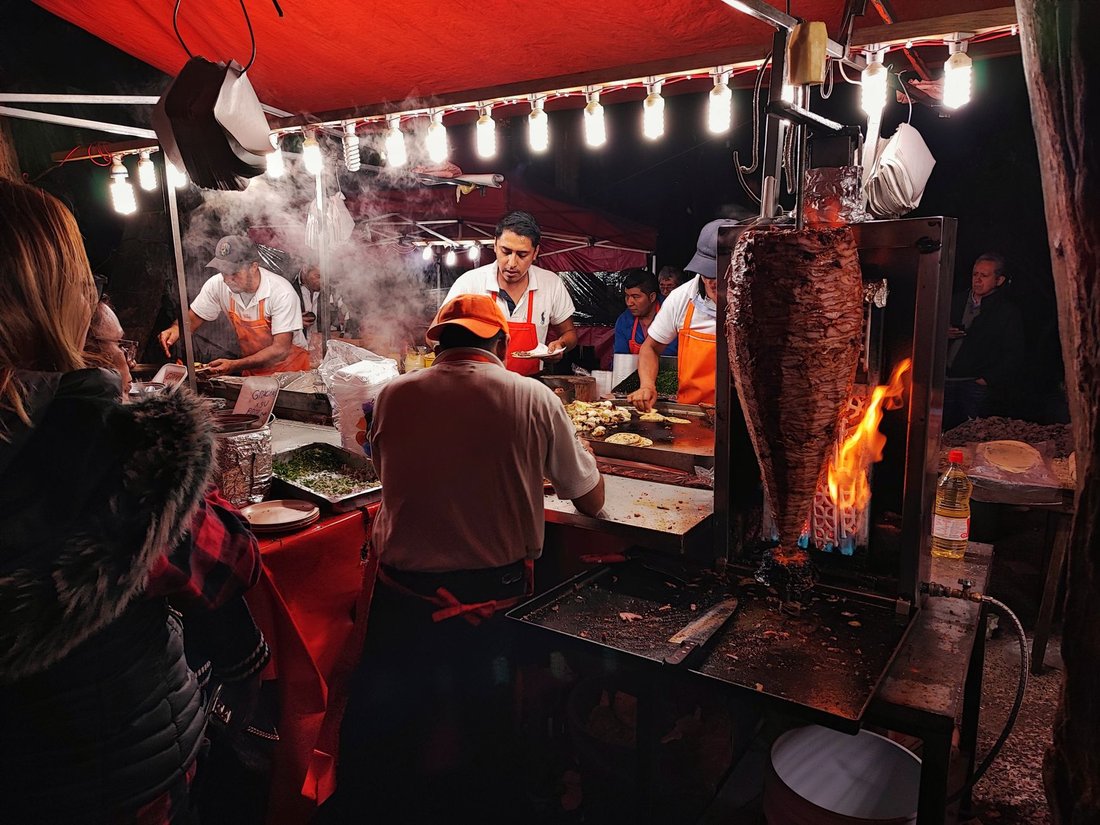
Fifth Avenue in Sunset Park runs for two miles past taquerias and panaderias, past grocery stores stacked with dried chiles you won't find north of Prospect Park. It's where the search for the best mexican restaurants in new york actually starts, not with a roundup of downtown spots but with the R train and a walk into Brooklyn's biggest Mexican community. The same holds a few miles north in East Harlem, where Mexican families have anchored blocks around 116th Street for decades, and out in Corona and Jackson Heights, where cooking from Guerrero and Puebla shows up on menus the way a bacon-egg-and-cheese shows up at a bodega counter: constant, unremarkable to locals, and completely correct.
None of this is new. Mexican immigration to New York accelerated through the 1990s and 2000s, concentrated in exactly these three pockets, and the food followed the people rather than the tourists. That's the opposite of how most guides to the city work. Manhattan gets the headlines. The outer-borough neighborhoods get the actual cooking.
Where the best mexican restaurants in new york actually cluster
Start with geography, because it explains everything else. Sunset Park's Mexican corridor runs along Fifth Avenue roughly from the low 40s down past 60th Street, dense with taquerias and tortillerias alongside steam-table spots serving Puebla-style cooking to a neighborhood that's been building itself block by block since the late twentieth century. Order there and you'll taste the influence of central Mexico directly. Red and green salsas get built on dried chiles rather than fresh, tortillas come out of an in-house press, and the menu assumes you already know what you want.
East Harlem and El Barrio
East Harlem carries two food identities at once, Puerto Rican and Mexican, layered over decades. Mexican groceries and restaurants sit along Lexington and Third Avenue in the 100s and 110s, often modest storefronts with handwritten specials, and the cooking here leans toward the same Puebla and Guerrero traditions you'll find in Sunset Park, adapted to a different generation of regulars.
Jackson Heights and Corona, Queens
Jackson Heights is the most diverse zip code on earth, and its Mexican food sits shoulder to shoulder with Colombian, Ecuadorian, Tibetan, and South Asian kitchens under the 7 train where it rattles overhead. Corona, just south, has one of the city's oldest and largest Mexican populations, with Roosevelt Avenue functioning as an open-air food hall of carts and storefronts and stands that run late into the night. This is also where a paper plate of tacos from a cart tends to beat anything plated on white linen.
The regional styles worth knowing
Mexico is not one cuisine, and New York's Mexican restaurants reflect that. Most of the city's Mexican population traces back to Puebla, so Poblano cooking, mole poblano, chiles en nogada in season, tinga, shows up more than any other regional style, often at family-run spots that don't advertise it as a specialty because to them it's just home cooking.
Oaxacan cooking has carved out its own following, built around the state's seven moles, tlayudas (the large, crisp-edged tortilla folded over beans, cheese, and meat), and mezcal poured with an orange slice dusted in ground chile and worm salt. Look for it in pockets of Brooklyn and Queens where Oaxacan families have opened their own spots. The flavors run earthier and more complex than the red-sauce shorthand most people associate with Mexican food.
Guerrero's coastal and highland traditions show up too, especially around Jackson Heights and Corona, with pozole and barbacoa steamed in maguey leaves, plus seafood cocktails built for humid summer nights. Treat regional labels as a genuine guide, not decoration. A menu that names its state of origin is usually a menu worth trusting.
What to order
- Tacos al pastor, pork marinated in dried chiles and pineapple, shaved off a vertical spit and finished with a quick char
- Barbacoa, meat steamed or pit-cooked until it falls apart, traditionally a weekend dish and worth seeking out specifically on Saturdays and Sundays
- Tlayudas, the Oaxacan answer to a tostada, big enough to share, built for slow eating with mezcal
- Huaraches, an oblong masa base shaped like a sandal, griddled, then topped with beans, salsa, cheese, and your choice of meat
- Tacos de guisado, stewed fillings like rajas con crema, chicharrón en salsa verde, or picadillo, ladled onto fresh tortillas at breakfast and lunch counters
How to spot the real thing
A few tells separate a serious kitchen from one coasting on margaritas and queso. A trompo spinning al pastor in the window or doorway is the clearest signal in the city; that setup takes daily upkeep and nobody bothers unless the meat matters. Handmade tortillas, thicker and slightly irregular, beat the machine-pressed kind every time, and a salsa bar with more than red and green, say a smoky chile de árbol next to something built on roasted chiles, usually means the kitchen is cooking for people who grew up eating this food, not for visitors.
Menus printed first in Spanish, with English as an afterthought or absent entirely, are a good sign rather than an obstacle. So is a short menu. A restaurant doing twelve regional specialties well beats one doing eighty adequately, and the mole recipes passed down through a family rarely survive being stretched across a menu built to please everyone.
The takeaway is simple: stop looking for New York's Mexican food in the neighborhoods built for tourists, and start looking where the people who brought the recipes actually settled. Sunset Park, East Harlem, and Jackson Heights and Corona aren't secondary options to a Manhattan scene. They're the scene. Get on the train, get off in one of those three places, and order the thing with the longest line in front of it.