Best Italian in Williamsburg Worth the Trip
Williamsburg's Italian scene splits between red-sauce holdovers, ambitious new pasta rooms, and waterfront spots selling a view as much as a plate: here is how to tell which is which.
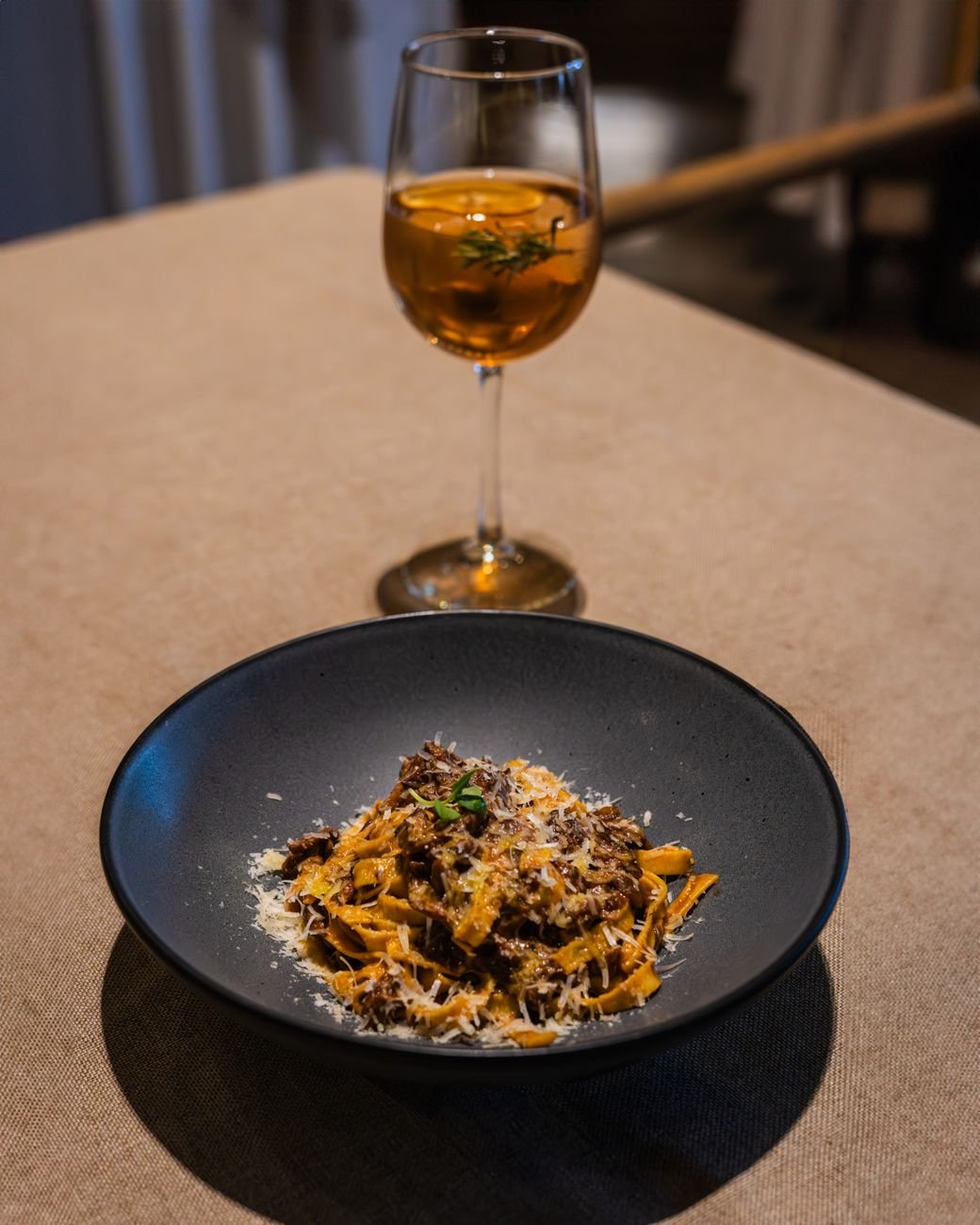
The L train dumps you onto Bedford Avenue and the first restaurant window you pass will be trying to sell you burrata under Edison bulbs for the price of a movie ticket. That's the trap right out of the gate. Finding the best Italian in Williamsburg means learning to tell the kitchens cooking for the neighborhood from the ones cooking for the photo, and the two lists barely overlap. Fifteen years ago the Southside still had red-sauce spots run by families who'd been there since before the L got famous. Some of that is gone. What replaced it is pricier, more polished, and in the better cases still cooking real regional Italian food instead of a version of it designed for a menu shot.
Finding the Best Italian in Williamsburg, Block by Block
Williamsburg breaks into at least three separate Italian food scenes, and they don't talk to each other much. The Southside, south of Grand Street toward the bridge, still carries the old Italian and Puerto Rican layering that predates the neighborhood's rebrand. A few kitchens there cook the way a grandmother would recognize: garlic actually browned instead of scorched, sauce that sat on the stove all afternoon, portions built for a family table rather than a tasting menu. It isn't precious about presentation, and the check usually reflects that.
North Bedford, the stretch most visitors picture when they think of the neighborhood, is where investment landed first and where it shows most clearly. Pasta rooms here lean into fresh, hand-rolled shapes, wood-fired ovens, and wine lists heavy on natural and low-intervention bottles. The cooking can be genuinely excellent. The room is also doing real work on you: exposed brick, an open kitchen, a hostess stand built for a line. That's not a knock. It means you're paying for atmosphere on top of the plate.
The waterfront, from the old Domino site up past the former sugar refinery toward Kent Avenue, is the newest layer. These rooms are built around a skyline view and a long wait, and Italian shows up here mostly as a genre borrowed for a bigger hospitality project. Some of it holds up on the food alone. A lot of it is scenery with a menu attached, and the difference is usually obvious by the second bite.
How to Tell Serious From Scene-y
A few honest tells separate a kitchen that means it from one riding the neighborhood's reputation. None of them require insider knowledge, just paying attention before you sit down.
- A pasta menu that shifts with what's actually in season, not a laminated card that hasn't changed in years
- Bread and olive oil treated as real components of the meal, since a kitchen that cares about the cheap stuff usually cares about the expensive stuff too
- A wine list with specific, named Italian regions rather than a vague nod to natural wine as a marketing category
- Servers who can describe a dish's origin and technique without reciting a script
Reservation difficulty is a weak signal on its own. Plenty of scene-y rooms book up weeks out because of the view, not the cooking. Plenty of the best red-sauce spots on the Southside take walk-ins on a Tuesday because they've never needed a hype cycle to stay full.
What to Order
Fresh, hand-cut pasta is where the newer Bedford Avenue rooms tend to earn their prices, especially anything filled, since that's the labor you can't fake. Wood-fired cooking, whether it's a pizza or a whole fish, tells you fast whether a kitchen actually knows its oven or just installed one because the last three openings had them. Order something regional and specific if it's on the menu, a Roman-style dish, a Ligurian sauce, a Sicilian preparation, rather than the generic version that shows up on every checklist menu in the city. That specificity is usually the clearest sign a chef is cooking from memory or training rather than trend.
On the Southside, order what the room has clearly made a thousand times: a braised meat sauce, a simple seafood pasta, something that rewards a slow afternoon on the stove rather than a quick sauté for the pass. These places rarely reinvent anything and that's the point.
Reservations and Timing
North Bedford and the waterfront rooms book out, particularly Thursday through Saturday, and same-day tables mostly exist at the bar or before seven. Go at 5:30 or after 9:30 if you want a shot without planning two weeks ahead. Southside spots are looser about all of this. Many still run first-come seating and stay calmer on weeknights, which also happens to be when the kitchen has more room to cook a dish properly instead of firing forty tickets at once.
Sunday evening is its own category everywhere in the neighborhood, slower, more local, closer to what these blocks were like before the crowds discovered them. If you want a read on a restaurant's actual character rather than its weekend performance, that's the night to go.
None of this is really about picking a winner. Williamsburg's Italian food is wide enough that the red-sauce room, the pasta specialist, and the waterfront splurge can all be right depending on what you're after that night. Walk a few blocks past Bedford Avenue before deciding, check whether the wine list names actual regions, and order the dish that sounds most specific rather than the safest one. Afterward, if you want to keep the night going, our guide to the city's newer openings and the wider New York Italian map both point past the neighborhood, since the best meal isn't always the closest one.