Best Italian in the West Village You'll Actually Love
The West Village has been feeding Italophiles for over a century. Here's how to find the real thing, not the tourist version.
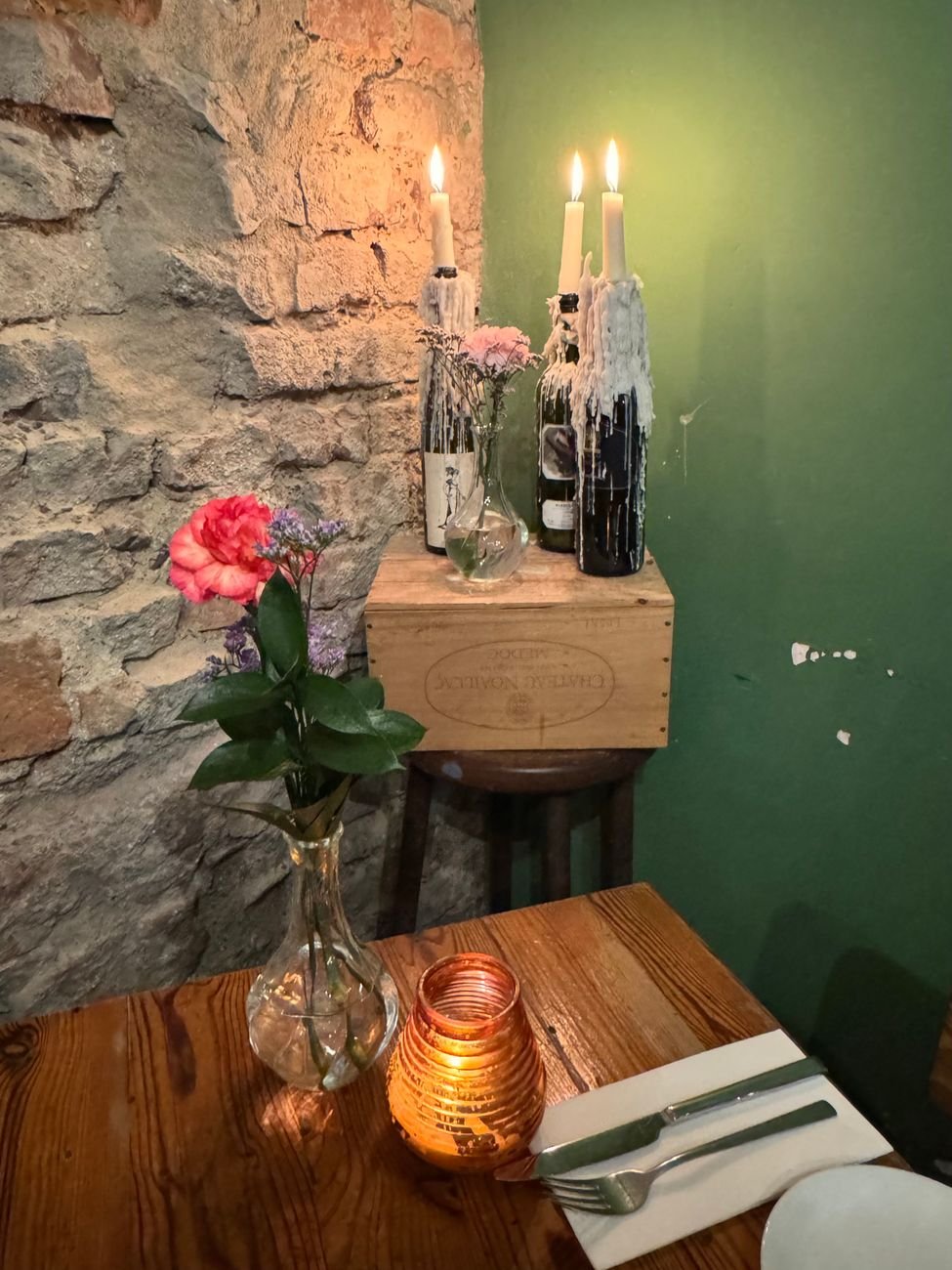
The blocks west of Seventh Avenue South don't follow the grid, which is part of why finding the best italian in the west village rewards people who slow down and walk. The streets angle, dead-end, and double back on themselves, a cartographic accident that has quietly kept the neighborhood from becoming fully legible to outsiders. Grove Street bends into Commerce. Barrow crosses Bedford at an odd slant. The brownstones here are Federal-era and narrow, and on a weeknight in late spring the light hits them in a way that makes the whole place feel like it's from a different century. This is not only an accident of aesthetics. The West Village has actual history layered into its blocks, including a long Italian-American story.
That history is not decorative. Waves of Italian immigrants settled lower Manhattan and Greenwich Village starting in the late nineteenth century, and while the neighborhood has gentrified dramatically since then, the culinary legacy held. Red-sauce culture took root here. Old houses that have run for decades still exist alongside newer pasta-focused spots that opened more recently. The range is real, and navigating it means knowing what you're actually looking for.
How to Find the Best Italian in the West Village
The first thing to understand is that price and white tablecloths do not equal quality, and neither does a long line on a Saturday. The West Village draws a lot of foot traffic from people who have come specifically to walk the pretty streets and eat somewhere that feels like an occasion. It creates a market for restaurants good at looking like the right answer: candlelit, ivy on the facade, menu in a font that implies tradition. Some of those places are genuinely excellent. Others are coasting on atmosphere.
The tell is usually in the pasta. A kitchen that takes Italian food seriously will make pasta in-house, and you can often ask. A good server will know immediately and answer without consulting anyone. Dried pasta isn't a sin, but it should be priced accordingly. If a dish of spaghetti with a simple tomato sauce costs what a composed meat dish would cost at a serious restaurant, the margin is going somewhere that isn't your plate.
The other tell is menu length. Old-school red-sauce houses often run long menus, with veal, chicken, fish, a dozen pasta options, and antipasto platters, and the best of them have been doing this long enough that the kitchen can actually execute all of it. Newer trattorias and pasta-focused rooms tend to run shorter, seasonal menus. Neither format is inherently better. But a short menu with three pasta dishes, all made fresh, is a different promise than a long menu that includes everything from clams casino to tiramisu. Know which experience you want before you sit down.
Old Red-Sauce vs. Modern Trattoria
The West Village has both registers, and they are genuinely different meals. The old red-sauce house is an experience of abundance: bread on the table immediately, a house Chianti that costs almost nothing, portions large enough to take home. These places tend to be louder and less precious. The cooking is not refined in a culinary-school sense; it is refined in the sense of a recipe made thousands of times by people who know exactly what they're doing. Braised meats, long-cooked Sunday sauce, shrimp scampi done correctly. The pleasure is in the lack of fuss.
The modern trattoria, by contrast, will probably have a natural-wine list. The pastas will be described in terms of their flour type or regional origin. The room will be smaller and quieter. This is not a worse meal, and it can be a significantly better one, but it is a different transaction. You are paying for sourcing and technique as much as for history. If that's what you want, these rooms deliver. If you want the red-sauce communion, they will feel slightly beside the point.
The West Village has enough of both that you don't have to compromise. The neighborhood also benefits from its connection to the serious slice culture just a few blocks over, which means even the less formal Italian spots tend to understand what good dough should taste like.
When to Go, and Where to Sit
Tuesday or Wednesday, before 7 p.m. This is the answer for almost every serious restaurant in the neighborhood, and it applies especially to Italian places that don't take reservations or hold a few walk-in seats at the bar. Saturday at 8 is a siege. You will wait, and the energy in the room will be different: louder, more celebratory, less focused on what's actually in the food. Early on a weeknight, you get the kitchen at its most attentive and a better chance of a conversation with the server about what's actually good that night.
Sit at the bar if one exists. Bar seats at a good Italian restaurant give you a view of the room and a better shot at the kind of service where someone mentions that the gnocchi tonight is particularly right, or that the fish special came in that afternoon. That is useful information.
Walking the Side Streets
The better Italian spots in the West Village are rarely on the most obvious corners. They tend to sit on the side streets, the blocks that require you to actually know where you're going or to wander deliberately. That's an argument for arriving early and walking before you eat. The neighborhood between the Hudson River and Sixth Avenue, roughly between Christopher Street and Morton, contains some of the most pleasant pre-dinner walking in the city. You'll pass the kind of old butcher or specialty grocer that signals a block where people actually live and shop, which is itself a hint about where the serious eating tends to cluster.
Keep an eye out for the neighborhood's natural-wine scene as well, since several of the best Italian spots in the area are attached to serious wine programs, and the relationship between good Italian cooking and a thoughtful wine list is not incidental.
The West Village will not make finding great Italian effortless. The neighborhood is expensive, the tourist pressure is real, and some of the most prominent spots have gotten comfortable on reputation. But the bones are still there: the history, the density of serious kitchens, the streets that reward walking slowly. Go on a weeknight. Ask about the pasta. Take the side streets. The meal you're looking for is on one of them.